The Best Aquatic Fragrances of 2026: Beyond the Clichés of Sea Spray and Fresh Linen
Dihydromyrcenol gave Davidoff's 1988 Cool Water a cold marine quality that captured an idea of open water, then thirty years of imitation reduced the entire register to airport duty-free filler.
By The Fragrenza Team 4 min read
For at least two decades, aquatic fragrance was the category that serious fragrance enthusiasts learned to avoid. The genre that gave us Davidoff Cool Water in 1988 — a genuinely innovative composition that captured something real about the marine environment through then-novel synthetic aromatic technology — spent the following thirty years being imitated into meaninglessness. Sea spray, fresh linen, clean cotton, aquatic musk: these became the defining descriptors of the masculines that dominated department store shelves and airport duty-free counters, a register so relentlessly replicated that it ceased to communicate anything at all. In 2026, something important has changed.
The Rise and Fall of the Classic Aquatic
Cool Water's achievement in 1988 was genuine. The use of dihydromyrcenol — a synthetic molecule with a sharp, cold, marine-adjacent quality — alongside woody musks and lavender created an impression of open water that felt, in the context of its time, revelatory. The fragrance captured something that had not previously been captured: the freshness of being near the sea, without the salt, without the seaweed, without the biological complexity of an actual marine environment. It was a photograph of an idea of the ocean, and it was enormously influential.
What followed was the inevitable industrial exploitation of a successful formula. Throughout the 1990s and 2000s, fresh aquatic became the default template for mainstream masculine fragrance, the safe choice for brands that wanted to appeal to the broadest possible market without offending anyone. The result was a generation of scents that smelled interchangeable, that communicated nothing in particular about the person wearing them, and that gave the entire aquatic category a reputation for blandness that it is only now beginning to shed.
Water's True Olfactory Complexity
The irony of the traditional aquatic genre's blandness is that actual water — actual marine environments — smell extraordinarily complex and interesting. The shore at low tide carries mineral salinity and the brine of tidal pools, the dark iodine quality of kelp and bladderwrack, the clean coldness of deep water below the surface, the baked-salt quality of sun-warmed rock pools, the green freshness of coastal scrub and marram grass. Inland water has its own complexity: the mineral coldness of mountain springs, the green depth of lake water, the earthy richness of river beds after rain.
None of this complexity was captured by the synthetic freshness of the classic aquatic genre. The new aquatic school emerging in 2026 is attempting something more honest: fragrances that actually smell of water in all its registered nuance, not merely of a clean synthetic approximation of the concept. This has required both ingredient innovation — new molecules capable of capturing the mineral, algal, and kelp-derived facets of genuine marine environments — and a willingness on the part of perfumers to embrace complexity over easy pleasantness.
The New Aquatic School of 2026
The most exciting aquatic releases of this year share a commitment to what might be called olfactory realism — an attempt to capture the genuine sensory experience of water rather than an idealised synthetic substitute. The best masculine-oriented releases pair realistic marine mineral accords with driftwood and weathered timber, creating compositions that smell of a specific place — a harbour, a shoreline, a stone jetty — rather than the abstract concept of cleanliness.
Among the most significant developments is the growing use of algae-derived and seaweed-adjacent materials that had previously been considered too challenging for mainstream use. These ingredients introduce a depth and authenticity to aquatic compositions that no synthetic marine material has previously achieved. At lower concentrations, they read as a cool, almost salted mineral freshness. As they develop on skin, they contribute a subtle organic complexity that connects the fragrance to genuine maritime environments rather than approximations of them.
The combination of aquatic freshness with vetiver and stone accords has produced some of this year's most compelling releases. Vetiver's naturally smoky, earthy, almost mineral quality creates a counterpoint to marine freshness that is simultaneously grounding and unexpected — the smell of deep water rather than surface spray. Stone accords — cool, mineral, slightly damp — amplify the genuinely aquatic quality of these compositions without resorting to the synthetic sharpness of traditional marine molecules.
At Fragrenza, we have watched the aquatic category's rehabilitation with particular interest, because the potential of water as a fragrance inspiration has always been enormous — it was simply being squandered. The best aquatic fragrances of 2026 demonstrate what this family can achieve when it is approached with genuine creative ambition rather than formulation-by-committee. They smell of real places, real environments, real sensory experiences rather than the ghost of a marketing brief. That distinction makes them, finally, genuinely worth wearing.
Discover at Fragrenza
Fragrenza's aquatic selection represents the new wave of marine perfumery — compositions that treat water as a rich, complex sensory territory rather than a shorthand for clean simplicity.
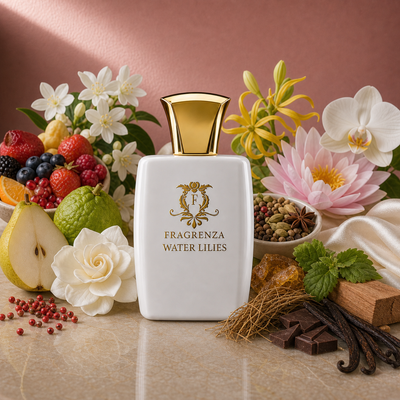
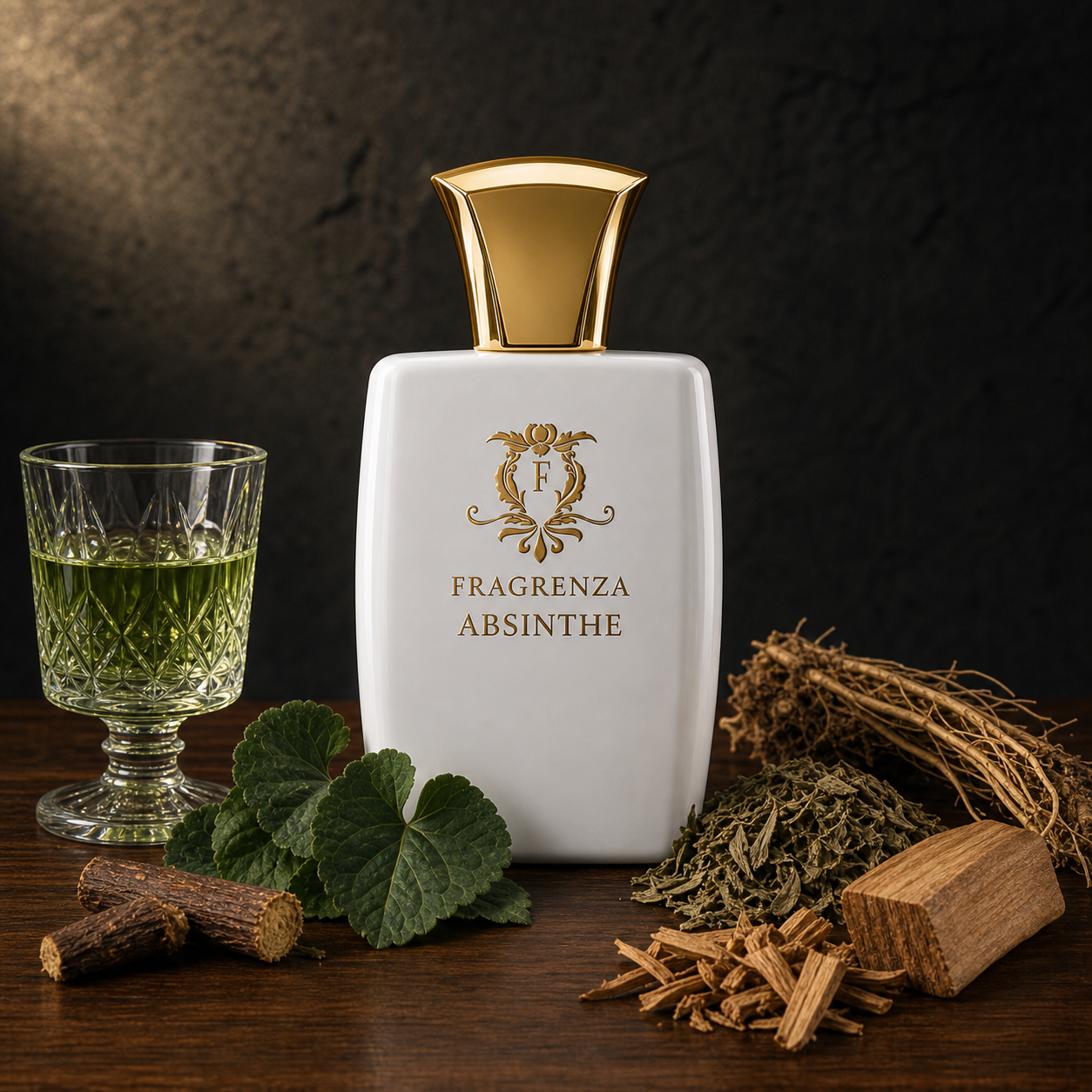
captures the fern-edged, mineral freshness of a rocky coastal shoreline with rare botanical specificity: green, briny, and quietly compelling. offers a softer, petal-infused aquatic warmth that evokes still water and dappled light rather than open sea. For something deeper and more mineral,