

Notes in Perfumery
Everything you’ve wanted to know about the individual notes that make up modern perfumery, explained one ingredient at a time. What oud actually smells like and why it became a luxury obsession. Why orris butter costs more than gold. The difference between Sambac and Grandiflorum jasmine. How synthetic musks rebuilt the clean-laundry register. Use these as the field guide that turns sampling from guesswork into a vocabulary — once you can name what you’re smelling, you choose better bottles.

What Does Elemi Smell Like?
Discover elemi in perfumery — its fresh, spicy, slightly lemony resin profile, key aroma molecules, its role in incense and woody compositions, and famous fragrances that use it.

What Does Incense Smell Like?
The 2026 guide to incense in perfumery — the natural resins (frankincense, myrrh, opoponax, benzoin), their material chemistry, the historical journey from sacred ritual to luxury composition, and the major...

What Does Tarragon Smell Like?
Discover tarragon in perfumery — its sharp anise-herbal scent, key aroma molecules, how it adds edge to men's fragrances and florals, and the famous compositions it anchors.

What Does Eucalyptus Smell Like?
Discover eucalyptus in perfumery — its crisp, camphoraceous scent profile, key molecules, history and role in iconic modern fragrances.

What Does Lemon Smell Like?
The 2026 guide to lemon in perfumery — the citrus chemistry, the Italian and Sicilian sourcing tradition, the role of lemon in classical and modern compositions, and how lemon distinguishes...

What Does Lemongrass Smell Like?
The complete 2026 guide to lemongrass in perfumery — the Asian grass material with citrus-and-herbal character, its chemistry, the difference between lemongrass and its citrus relatives, and the modern compositions...

What Does Clementine Smell Like?
The complete 2026 guide to clementine in perfumery — the sweet small citrus that has become a luxury feminine and unisex feature note, the chemistry, how it differs from related...

What Does Fruit Basket Smell Like?
The complete 2026 guide to fruit notes in perfumery — the synthetic-accord revolution that made modern fruit perfumery possible, the major fruit families (pome, stone, berry, tropical, citrus, dried), the...

What Does Leather Smell Like?
The 2026 guide to leather in perfumery — the synthetic and natural materials that build leather accords, the historical evolution from birch tar through modern refined-suede, and how to identify...

What Does Caraway Smell Like?
Explore caraway in perfumery — its spicy, herbal, anise-like scent, key molecule carvone, and how this unusual spice adds depth to aromatic compositions.

What Does Cascarille Smell Like?
Discover cascarilla in perfumery — its warm, smoky, tobacco-like bark note, aromatic complexity, and powerful role in oriental and woody fragrance accords.

What Does Cassie Smell Like?
Explore cassie in perfumery — the exotic floral absolute from Acacia farnesiana, its violet-anise scent, and how it anchors fine fragrance compositions.

What Does Castoreum Smell Like?
Learn about castoreum in perfumery — the animalic, leathery, birch-tar scent from beaver glands, its history, synthetic alternatives, and role in classics.

What Does Citron Smell Like?
Explore citron in perfumery — the bright, tart, floral citrus note from the original citrus fruit and its role in classic colognes and fresh fragrances.
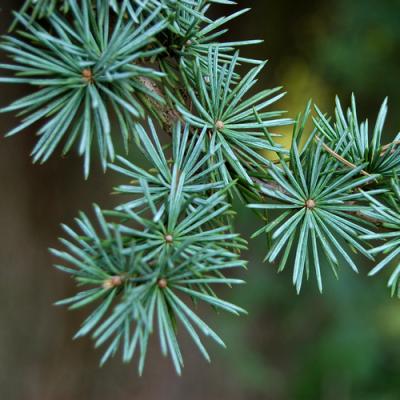
What Does Cedar Smell Like?
Discover cedar in perfumery — its dry, pencil-shaving woody scent, key molecule cedrol, its history in fragrance, and pairing with orientals and florals.

What Does Celery Smell Like?
Discover celery in perfumery — its green, vegetal, earthy scent, key molecule sedanolide, and surprising role in avant-garde and gourmand fragrances.

What Does Champagne Smell Like?
The complete 2026 guide to champagne notes in perfumery — how perfumers reproduce the effervescent celebratory character of sparkling wine, the synthetic materials involved, the historical and legal context, and...
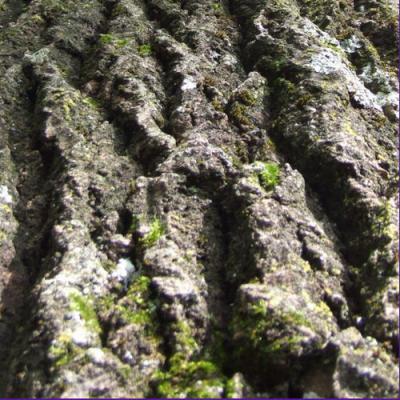
What Does Oak Smell Like?
The complete 2026 guide to oak and oakmoss in perfumery — two distinct materials with very different characters, the IFRA restrictions that reshaped 21st-century chypre, the classical compositions that defined...

What Does Beeswax Smell Like?
The complete 2026 guide to beeswax in perfumery — the natural waxy material from honeycomb, its honey-tobacco-leather character, the chemistry, the major compositions that built the modern beeswax register, and...

What Does Cocoa Smell Like?
Explore cocoa in perfumery: its rich dark chocolate aroma, history in gourmand fragrance, key aromatic molecules, famous fragrance uses, and how it creates indulgent compositions.

What Does Cade Smell Like?
Discover cade oil in perfumery: its intense smoky-tarry aroma, traditional uses in the South of France, key phenolic molecules, famous leather and smoke fragrances, and its unique role.

What Does Coffee Smell Like?
Explore coffee in perfumery: its rich roasted aroma, rise in gourmand fragrance, key aromatic molecules, famous coffee fragrances, and how this beloved note interacts with other ingredients.

What Does Calamus Smell Like?
Discover calamus in perfumery: its complex spicy-woody-iris aroma, ancient history, key asarone chemistry, regulatory context, famous fragrance uses, and its unique aromatic character.

What Does Roman Chamomile Smell Like?
Explore Roman chamomile in perfumery: its apple-hay-herbal aroma, calming tradition, key ester chemistry, famous fragrance uses, and how this gentle note enriches compositions.