

What Does Bergamot Smell Like?
Bergamot is one of perfumery's brightest top notes. Learn how perfumers use it, what it smells like on skin, and the fragrances that wear it best.
By Julia Moretti 4 min read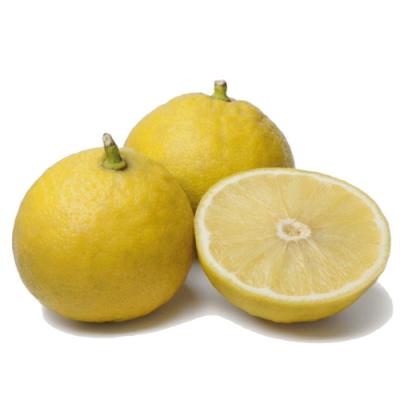
The Smell of Bergamot
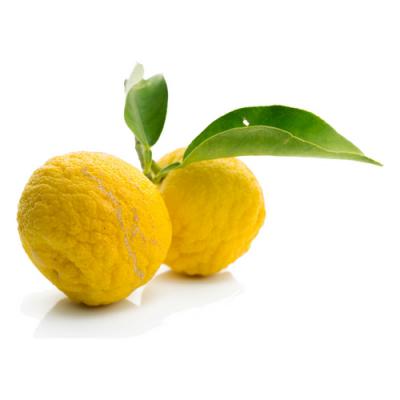
If you have ever sipped a cup of Earl Grey tea and paused to appreciate the elegant, floral-citrus fragrance rising from the cup, you already have an intimate relationship with bergamot. The essential oil of bergamot — cold-pressed from the rind of the small, nearly inedible citrus fruit Citrus bergamia, grown almost exclusively in Calabria in the toe of Italy — is one of the most beloved and widely used materials in the history of fine perfumery. Its scent is citrus, yes, but of a remarkably sophisticated kind: brighter than lemon, less aggressive than grapefruit, with a floral heart reminiscent of neroli and a subtle, almost spicy undertone that gives it extraordinary lift and elegance.
The top of bergamot is dazzling — a burst of luminous, fizzing citrus that seems to shimmer in the air. As it evolves on skin, the floral aspects become more apparent: a softness, a hint of the rose family, a delicate sweetness that never tips into sentimentality. The base of bergamot, often masked in perfumery by longer-lasting materials, carries a faint balsamic, slightly woody quality. It is this complexity — citrus, floral, herbal, and faintly balsamic, all at once — that makes bergamot so indispensable to perfumers.
The History of Bergamot in Perfumery
The origins of bergamot in fragrance are closely tied to the history of Eau de Cologne. The original Cologne water, developed in the early eighteenth century in Cologne, Germany — with significant contributions from Italian perfumers — was essentially a blend of bergamot, neroli, lemon, rosemary, and lavender in an alcohol base. When Jean-Marie Farina created his famous Eau de Cologne around 1709, bergamot was the beating heart of the formula. The fresh, uplifting, and transparent quality of these early citrus colognes defined a new category of fragrance that remains vital today.
Through the nineteenth century, bergamot became an almost universal ingredient in fine perfumery, appearing not only in colognes and fresh compositions but also in the great Oriental and chypre families, where it served as the luminous opening note that balanced richer, darker base materials. The classic chypre structure — bergamot on top, labdanum and oakmoss at the base — is arguably the most influential architectural template in perfumery history, and bergamot's role in that template is absolutely fundamental. Today, essentially no major fragrance category exists without bergamot: it opens fougères, brightens orientals, lifts florals, and gives aquatics their sparkling freshness.
Key Aromatic Molecules in Bergamot
Bergamot essential oil is a complex mixture of over 300 identified compounds. The most important aromatic components are linalyl acetate — a floral, fruity ester that constitutes roughly 25–45% of the oil and is largely responsible for the characteristic bergamot smell — and linalool, a terpene alcohol with a fresh, slightly floral-woody character. Together, linalyl acetate and linalool account for the majority of bergamot's recognisable signature.
Limonene, found in virtually all citrus peels, contributes the bright, sparkling citrus quality. Bergapten (5-methoxypsoralen) is a furanocoumarin naturally present in bergamot that, while responsible for the oil's historical photosensitising properties, has led to the development of bergapten-free bergamot (known as FCF — furocoumarin-free) for safe skin application in perfumery. Minor quantities of myrcene, alpha-pinene, and various sesquiterpenes fill out the profile, while the presence of geraniol and nerol explain the subtle rose-like quality that distinguishes bergamot from lesser citrus materials.
Famous Fragrances Built on Bergamot
The list of iconic fragrances that open with bergamot is essentially a catalogue of the greatest perfumes ever made. Chanel No. 5 opens with aldehyde-enhanced bergamot. Mitsouko by Guerlain, the masterwork chypre, rides a bergamot-peach accord into its legendary heart. More accessibly, Chanel Chance uses bergamot alongside pink pepper and patchouli to create one of the most vivid and contemporary citrus openings in mainstream perfumery.
Men's fragrances lean particularly heavily on bergamot: Bleu de Chanel opens with a vibrant bergamot-grapefruit accord that sets the tone for the entire composition's cool, precise masculinity. Dior Sauvage uses Calabrian bergamot as a declared hero ingredient — its explosive, sparkling opening note. Parfums de Marly Layton layers bergamot with lavender and apple in a way that perfectly captures the cool-warm tension at the heart of great aromatic masculines.
Bergamot's Interactions with Other Notes
Bergamot's genius in perfumery lies in its ability to harmonise with virtually any other material. With lavender, it forms the definitive fresh-aromatic opening: the two notes share linalool and linalyl acetate, which gives their combination an almost seamless naturalness. With rose, bergamot adds sparkle and lift to what might otherwise be a heavy floral; with jasmine, it prevents the indolic richness from becoming overwhelming.
In the base, bergamot transitions into woody and resinous materials with extraordinary grace. The classic bergamot-vetiver-musk accord — found in countless men's fragrances — demonstrates how bergamot can illuminate even the darkest, earthiest base notes. With amber, bergamot creates the famous Mediterranean warmth that characterises many of the great Guerlain and Hermès fragrances. With oakmoss or its modern replacements, bergamot provides the essential brightness that balances the green-earthy heaviness of the chypre accord.
Bergamot in Your Fragrance Wardrobe
Because bergamot is so universally present in fine fragrance, recommending a "bergamot fragrance" is almost tautological. But some fragrances wear bergamot more visibly than others — compositions where the citrus opening is an event in itself, bright and assertive before giving way to the heart. These are, almost without exception, excellent choices for daily wear, professional environments, warm weather, and anyone new to fine fragrance who wants an accessible but sophisticated entry point.
Whether your taste runs toward the crisp clarity of an Eau de Cologne, the polished precision of a modern masculine, or the opulent warmth of a chypre, bergamot will be your companion at the beginning of the journey. Explore designer fragrances and niche fragrances at Fragrenza to discover how this essential note is being interpreted today.