

Peruvian Balsam in Perfumery: The Warm, Vanillic Resin of the Tropics
Peruvian balm is a warm, balsamic raw material with deep history, a note every fragrance lover should learn to recognise on skin.
By Julia Moretti 4 min read
What Is Peruvian Balsam and What Does It Smell Like?
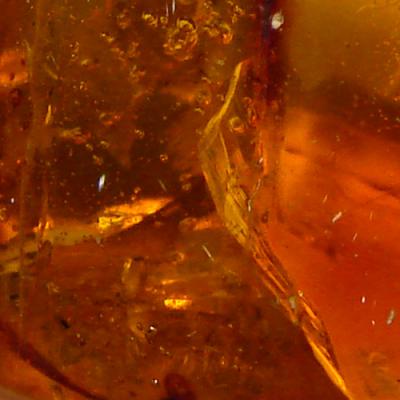
Despite its name, Peruvian balsam is native not to Peru but to El Salvador and other parts of Central America — a historical misnomer arising from the Spanish colonial trade routes that transported the material through Peru to Europe. Derived from Myroxylon balsamum var. pereirae, a tall tropical tree whose trunk is scored to allow the slow seepage of a thick, dark, aromatic resin, Peruvian balsam is one of perfumery's most ancient and most consistently useful fixative materials. Its smell is simultaneously sweet and spicy, warm and slightly medicinal: a rich combination of vanilla-like sweetness, cinnamon warmth, a hint of clove, and a deep, slightly smoky, balsamic undertone that gives it extraordinary depth.
At first encounter, Peruvian balsam presents its most immediately appealing face: a warm, sweet, slightly cinnamon-vanilla character that is approachable, comforting and instantly recognisable as belonging to the broader oriental-balsamic family. As it develops on skin, the more complex facets emerge: a resinous, slightly medicinal quality reminiscent of certain hospital antiseptics (owing to its significant benzoic acid and benzyl benzoate content), a dark, almost smoky depth that sits beneath the sweetness, and a genuine fixative quality that keeps other fragrance materials anchored to skin long after they would otherwise have faded. The combination of immediate sweetness and underlying complexity is what makes Peruvian balsam such a valuable ingredient for perfumers working in the oriental, chypre and heavy floral families.
Chemistry: Benzyl Benzoate, Benzyl Cinnamate and Cinnamic Acid
Peruvian balsam is a complex natural material whose principal aroma-active components include benzyl benzoate (approximately 60-70% of the material), benzyl cinnamate (around 20%), free cinnamic acid, free benzoic acid, vanillin, nerolidol and various other terpenoids and esters. Benzyl benzoate has a faint, slightly sweet, balsamic character on its own; in combination with benzyl cinnamate it creates the characteristic warm, balsamic-spicy quality associated with the whole resin. The vanillin content, while small, contributes meaningfully to the perceived sweetness. Cinnamic acid and its esters contribute the characteristic warm, cinnamon-like facet. Together these components create a remarkably complete balsamic accord from a single natural material.
The high benzyl benzoate content is relevant from a safety perspective: benzyl benzoate is one of the 26 fragrance allergens that must be declared at above-threshold concentrations in European cosmetic products, and Peruvian balsam as a whole is restricted by IFRA guidelines due to its sensitisation potential. This has led many contemporary perfumers to use the individual components rather than the whole resin, or to substitute Tolu balsam or synthetic equivalents, in modern formulations. Nevertheless, the richness and complexity of the whole material means that perfumers working in the natural tradition continue to value it highly, and it remains available for professional use at controlled concentrations.
History: From Aztec Medicine to European Luxury
Peruvian balsam has been used by indigenous Central American peoples for thousands of years as a wound dressing, antiseptic and medicinal preparation. Spanish colonisers encountered it in the sixteenth century and were impressed enough by its medical properties and fragrant character to begin importing it to Europe, where it quickly became one of the most valued materials in both pharmacy and perfumery. By the seventeenth and eighteenth centuries, Peruvian balsam was a standard ingredient in European perfume preparations: it appeared in unguents, pomades, sachets and the various balsamic compositions that characterised the baroque style of the period.
In the context of fine fragrance, Peruvian balsam was a staple ingredient through the entire classical era of the late nineteenth and early twentieth centuries. It appears in many of the foundational oriental compositions of this period: alongside benzoin, vanilla, labdanum and tonka, Peruvian balsam was a key component of the oriental base accord that defined some of the most celebrated fragrances of the twentieth century. IFRA restrictions have reduced its use in contemporary mainstream formulation, but it retains an important place in the history of the discipline and in the work of perfumers committed to historical fidelity.
Note Interactions: Peruvian Balsam in Composition
Peruvian balsam's warm, sweet, spicy character makes it a natural partner for the other materials of the oriental and balsamic base. With vanilla, it creates a deeper, more complex sweetness than vanilla alone: the cinnamon-spice warmth of Peruvian balsam adds dimension to vanilla's one-dimensionally sweet character, producing a base accord of considerable sophistication. With labdanum and benzoin, it participates in the classic oriental base trinity: ambery, balsamic and smoky-sweet in a combination that has defined the oriental fragrance family for over a century.
With florals — particularly rose, ylang-ylang and jasmine — Peruvian balsam functions as a rich, warm fixative that deepens and extends the floral character while adding its distinctive balsamic warmth. The combination of heavy florals with a balsamic base is one of the defining structures of the oriental-floral family, and Peruvian balsam has been a key ingredient in many historically significant compositions of this type. Among oriental fragrances, this warm, balsamic character is fundamental to the genre's identity.
Wardrobe Context
Fragrances in which Peruvian balsam plays a prominent role tend to have the characteristics typical of heavy balsamic orientals: rich, warm, persistent and assertive in projection. They are definitively cool-weather and evening-occasion fragrances, at their best when the ambient temperature is low enough to let the warmth of the base register as inviting rather than overwhelming. For those seeking compositions with genuine historical depth and the kind of warm, enveloping character that defines the greatest oriental fragrances, exploring the Peruvian balsam tradition — in the carefully reformulated versions available from contemporary houses — remains one of the most rewarding experiences that fine fragrance has to offer.