

Benzoin in Perfumery
Benzoin is a warm, balsamic raw material with deep history, a note every fragrance lover should learn to recognise on skin.
By Julia Moretti 4 min read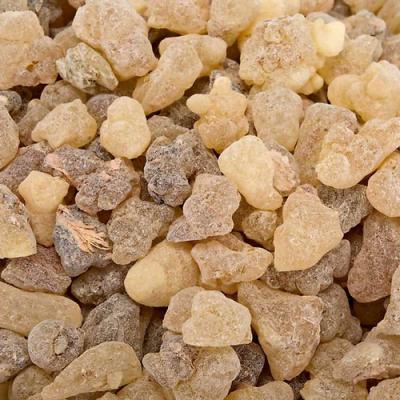
What Does Benzoin Smell Like?
Benzoin is one of the great comfort materials of the perfumer's palette — a resinous balsam that smells simultaneously of vanilla, warm caramel, a hint of incense smoke, and something faintly medicinal that whispers of old apothecaries and cathedral air. It is extracted as a resin from the bark of Styrax benzoin and related species, principally grown in Sumatra, Siam (Thailand), and Laos. When you encounter benzoin in a fragrance, you may not be able to name it immediately, but you will feel it: a deep, enveloping warmth that makes a perfume feel richer and more substantial, as though it has added a layer of soft cashmere to the composition.
Unlike the clean, almost candied vanilla of synthetic vanillin, benzoin's vanilla quality is earthier and more complex, carrying resinous undertones and a slight smokiness that places it firmly in the balsam family. It shares this quality with labdanum and styrax, its close relatives in the world of natural resinoids, and the three together form the aromatic backbone of many of the world's most celebrated oriental fragrances.
History of Benzoin in Perfumery and Incense
Benzoin has been traded along incense routes between Asia and the Middle East for at least two thousand years. Arab traders called it lubān jāwī — "frankincense of Java" — a name that evolved through Portuguese and French into the word "benzoin" itself. Medieval and Renaissance Europe imported benzoin as both a medicinal substance (it was used as an antiseptic and in cough remedies) and a precious incense ingredient. Its inclusion in the famous Friar's Balsam, a traditional medicinal preparation still available today, speaks to its enduring association with healing and warmth.
In fine perfumery, benzoin became a cornerstone of oriental fragrance development in the late nineteenth and early twentieth centuries. The oriental family — characterised by warm, resinous, spicy, and sweet accords — owes much of its identity to balsamic materials like benzoin, labdanum, and vanilla. Guerlain's Shalimar, launched in 1925 and still one of the most influential fragrances ever created, relies heavily on benzoin in its base to create the legendary powdery-vanilla warmth that has captivated wearers for a century. Benzoin also appears prominently in the chypre and fougère traditions, where it provides a balsamic sweetness that rounds off oakmoss and patchouli base notes beautifully.
Key Aromatic Molecules in Benzoin
Benzoin resin is chemically a complex mixture of aromatic acids, esters, and alcohols. The primary odour-active compounds in Siam benzoin (Styrax tonkinensis) are benzoic acid and benzyl benzoate, which together provide the characteristic sweet-balsamic scent with a faint medicinal undertone. Siam benzoin also contains significant levels of vanillin — the same compound found in natural vanilla beans — which explains its pronounced vanilla character.
Sumatran benzoin (Styrax benzoin), by contrast, contains less vanillin and more cinnamic acid and cinnamates, giving it a somewhat spicier, less sweet profile than its Siamese counterpart. Both varieties contain styrene — a compound with a faintly sweet-aromatic quality — and various resinous terpenoids that contribute to longevity and depth on skin. In modern perfumery, both natural benzoin resinoid and synthetic benzoate compounds are used, allowing perfumers to tailor the precise character of the benzoin accord to their requirements.
Benzoin in Famous Fragrances
Beyond Shalimar, benzoin appears as a key base note in countless celebrated fragrances. Many of the great orientals of the twentieth century — Yves Saint Laurent's Opium, Lancôme's Magie Noire, Nina Ricci's L'Air du Temps — rely on benzoin's balsamic warmth to give their compositions depth and sensuality. In the contemporary fragrance world, benzoin remains a staple of oriental and gourmand compositions alike.
Thierry Mugler's iconic Alien uses jasmine and woody amber alongside warm balsamic notes that recall benzoin's signature warmth. Similarly, the rich oriental character of Tom Ford Tobacco Vanille owes much to balsamic-vanillic base materials in the same family as benzoin. In niche perfumery, benzoin features prominently in incense-forward compositions, where its smokiness complements the cool spirituality of frankincense and oud.
How Benzoin Interacts with Other Notes
Benzoin is above all a base note and a fixative — its role in a composition is often as much about what it does to other materials as about its own smell. As a fixative, benzoin slows the evaporation of more volatile top and middle notes, extending the life of a fragrance on skin and fabric. In combination with amber and labdanum, benzoin creates a warm, honeyed balsamic base of extraordinary depth and sensuality. With patchouli, it adds sweet roundness to an otherwise earthy, sometimes challenging note.
Benzoin's vanilla facet makes it a natural partner for gourmand ingredients: hazelnut, tonka bean, sandalwood, and caramel all benefit from the extra warmth and complexity benzoin provides. With floral middle notes — rose, jasmine, ylang-ylang — benzoin acts as a sensual anchor, preventing the composition from floating away into pure abstraction and grounding the florals in bodily warmth. In spicy compositions, benzoin softens and sweetens harder-edged spices like clove and pepper, smoothing transitions between the spicy heart and the warm base.
Wearing Benzoin: Fragrance Wardrobe Context
Fragrances with prominent benzoin are quintessential cold-weather companions. Their warmth, sweetness, and depth are best appreciated when the ambient temperature is low; in summer heat, benzoin-heavy compositions can read as heavy or cloying. They are evening and occasion fragrances more than daytime companions — the scent equivalent of a velvet-lined coat or a glass of aged cognac. For those who love oriental fragrances, building a wardrobe around benzoin-rich compositions offers a journey through some of the most opulent and emotionally resonant territory in all of perfumery. Explore the full depth of balsamic and oriental scents in Fragrenza's niche fragrances collection.