

Notes in Perfumery
Everything you’ve wanted to know about the individual notes that make up modern perfumery, explained one ingredient at a time. What oud actually smells like and why it became a luxury obsession. Why orris butter costs more than gold. The difference between Sambac and Grandiflorum jasmine. How synthetic musks rebuilt the clean-laundry register. Use these as the field guide that turns sampling from guesswork into a vocabulary — once you can name what you’re smelling, you choose better bottles.
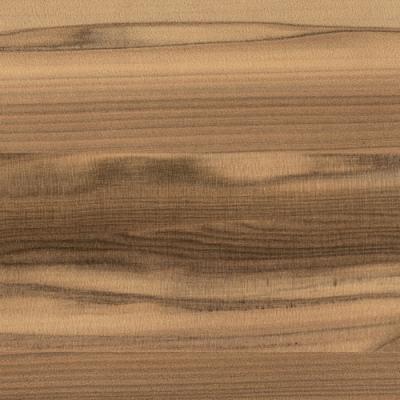
Soft, deep, resinous, grounded and timeless
Explore amber woods in perfumery — how ambroxan, cedarwood, and synthetic musks create modern warmth, and why this accord drives so many of today's bestselling fragrances.
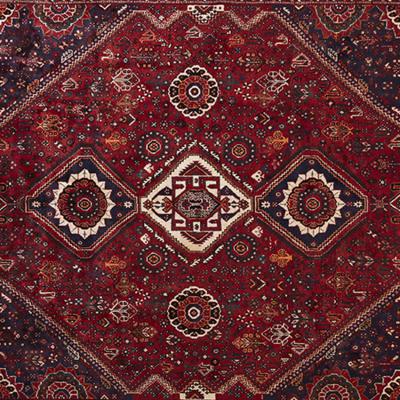
Oriental Notes keys to the heart of winter
Explore oriental notes in perfumery — vanilla, amber, resins, and spices that define this warm, opulent fragrance family and its most celebrated masterpieces.
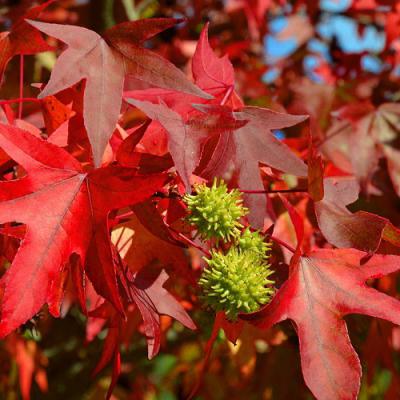
Bracing, fresh, intimately worn, styrax in five...
Discover styrax in perfumery — its rich, balsamic, leathery, smoky scent profile, ancient history in incense and fragrance, key aroma molecules, and famous fragrances it defines.
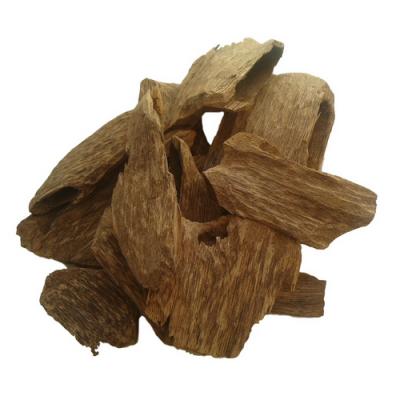
Dry, grounded, resinous, grounded and timeless
Discover oud in perfumery — from its origins in infected agarwood to its extraordinary smell profile, famous fragrances, and why it commands the highest prices in fine fragrance.
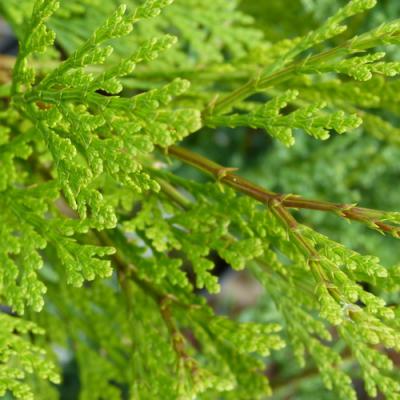
Familiar at first, strange on second sniff
Discover cedar leaf in perfumery — its sharply green, coniferous scent profile, key molecules, history and role alongside cedarwood in classic fragrances.
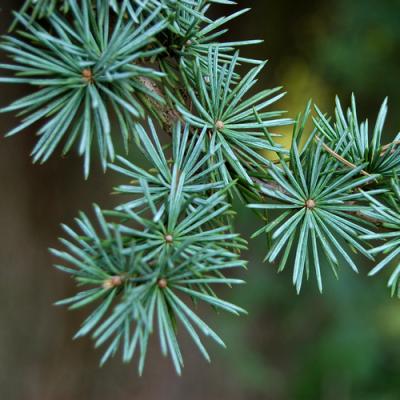
Cedrol-anchored Virginian, Atlas, and Texas ced...
Discover cedar in perfumery — its dry, pencil-shaving woody scent, key molecule cedrol, its history in fragrance, and pairing with orientals and florals.
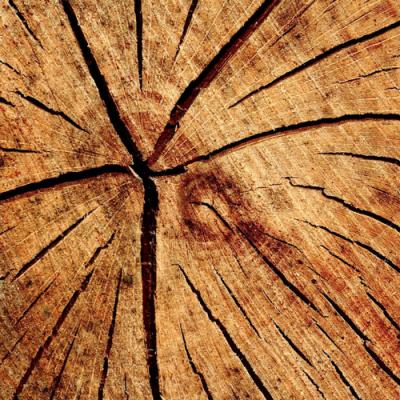
A woody for early morning coffee weather
Explore wood notes in perfumery: the diverse family of aromatic woods, their history and key molecules, famous woody fragrances, and how wood shapes modern scent.