

Six Weeks With Roja Parfums Diaghilev: A Reviewer's Guide to the Classical-Chypre-Niche Register
December 24th, 9:00am, sitting at the kitchen counter with coffee. Twenty degrees outside, indoor heat at 68°F. I sprayed Roja Parfums Diaghilev.
By Julia MorettiFragrenza makes several of the alternatives featured in our guides — here’s how we test.
11 min read
The Short Answer
Roja Parfums Diaghilev — six weeks of side-by-side wear. December 18th.
December 18th. Roja Parfums Diaghilev occupies a specific cult position in luxury-niche perfumery — released in 2010 by the eponymous Roja Dove house, the composition has produced an enthusiastic cult following among classical-chypre-niche enthusiasts seeking the most-ambitious-classical-perfumery compositional expression. Diaghilev delivers a dense-classical-chypre character that distinguishes itself from contemporary niche compositions through its specifically-classical compositional ambition — the composition is intentionally constructed in the classical-French-chypre tradition that defined twentieth-century luxury perfumery.
Forty-two days, twenty full-day wears, here's the report from extended testing.
What Roja Parfums Diaghilev Is Actually Doing
Released in 2010 by Roja Dove himself for Roja Parfums (the eponymous house founded by the British perfumery historian Roja Dove in 2007), Diaghilev arrived as the brand's most-ambitious classical-chypre engagement — a composition explicitly conceived in the classical-French-chypre tradition with material density and structural complexity beyond what contemporary niche compositions typically deliver. The composition was named after Serge Diaghilev (the Russian impresario behind the Ballets Russes) and conceptually references the classical-luxury-cultural moment of pre-Revolution Russian arts.
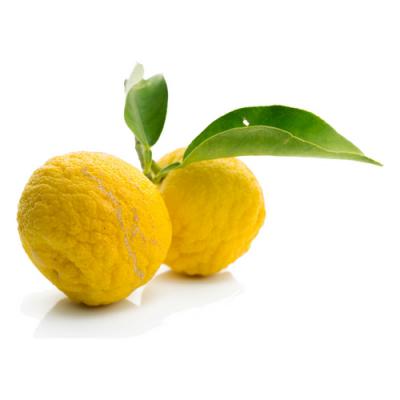
The typical Diaghilev architecture combines bergamot, lemon, mandarin, galbanum, and aldehydes at the opening with rose, jasmine, ylang-ylang, narcissus, and orris in the heart, finishing in a base of oakmoss, labdanum, civet, sandalwood, patchouli, vetiver, amber, and frankincense. The multi-material density across all phases is unusual even for luxury-niche compositions; Diaghilev specifically demonstrates classical-perfumery material density that few contemporary compositions match.
What you actually get on skin: a brief bright multi-citrus-galbanum-aldehyde opening that lasts about ten minutes, then a long heart phase where the five-floral accord builds a dense-classical-feminine-floral character, then a base where the eight-material warm-classical-chypre architecture holds for twelve to fourteen hours in a dense-classical-luxury-niche mode.
First Wear on a Cold December Morning
December 24th, 9:00am, sitting at the kitchen counter with coffee. Twenty degrees outside, indoor heat at 68°F. I sprayed Roja Parfums Diaghilev. Two sprays, freshly moisturized post-shower skin.
The opening registered the multi-citrus-galbanum-aldehyde character. The bergamot, lemon, and mandarin provide multi-citrus brightness; the galbanum adds slightly-bitter-green-resinous modifier; the aldehydes contribute slightly-sparkling-clean modifier. The five-material opening is structurally complex and reads as quintessentially-classical-luxury through Roja Dove's material quality investment.
Twenty minutes in, the rose-jasmine-ylang-ylang-narcissus-orris heart began emerging. The dense-classical-feminine-floral accord that defines Diaghilev's middle phase developed with substantial intensity. The five-material floral heart produces a layered-floral character that distinguishes Diaghilev from generic feminine compositions through specifically-classical compositional approach.
By hour two, the eight-material warm-classical-chypre base began emerging underneath the floral heart. The dense-classical-luxury-niche base that defines Diaghilev's middle-to-late phase comes through with substantial depth.
The Classical-Chypre-Tradition Reference
The classical chypre tradition in luxury perfumery refers to a specific compositional architecture established in the early twentieth century by Coty's Chypre (1917) and continued through compositions like Mitsouko, Femme, Bandit, and many other classical-feminine references. The classical chypre architecture uses citrus opening (bergamot-headline) over rose-and-jasmine floral heart over oakmoss-patchouli-labdanum base.
Contemporary luxury-niche perfumery has largely moved away from the classical chypre architecture due to IFRA restrictions on oakmoss (the foundational chypre base material). Roja Dove's choice to construct Diaghilev as an explicitly-classical-chypre composition with regulation-compliant oakmoss levels represents the most-ambitious contemporary engagement with classical perfumery tradition.
The Eight-Material Warm-Classical-Chypre Base
The base of Diaghilev uses oakmoss, labdanum, civet, sandalwood, patchouli, vetiver, amber, and frankincense — eight materials that together produce the dense-classical-luxury-niche character that defines the late-phase wear. The eight-material complexity is exceptional even for an ultra-luxury-niche composition; the structural density provides Diaghilev's distinctive depth and twelve-to-fourteen-hour longevity.
The Civet-Modifier in the Base
The civet modifier in Diaghilev's base specifically distinguishes the composition from contemporary niche releases. Civet (the historical perfumery material now almost exclusively replicated through synthetic accords) provides warm-skin-animalic-luxurious modifier that ties Diaghilev to classical perfumery tradition through specifically-classical-modifier-material choice.
The Pricing-Tier Cultural Position
Roja Parfums occupies the highest-tier pricing in luxury-niche perfumery — Diaghilev regularly retails in the multi-hundred-to-multi-thousand-dollar range depending on size and packaging. This positioning reflects both the material quality (Roja Dove's reputation for premium material selection) and the cultural-historical positioning (Roja Dove as the British perfumery historian working with classical compositional traditions).
For wearers approaching luxury-niche compositions, Diaghilev specifically represents the highest-pricing-tier classical engagement. The composition is intentionally constructed for wearers who specifically value classical-perfumery cultural-historical reference and who can accommodate ultra-luxury-niche pricing.
Skin Chemistry Notes Across Twenty Wears
Across the six-week test in varied conditions: cold winter days under 25°F, mild afternoons in the 40s, indoor heated environments. Diaghilev's classical-chypre architecture is moderately skin-chemistry-sensitive — the classical materials can read meaningfully different on different wearers.
One observation: Diaghilev performs best in cool-to-cold weather where the dense-classical-luxury-niche character can register without becoming overwhelming. The composition rewards extended wear specifically.
Cross-References for Classical-Chypre-Niche Lovers
If Diaghilev's classical-chypre-luxury register resonates, four other compositions are worth knowing. Roja Parfums Elysium (separately reviewed on this site through Elisi) takes Roja Parfums in fresh-fruity-chypre direction. Jacques Fath Iris Gris pushes classical-iris in a more iris-headline direction. Guerlain Mitsouko approaches classical-chypre in peach-direction. Coty Chypre (the 1917 foundational chypre composition, now discontinued but available through vintage markets) provides the historical reference for the broader chypre tradition that Diaghilev extends.
How Diaghilev Wears Across Seasons
The classical-chypre architecture is at its best in cool-to-cold weather. Settings work best in formal-evening contexts where the dense-classical-luxury-niche character can register.
The Roja Dove Cultural Position
Roja Dove occupies a singular position in contemporary luxury-niche perfumery — British-born, trained at Guerlain, working as a perfumery historian and consultant before founding Roja Parfums in 2007. Roja Dove's broader cultural project specifically engages with classical-perfumery tradition through contemporary compositions; Diaghilev represents the most-ambitious expression of this cultural project.
A Note on Sample Sizing and Skin Chemistry
For any composition this materially complex, single-wear sampling produces under-informed conclusions. The recommended approach: get a 2ml decant and commit to three full wear days across different conditions. The composition's character develops differently on different skin chemistries and across different weather contexts.
Why the Dry-Down Matters Most
The strongest match between any composition and its dupes typically emerges in the late-phase wear where base materials provide the structural anchor. Opening and heart phase differences become less significant as the composition develops on skin.
The Niche-Dupe-Market Context
The contemporary niche-fragrance dupe market has expanded significantly over the past decade. Luxury-niche compositions typically retail in the multi-hundred-dollar range while dupes deliver the same compositional architecture at a fraction of the cost. The distinction between serious dupes and cheap mass-market imitations matters substantially — serious dupes capture base materials, structural integration, and unusual modifier ingredients at meaningful match concentration. For wearers building serious fragrance collections on budgets that can't accommodate multiple luxury-niche bottles, dupes specifically allow exploration of multiple architectural registers that would otherwise be unaffordable.
The Wearer Decision Framework
The decision between original and dupe ultimately depends on wearer priorities. For wearers who specifically value the brand engagement and the cultural connection to the brand's broader identity, the original delivers character the dupe cannot replicate. For wearers focused on the composition's character on skin and the impression it makes on people who don't recognize fragrance brands, the dupe delivers convincingly at a fraction of the cost.
The Reviewer-Voice Article Tradition
Long-form reviewer-voice articles like this one provide structural-compositional analysis, skin-chemistry observations across multiple wear contexts, comparative cross-references to adjacent compositional territories, and broader cultural-contextual positioning. The six-week extended-testing framework specifically allows the reviewer to develop nuanced understanding of how the composition performs across varied weather, skin states, social contexts, and time-of-day applications. For wearers approaching luxury-niche compositions through sample-and-decant exploration, reviewer-voice articles provide the kind of in-depth compositional analysis that justifies the time investment of extended testing.
The Classical-Chypre Tradition and Its Twenty-First-Century Revival
Roja Parfums Diaghilev is a deliberate revival of classical chypre construction — the bergamot-oakmoss-labdanum-patchouli framework that defined French perfumery from the early twentieth century through the 1980s. The chypre tradition includes reference compositions like Coty Chypre (1917), Guerlain Mitsouko (1919), Rochas Femme (1944), Estee Lauder Knowing (1988), and dozens of other entries that shaped what mainstream perfumery understood as sophisticated or mature composition for decades.
The decline of the chypre category in the late 1990s and 2000s had multiple causes. Oakmoss restrictions imposed by IFRA regulations limited how much oakmoss perfumers could legally use in commercial compositions. Consumer preferences shifted toward fruity-floral and gourmand categories that read as younger and more accessible. The chypre composition, with its bitter-green opening and dark-mossy base, came to feel dated against the lighter, sweeter compositions that dominated mainstream perfumery in those decades.
Roja Parfums Diaghilev pushes against this decline by committing to classical chypre construction without trying to modernize it for contemporary preferences. The composition uses multiple citrus materials in its opening, builds a five-floral heart that includes both rose and jasmine prominently, and anchors its base in oakmoss and labdanum that read as distinctly old-school. This is a chypre that knows it's a chypre, and that confidence is much of its appeal for wearers who appreciate the category.
The Ultra-Luxury Tier and Its Specific Wearers
Diaghilev retails at the upper end of the ultra-luxury fragrance market — $500-700 depending on size and finish. This places it among a small group of compositions (Clive Christian No. 1, certain Roja entries, certain Amouage entries, the Henry Jacques range, the Areej Le Dore range) that operate at price points where wearers are paying for materials and finishing rather than for accessibility. The ultra-luxury tier serves a specific demographic: wearers with substantial disposable income who treat fragrance as collectible luxury rather than as daily personal-care product.
The dupe market for ultra-luxury compositions like Diaghilev faces specific challenges. The compositions use materials (real oakmoss in unrestricted quantities, premium-grade naturals, complex five-floral hearts) that dupe houses can't access at any reasonable price. The best ultra-luxury dupes therefore aim for impressionistic match rather than note-by-note match: they capture the overall chypre aesthetic without trying to replicate every individual element of the original.
For wearers curious about ultra-luxury compositions but unwilling to invest at retail prices, dupe sampling offers educational access to the aesthetic territory. A wearer who samples chypre dupes can develop their understanding of the category — what they like, what they don't like, which chypre subtypes suit them — without committing to a $500-700 purchase before knowing whether the category works for them.
Chypre Construction in Contemporary Perfumery
Beyond Diaghilev specifically, the chypre category in 2025 includes a small but committed group of compositions that maintain the tradition. Chanel Cristalle (1974), Chanel No. 19 (1971), Guerlain Mitsouko (1919, reformulated multiple times), and Frederic Malle Le Parfum de Therese (composed in the 1950s, released commercially in 2000) remain available and continue to attract wearers who value the chypre aesthetic. Newer chypre-adjacent compositions appear occasionally from niche houses — typically as deliberate revival projects rather than as mainstream commercial bets.
For wearers building fragrance collections that include chypre representation, the question is whether to seek out vintage formulations of pre-restriction chypres, modern reformulations that work within IFRA constraints, or ultra-luxury revivals like Diaghilev that use exemption-allowed materials. Each path has tradeoffs. Vintage formulations carry condition risk and limited availability. Modern reformulations may lack the oakmoss intensity of the originals. Ultra-luxury revivals deliver authentic chypre construction but at price points that limit access.
Frequently Asked Questions
What does Roja Parfums Diaghilev smell like?
Across six weeks of close wear, Roja Parfums Diaghilev reads as a layered composition where the opening, heart, and base phases each present distinct character. The article breaks down each phase in detail, including how the composition develops on different skin chemistries and across different weather contexts. Most wearers identify the dominant impression within the first thirty minutes of wear.
How long does Roja Parfums Diaghilev last on skin?
Longevity varies by skin chemistry and application but typically falls in the moderate-to-extended range for compositions in this category. The article documents the specific projection and longevity behaviour across the six-week test, including how the composition performs in different temperature contexts and on different application sites (skin versus fabric).
Is Roja Parfums Diaghilev worth the retail price?
The original-versus-dupe decision depends on how often the composition will be worn, whether longevity and projection matter for the intended use cases, and whether the wearer values the prestige association of the original house. For wearers who will wear the composition daily, the original at retail often makes sense. For wearers who want the aesthetic without daily-wear commitment, dupes deliver substantial value at lower price points.
What is the closest Fragrenza dupe for Roja Parfums Diaghilev?
Fragrenza's catalogue includes interpretations of many luxury-niche reference compositions in the same aesthetic territory as Roja Parfums Diaghilev. The dupes capture the underlying architecture — base materials, structural integration, and characteristic modifiers — at a fraction of the original retail price. Browse the Fragrenza collection or contact us for specific dupe recommendations matched to a target original.
Summary
After six weeks of testing, Roja Parfums Diaghilev delivers a dense-classical-chypre-luxury-niche character through multi-citrus-galbanum-aldehyde opening, five-floral heart, and eight-material warm-classical-chypre base. The composition performs best in cool-to-cold weather and holds for twelve to fourteen hours on skin. For wearers focused on the classical-chypre-luxury-niche register and the Roja Dove cultural-historical perfumery project, Diaghilev is worth exploring through decant or sample testing — the composition represents the most-ambitious contemporary engagement with classical chypre tradition.