

What Does Yuzu Smell Like? The Japanese Citrus Transforming Modern Perfumery
Yuzu is one of perfumery's brightest top notes. Learn how perfumers use it, what it smells like on skin, and the fragrances that wear it best.
By Julia Moretti 7 min read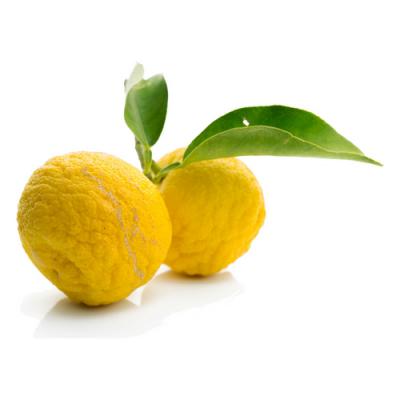
The Citrus Unlike Any Other
Ask anyone to describe yuzu and they will likely reach for comparisons: it is like a lemon, but more complex; like a grapefruit, but with a floral quality; like a mandarin, but sharper and more aromatic. None of these comparisons quite captures it, which is part of why yuzu has become such a valued and distinctive note in contemporary perfumery. Citrus junos — the yuzu tree, native to central China and now grown primarily in Japan, Korea, and China — produces a small, knobby, yellow-green fruit with an intensity of aromatic character that outstrips virtually every other citrus species. The zest of a yuzu contains aromatic compounds not found in combination in any other citrus fruit, giving it a profile that is simultaneously familiar (you recognize it as citrus immediately) and genuinely unique (you know it is not lemon, not bergamot, not grapefruit).
Yuzu's scent profile is perhaps best described as bright, tart, and floral-citrus, with a characteristic note of dried aromatic herbs and a slightly bitter, almost floral-spice quality underneath the pure citric brightness. Where lemon is direct and linear, yuzu is multidimensional. Where bergamot is smooth and perfumed, yuzu has a slight roughness, an authentic citrus quality that reads as genuinely natural. Where grapefruit is clean and bitter, yuzu carries a distinctly Japanese aesthetic of refined complexity — a citrus that manages to be both bold and nuanced simultaneously.
Yuzu's Origins and Cultural Significance
Yuzu has been cultivated in Japan for over a thousand years and holds a deeply embedded place in Japanese culinary and cultural life. The juice and zest are used extensively in Japanese cuisine — in ponzu sauce, as a seasoning for soups, in confectionery, and in countless other applications. The peel is floated in hot baths during the winter solstice festival of Toji, a tradition that celebrates the fruit's warming, fragrant properties and its symbolic resonance with health and good fortune. This cultural embeddedness gives yuzu an authenticity and specificity that makes it particularly compelling as a fragrance note — it carries a whole world of associations along with its scent.
Japan's own fragrance tradition, informed by the concept of ma (negative space, restraint) and by the aesthetic sensibility of wabi-sabi (the beauty of imperfection and transience), has always found citrus notes particularly resonant. The brightness and ephemerality of yuzu — its tendency to flash brilliantly and then fade, like cherry blossoms or morning light — aligns with Japanese aesthetic values in a way that richer, more persistent notes do not. Western perfumers began incorporating yuzu into their compositions in the 1990s and 2000s as interest in Japanese aesthetics and ingredients grew, and the note has since become a genuine staple of contemporary fragrance design across all price points and categories.
The emergence of yuzu in Western fine fragrance coincided with a broader shift toward cleaner, more citrus-forward compositions and a departure from the heavy orientals that had dominated the 1980s. Yuzu offered something that standard citrus could not: the familiarity of lemon-grapefruit brightness combined with a complexity and depth that allowed it to function in more sophisticated compositions rather than simply as a fleeting opening flash.
Extraction and Key Aromatic Molecules
Yuzu essential oil is obtained by cold-pressing the peel of the fruit, in the same manner as other citrus essential oils. The resulting oil is intensely aromatic and relatively pale yellow-green in color. Like all cold-pressed citrus oils, yuzu oil contains significant concentrations of limonene (the primary molecule in most citrus peels), but its distinctive character comes from a specific combination of other molecules that give it its uniquely complex profile.
Yuzu oil is particularly rich in gamma-terpinene, a molecule that contributes the herb-like, slightly medicinal quality that distinguishes yuzu from other citrus. It also contains significant amounts of linalool (the floral-herbal molecule found in lavender and bergamot), which explains the floral quality underlying yuzu's citric brightness. Beta-pinene adds a fresh, slightly piney quality. Sabinene, terpinen-4-ol, and various other terpenoid compounds contribute to the aromatic complexity. Citronellal, found in lemongrass and some citrus, adds a slightly green, lemony facet that reinforces the overall brightness.
The combination of limonene's pure citric burst, linalool's floral lift, gamma-terpinene's herbal depth, and the underlying terpenoid complexity is what makes yuzu irreplaceable and difficult to substitute convincingly. Perfumers who have tried to create yuzu impressions using blends of other citrus materials report consistent difficulty achieving the exact character — it is genuinely a case where the natural oil, or a specifically designed synthetic reconstruction, is necessary to achieve the intended effect.
Unlike many citrus materials, yuzu absolute and concrete also exist, produced by solvent extraction rather than cold-pressing. These heavier extracts capture different facets of the fruit, including waxy, floral, and deep green aspects not present in the cold-pressed oil. They are used primarily in high-end niche perfumery where the perfumer wants a more complex, lasting citrus note rather than the classic bright flash of the cold-pressed oil.
Yuzu in Famous Fragrances
Yuzu's impact on fine fragrance since its introduction to Western perfumery has been significant and growing. Hermès has been among the most creative and committed users of yuzu: Christine Nagel and Jean-Claude Ellena both incorporated it into various Hermès compositions, and the Un Jardin series in particular draws on Japanese garden aesthetics in which yuzu feels architecturally appropriate. Bulgari's Eau Parfumee au The Blanc (Green Tea) introduced yuzu to millions of consumers in a remarkably accessible format, where it contributes to the clean, almost meditative freshness of the composition.
In the contemporary niche fragrance world, yuzu has become something of a prestige ingredient — a marker of the perfumer's interest in Japanese ingredients and aesthetics, and a promise of genuine freshness and complexity in the opening. Diptyque, Comme des Garçons, and various Japanese-influenced niche houses have all produced significant yuzu-featuring compositions. The note has also crossed over into mainstream designer fragrances: several masculine fragrances in the fresh-sport category use yuzu as a more interesting alternative to generic citrus, borrowing its complexity to elevate what might otherwise be unremarkable compositions.
The relationship between yuzu and men's fragrance is particularly strong. The note's brightness and clean complexity align with the masculine fragrance tradition's preference for fresh, invigorating openings, while its depth and character distinguish it from the simpler citrus notes that dominated earlier decades. In contemporary masculines, yuzu frequently appears alongside aromatic herbs, woody bases, and clean musks in compositions that are fresh but not flat, complex but not heavy — exactly the balance that modern masculine fragrance design aims for.
How Yuzu Interacts with Other Notes
Yuzu's versatility as a perfumery ingredient comes from its ability to function as both a featured note and a supporting brightener. As a top note, it creates an immediate opening of clarity and energy — that flash of tart, floral-citrus that makes the first seconds of application a genuine pleasure. As a modifier in a more complex composition, yuzu can add a fresh, Japanese-aesthetic transparency to materials that might otherwise feel heavy or dense.
Yuzu with green tea creates one of contemporary perfumery's most resonant accords — an entire aesthetic of Japanese refinement captured in the relationship between tart citrus and the gentle bitterness of tea. Both notes share a quality of meditative clarity, a cleanliness that suggests simple pleasures and mindful living. With cedar and hinoki (Japanese cypress), yuzu creates an unmistakably Japanese woody accord, the citrus brightness playing against the dry, resinous wood in a way that is simultaneously modern and deeply traditional.
Yuzu and vetiver create an interesting contrast — the tart citrus brightness of yuzu against the deep earthy smokiness of vetiver. This pairing appears in several sophisticated contemporary fragrances where the tension between the two materials creates an arresting complexity. Yuzu with musk produces a clean, fresh skin-scent effect, the citrus adding luminosity to musk's intimate warmth.
With floral notes, yuzu provides an acidic brightness that prevents the composition from becoming too sweet or heavy. Yuzu with rose creates a dewy, fresh-floral accord with a slight tartness that keeps the rose from feeling too traditional. Yuzu with white florals — jasmine, lily — creates a tropical-freshness combination that reads as modern and youthful. In the niche fragrance category, yuzu's interactions with unusual materials — minerals, smoke, leather — have produced some genuinely innovative and compelling compositions.
Yuzu in Your Fragrance Wardrobe
Yuzu is a note with clear seasonal affinities. Its brightness and freshness make it a natural spring and summer choice, but its depth and complexity mean it transitions more gracefully into autumn than most citrus notes. A yuzu-forward fragrance worn in warm weather delivers its full tart-floral brightness with maximum impact; in cooler months, the same fragrance reads as more contemplative and introspective, the citrus receding slightly as the underlying herbal and floral facets become more prominent.
For fragrance enthusiasts who find most citrus notes fleeting and insubstantial, yuzu offers a compelling alternative. Its greater complexity and depth mean it lingers somewhat longer on skin than simpler citrus materials, and even as the initial brightness fades, the underlying herbal and floral facets provide a pleasing transition to the heart notes. This makes yuzu particularly valuable in daytime and office wear, where you want a fresh, clean opening that transitions gracefully rather than simply disappearing after twenty minutes. Discovering yuzu is, for many fragrance lovers, the moment they start taking citrus notes seriously as an ingredient category rather than merely a preamble to the “real” fragrance beneath.