Parfum vs EDP vs EDT vs EDC: The Complete Fragrance Concentration Guide
At twenty to forty percent fragrance oil, parfum carries less alcohol and projects less aggressively; EDP at fifteen to twenty percent is the daily-wear sweet spot.
By Julia MorettiFragrenza makes several of the alternatives featured in our guides — here’s how we test.
3 min read
You've found a fragrance you love — now you're staring at several versions of it: Parfum, Eau de Parfum, Eau de Toilette, Eau de Cologne. They look nearly identical but the prices are different. What's going on? The answer comes down to concentration: how much fragrance oil is dissolved in the formula. Understanding this single concept will transform the way you shop for scent.
What Does Fragrance Concentration Mean?
Every perfume is a mixture of fragrance oils (the aromatic ingredients), alcohol, and sometimes a small amount of water. The concentration refers to the percentage of fragrance oil in that mixture. Higher concentration means more fragrance oil, which generally translates to stronger scent, greater longevity, and — often — a higher price tag.
Here's the breakdown of the four main categories:
Parfum (Extrait de Parfum) — 20–40% Concentration
Parfum, also called Extrait de Parfum or simply Extrait, is the most concentrated form available. With 20–40% fragrance oil, a small amount goes a very long way. One or two dabs on pulse points can last 8–12 hours or more.
Because it contains less alcohol, Parfum tends to sit closer to the skin — it's intimate and warm rather than loudly projecting. It's also often the most expensive option, both because of the raw material cost and because it's typically positioned as a luxury tier.
Best for: Special occasions, intimate settings, those with sensitive skin (less alcohol can be gentler), or anyone who wants maximum longevity from a small amount.
Eau de Parfum (EDP) — 15–20% Concentration
Eau de Parfum is the sweet spot that most fragrance lovers gravitate towards. With 15–20% fragrance oil, it delivers excellent longevity (typically 6–8 hours), good projection without being overwhelming, and a well-rounded experience of top, heart, and base notes.
Most prestige fragrances are launched as EDPs. It's the format that gives perfumers the most flexibility to tell a full olfactory story — the concentration is high enough to support rich base notes while still allowing the top notes to shine on opening.
Best for: Everyday wear, work, evenings out — essentially any occasion. It's the most versatile concentration.
Eau de Toilette (EDT) — 5–15% Concentration
Eau de Toilette has a lighter concentration of 5–15% fragrance oil. It typically lasts 3–5 hours and tends to project a bit more openly than an EDP in the first few hours, even if overall longevity is shorter. The higher alcohol ratio means the top notes evaporate faster and more dramatically.
Many classic fragrances were originally launched as EDTs — and some arguably smell better in EDT form, as the lighter concentration can make certain compositions feel fresher and more sparkling.
Best for: Hot weather, daytime wear, office environments where you don't want to overwhelm colleagues, or casual everyday use.
Eau de Cologne (EDC) — 2–5% Concentration
The term "cologne" is widely misused to mean any men's fragrance, but technically it refers to a specific concentration level: 2–5% fragrance oil in a high-alcohol base. Traditional EDCs (like the original Eau de Cologne from Cologne, Germany) were bright, citrus-forward, and designed to be splashed on liberally and refreshed throughout the day.
Modern EDCs are relatively rare in the fine fragrance world, but the format persists as a light, refreshing option, often lasting just 2–3 hours.
Best for: Post-gym refresh, very hot climates, or as a light daily spritz you can reapply freely.
Eau Fraiche — 1–3% Concentration
Sometimes you'll also see Eau Fraiche, which contains just 1–3% fragrance oil in a mostly water (rather than alcohol) base. It's the lightest option of all and is designed for immediate, fleeting freshness. Think of it as a scented body spray.
Does Higher Concentration Always Mean Better?
Not necessarily. A beautifully crafted EDT can outperform a poorly made Parfum. Concentration affects character as much as quality — the same fragrance in EDP and EDT can smell noticeably different because different notes are emphasised at different concentrations.
Many fragrance enthusiasts actually prefer certain classics in their EDT form for exactly this reason. There's no universal "best" — it depends on the fragrance, your skin chemistry, and how you want to wear it.
A Note on Fragrenza Concentrations
At Fragrenza, we formulate our fragrances to deliver excellent longevity and performance. Our
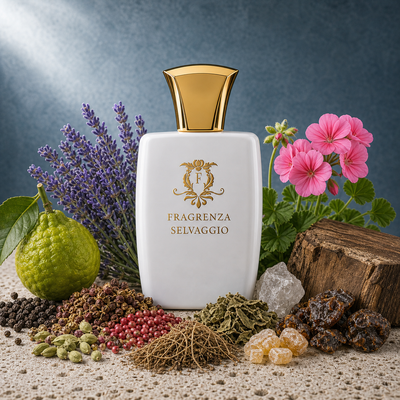
— inspired by a beloved oriental coffee floral — is a great example of a rich, EDP-strength formula that lasts through a full day. Likewise, our fresh aromatic is formulated to project confidently and last through the working day and beyond.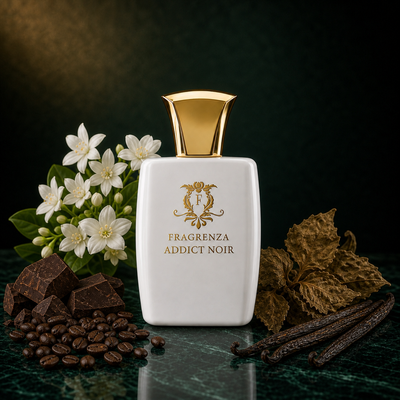
For a deeper exploration of longevity and how concentration interacts with your skin, read our guide: Eau de Parfum vs Eau de Toilette: What's the Difference and Which Should You Buy?
Ready to explore our range? Browse our best-sellers and find your next signature scent at a price that makes sense.