

-
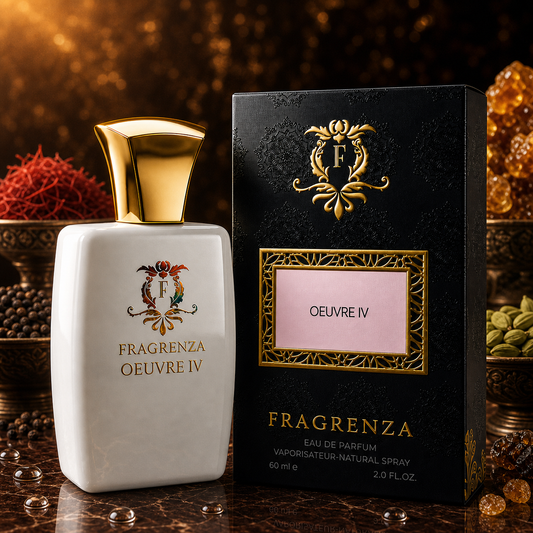
Oeuvre IV Oeuvre IVVendor:Inspired by Amouage Opus IVRegular price From $9.99Regular price
$360.00Sale price From $9.99Sale -
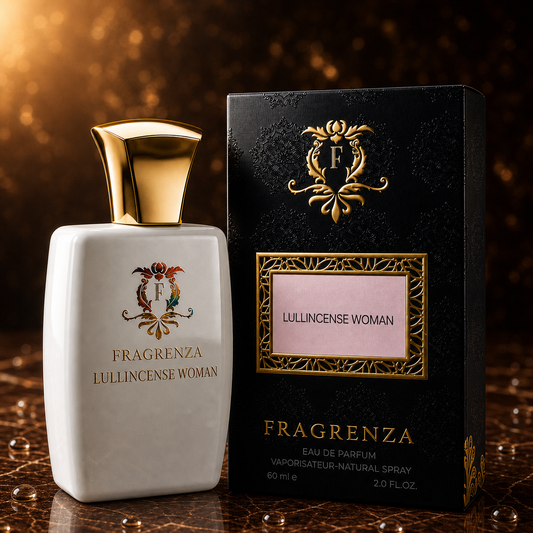
Lullincense Woman Lullincense WomanVendor:Inspired by Amouage Interlude WomanRegular price From $9.99Regular price
$360.00Sale price From $9.99Sale


About Animal notes Fragrances
Animal Notes refer to a family of raw, primal fragrance materials that have fascinated and challenged perfumers for centuries. Historically sourced from animals — civet from the civet cat, castoreum from the beaver, ambergris from the sperm whale, and musk from the musk deer — these notes carry an inherent warmth, sensuality, and skin-closeness that no purely botanical material can fully replicate. Today, most animal note usage in fine perfumery relies on synthetic or naturally sourced ethical alternatives that preserve the olfactory character without wildlife impact.
Olfactorily, Animal Notes occupy the deepest, most intimate register of a fragrance. They are warm, animalic, and richly sensual — evoking warm skin, fur, and the primal intimacy of physical proximity. Civet contributes a sharp, feline muskiness; castoreum adds leather and smoky depth; musk offers a diffuse, skin-enhancing warmth. These notes are rarely used as standalone accords but rather as subtle undertones that add an almost indescribable aliveness to a composition, making it feel inhabited and deeply personal.
In perfumery, Animal Notes serve as fixatives and sensual anchors, grounding the more volatile elements of a fragrance and extending its longevity on skin. They appear in orientals, leathers, chypres, and bold florals. At Fragrenza, our Animal Notes collection explores this bold, primal facet of perfumery through sophisticated fragrance dupes that channel the raw sensuality of iconic luxury originals at accessible prices.
Other Collections
Amouage Fragrances

From this collection: Brandy Star Woman — Sunshine Woman by Amouage alternative
Explore our collection of amouage fragrances. Shop amouage perfumes and discover captivating scents.
Floral Notes Fragrances

From this collection: Sensual Flame — Cassili by Parfums de Marly alternative
Explore our collection of floral notes fragrances. Shop floral notes perfumes and discover captivating scents.
Fruity Notes Fragrances

From this collection: Cherryum
Explore our collection of fruity notes fragrances. Shop fruity notes perfumes and discover captivating scents.
Green Notes Fragrances

From this collection: Black Oud — Black Afgano by Nasomatto alternative
Explore our collection of green notes fragrances. Shop green notes perfumes and discover captivating scents.
Oriental notes Fragrances

From this collection: Wild Palermo — More Than Words by Xerjoff alternative
Explore our collection of oriental notes fragrances. Shop oriental notes perfumes and discover captivating scents.
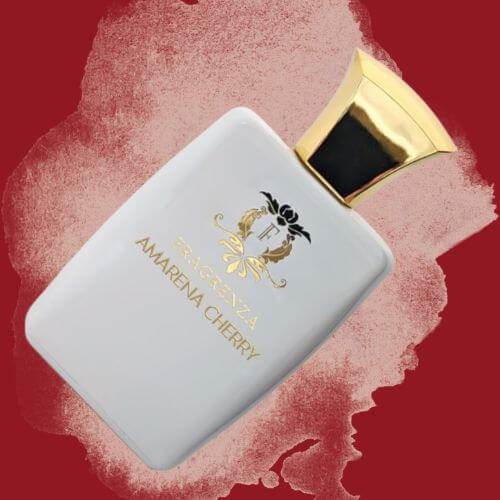
Amarena Cherry
Obsessed with cherry? If you want to really amp up the cherry scent, this Tom Ford Lost Cherry dupe will give Lost Cherry a run for its money. Black cherry, cherry syrup, and cherry liqueur all mingle together for an indulgent cherry overdose that’s complemented by notes of almond, tonka bean, Turkish rose, and jasmine sambac.
Musk, Amber, Animalic Smells
-
Our best sellers.
-
Adeline PDM Delina dupe Better Peach Tom Ford Bitter Peach dupe Chloris Gardenia Gucci Flora Gorgeous Gardenia dupe Fearless Love Kilian's Love, Don't Be Shy dupe Selvaggio Dior's Sauvage dupe Addict Noir YSL's Black Opium dupe Empress D&G's L'Imperatrice dupe Divino Bleu de Chanel dupe Lo amo J’Adore Dior dupe Pretty Girl Carolina Herrera's Good Girl dupe
-
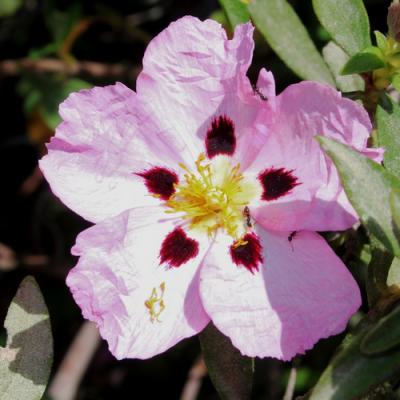
What Does Labdanum Smell Like?
Discover labdanum in perfumery — its warm, animalic, balsamic scent, history from ancient Mediterranean ritual to modern ambers, and its role in iconic fragrances.
-

What Does Patchouli Smell Like?
Patchouli smells like rich, dark earth — wet woods, chocolate, and aged leather. What it really smells like, why it’s linked to weed, and how to wear it.
-
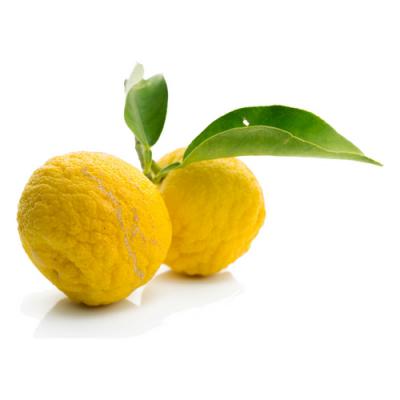
What Does Yuzu Smell Like?
What does yuzu smell like in perfumery? Explore this Japanese citrus note — its tart, floral-citrus scent, key aroma compounds, and how it elevates contemporary fragrance design.
-

What Does Amber Smell Like?
Discover what amber truly smells like in perfumery — from rare ambergris washed ashore to modern synthetics — and why it makes every fragrance warmer.

