

Collection: Lilac Fragrances
In perfumery, lilac is the very breath of late spring: a fine, powdery floral fragrance laced with nuances of honey and a jasmine-like green freshness. Because the flowers yield no usable natural extract, the note is lovingly reconstructed by perfumers, capturing the heady clusters of blossom that perfume entire streets for a few fleeting weeks each year. It opens green and dewy, almost watery, before unfolding into a rich, slightly creamy floral heart with hints of almond, anise and warm honey, finally softening into a tender powderiness. Lilac pairs beautifully with rose, lily-of-the-valley, heliotrope, green leaves and light musks. Its mood is nostalgic and romantic — open windows, garden hedges in bloom and the bittersweet loveliness of spring's end.

No products found
Curious about this note? Read our guide: Lilac in Perfumery: The Elusive Spring Bloom and Its Powdery Floral Magic
We don’t have a Lilac fragrance just yet — explore similar scents by family:
Woody · Oriental · Floral · Leather · Chypre · Aromatic · Citrus
Bestsellers our customers love
-
Amarena Cherry Amarena CherryVendor:Inspired by Tom Ford Lost CherryRegular price From $9.99Regular price
$390.00Sale price From $9.99Sale -
 Sold outSamples SamplesSold out
 -
Signorina Miele Signorina MieleVendor:Inspired by Dior Miss Dior ChérieRegular price From $9.99Regular price
$105.00Sale price From $9.99Sale -
Limone e Vaniglia Limone e VanigliaVendor:Inspired by Xerjoff LiraRegular price From $9.99Regular price
$305.00Sale price From $9.99Sale


About Lilac Fragrances
Lilac is one of nature's most evocative floral notes — a fleeting spring bloom whose sweet, powdery scent has captivated perfumers for generations. The lilac shrub, belonging to the Syringa genus of the Oleaceae family, blooms briefly each spring across temperate regions of Europe, Asia, and North America. Its blossoms range from the palest lavender to deep purple, and the scent they release is equally varied: soft and powdery in some varieties, intensely sweet and almost candy-like in others, occasionally edged with a faint green, almost herbal quality.
Capturing lilac in perfumery presents a unique challenge. Unlike rose or jasmine, lilac flowers do not yield a commercially viable natural extract through traditional methods such as steam distillation or cold enfleurage. Perfumers instead rely on synthetic accords to recreate the note — most commonly terpineol-based molecules that approximate lilac's clean, slightly spicy floral character. The result is a note that feels simultaneously familiar and elusive: fresh and airy at its core, with a soft musky undertone that makes it an ideal heart note in floral and fresh compositions.
In fine fragrance, lilac is beloved for its springtime innocence and romantic softness. It blends beautifully with rose, violet, and peony for lush floral bouquets, or with white musks and sandalwood for a more modern, minimalist interpretation. At Fragrenza, our lilac-forward inspired-by fragrances bring this beloved note to life in compositions designed to echo the world's most celebrated luxury perfumes — at a price that makes everyday wear a genuine pleasure.
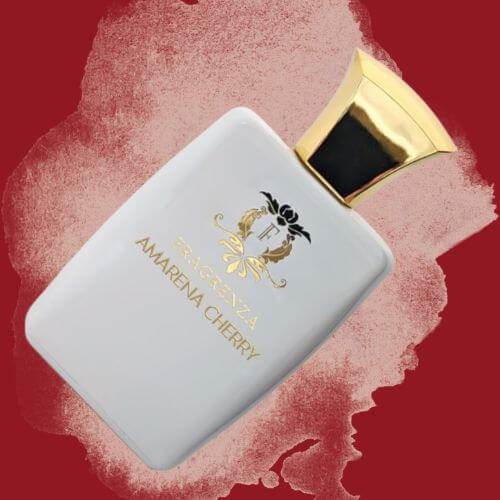
Amarena Cherry
Obsessed with cherry? If you want to really amp up the cherry scent, this Tom Ford Lost Cherry dupe will give Lost Cherry a run for its money. Black cherry, cherry syrup, and cherry liqueur all mingle together for an indulgent cherry overdose that’s complemented by notes of almond, tonka bean, Turkish rose, and jasmine sambac.
Flowers
Syringa vulgaris Oleaceae
-
Our best sellers.
-
Adeline PDM Delina dupe Better Peach Tom Ford Bitter Peach dupe Chloris Gardenia Gucci Flora Gorgeous Gardenia dupe Fearless Love Kilian's Love, Don't Be Shy dupe Selvaggio Dior's Sauvage dupe Addict Noir YSL's Black Opium dupe Empress D&G's L'Imperatrice dupe Divino Bleu de Chanel dupe Lo amo J’Adore Dior dupe Pretty Girl Carolina Herrera's Good Girl dupe
-
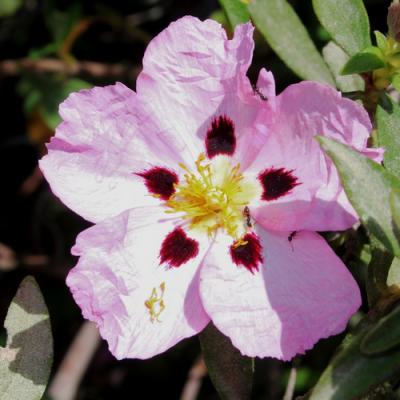
What Does Labdanum Smell Like?
Discover labdanum in perfumery — its warm, animalic, balsamic scent, history from ancient Mediterranean ritual to modern ambers, and its role in iconic fragrances.
-

What Does Patchouli Smell Like?
Patchouli smells like rich, dark earth — wet woods, chocolate, and aged leather. What it really smells like, why it’s linked to weed, and how to wear it.
-
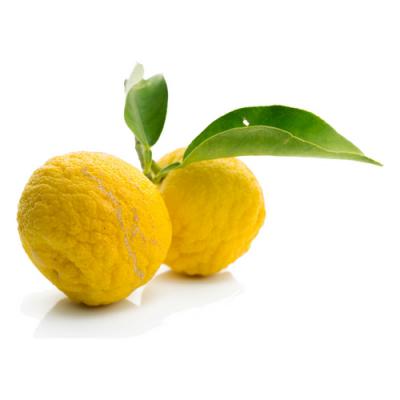
What Does Yuzu Smell Like?
What does yuzu smell like in perfumery? Explore this Japanese citrus note — its tart, floral-citrus scent, key aroma compounds, and how it elevates contemporary fragrance design.
-
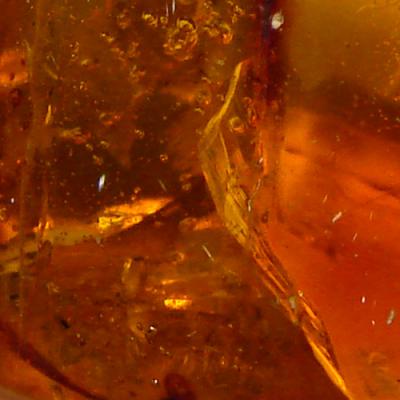
What Does Amber Smell Like?
Discover what amber truly smells like in perfumery — from rare ambergris washed ashore to modern synthetics — and why it makes every fragrance warmer.

