

Collection: Meat Fragrances
Meat brings one of perfumery's boldest novelty effects: a synthetically reproduced note replicating the savory scent of cooked meat. It opens with a smoky, roasted impression — seared edges, caramelized juices, a hint of charred wood — before softening into warmer, almost leathery animalic depth. The character is unapologetically savory and umami-rich, sitting far from conventional sweetness, though traces of fat-like lactones can lend it a strange comfort-food roundness. Used in trace amounts it adds intrigue and body to smoky leathers, boozy ambers, birch tar and spice-heavy compositions, where it reads as gourmand in the most literal sense. The mood it creates is provocative and primal: open flame, woodsmoke and appetite.

No products found
We don’t have a Meat fragrance just yet — explore similar scents by family:
Woody · Oriental · Floral · Leather · Chypre · Aromatic · Citrus
Bestsellers our customers love
-
Amarena Cherry Amarena CherryVendor:Inspired by Tom Ford Lost CherryRegular price From $9.99Regular price
$390.00Sale price From $9.99Sale -
 Sold outSamples SamplesSold out
 -
Signorina Miele Signorina MieleVendor:Inspired by Dior Miss Dior ChérieRegular price From $9.99Regular price
$105.00Sale price From $9.99Sale -
Limone e Vaniglia Limone e VanigliaVendor:Inspired by Xerjoff LiraRegular price From $9.99Regular price
$305.00Sale price From $9.99Sale


About Meat Fragrances
Meat as a fragrance note sits at the most daring frontier of niche and avant-garde perfumery — a category that embraces the animalic, the savory, and the uncompromisingly human. The meat accord in fragrance typically evokes something between raw protein and the deep umami of slow-cooked flesh: warm, fatty, slightly bloody, and profoundly animal. It draws on a lineage of animalic perfumery that includes civet and castoreum, but where those materials were used sparingly to add depth, the meat note places the animalic quality front and center, unashamed and confrontational.
Olfactorily, meat accords are constructed from a combination of animalic musks, fatty aldehydes, and sulfurous or metallic aroma molecules that together suggest warm, raw, or seared protein. They are not universally comfortable, which is precisely the point — they challenge the wearer and the observer alike, collapsing the boundary between perfume and body. In skilled hands, a meat note can be deeply sensual and even beautiful, functioning less as a literal food smell and more as an extreme expression of skin-like intimacy and primitive warmth.
Fragrances featuring meat accords are for the adventurous and the conceptually bold — those who see perfumery as art rather than simply personal care, and who want their scent to provoke thought and conversation. At Fragrenza, we celebrate this extraordinary corner of the olfactory world through premium-quality dupes of the most daring meat-note compositions, available at prices that invite exploration without financial commitment.
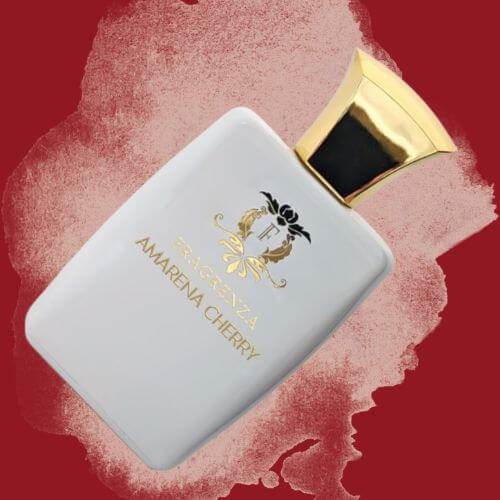
Amarena Cherry
Obsessed with cherry? If you want to really amp up the cherry scent, this Tom Ford Lost Cherry dupe will give Lost Cherry a run for its money. Black cherry, cherry syrup, and cherry liqueur all mingle together for an indulgent cherry overdose that’s complemented by notes of almond, tonka bean, Turkish rose, and jasmine sambac.
Musk, Amber, Animalic Smells
-
Our best sellers.
-
Adeline PDM Delina dupe Better Peach Tom Ford Bitter Peach dupe Chloris Gardenia Gucci Flora Gorgeous Gardenia dupe Fearless Love Kilian's Love, Don't Be Shy dupe Selvaggio Dior's Sauvage dupe Addict Noir YSL's Black Opium dupe Empress D&G's L'Imperatrice dupe Divino Bleu de Chanel dupe Lo amo J’Adore Dior dupe Pretty Girl Carolina Herrera's Good Girl dupe
-

What Does Labdanum Smell Like?
Discover labdanum in perfumery — its warm, animalic, balsamic scent, history from ancient Mediterranean ritual to modern ambers, and its role in iconic fragrances.
-

What Does Patchouli Smell Like?
Patchouli smells like rich, dark earth — wet woods, chocolate, and aged leather. What it really smells like, why it’s linked to weed, and how to wear it.
-
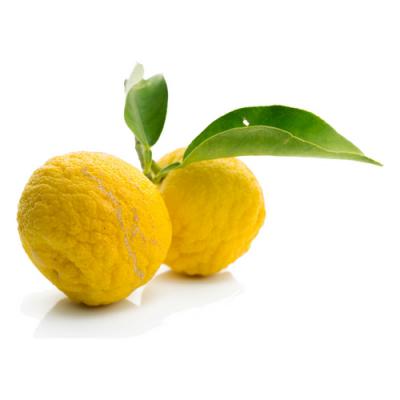
What Does Yuzu Smell Like?
What does yuzu smell like in perfumery? Explore this Japanese citrus note — its tart, floral-citrus scent, key aroma compounds, and how it elevates contemporary fragrance design.
-

What Does Amber Smell Like?
Discover what amber truly smells like in perfumery — from rare ambergris washed ashore to modern synthetics — and why it makes every fragrance warmer.

