

Chanel Coco Mademoiselle: The Story of a Fragrance That Defines Modern Femininity
By Julia MorettiFragrenza makes several of the alternatives featured in our guides — here’s how we test.
9 min read
Chanel Coco Mademoiselle launched in 2001 and rapidly became one of the bestselling feminine fragrances of the twenty-first century. The composition by Jacques Polge sits in the lineage of Coco (1984) and Coco Noir (2012), but it occupies a distinct position in the family. Where Coco is rich, oriental, and aimed at mature wearers, and Coco Noir is darker and more dramatic, Coco Mademoiselle is the lightest and most accessible of the three, designed deliberately for younger wearers entering the Chanel fragrance world for the first time.
The architectural success of Coco Mademoiselle has been considerable. The composition manages to feel both contemporary and classical, both youthful and sophisticated, both fresh and warm. These pairings are notoriously difficult to achieve in fragrance development, and the fact that Coco Mademoiselle delivers them so consistently is part of why the composition has endured across two decades while many of its launch-year contemporaries have faded from the market.
Understanding Coco Mademoiselle requires understanding both what the composition does well and what it deliberately avoids. The composition is engineered for broad appeal, which means certain architectural choices that more ambitious compositions would make have been smoothed away. For wearers who love Coco Mademoiselle but want to explore similar territory with more architectural depth, several niche alternatives offer interesting paths into the family.
The Cultural Context
Coco Mademoiselle entered the market at a moment when feminine fragrance was shifting in interesting directions. The fruity floral category was emerging as a major commercial force, and the line between fresh and warm fragrances was becoming more permeable. Chanel's challenge was to produce a composition that would appeal to a younger demographic without compromising the brand identity established by classical Chanel releases like No 5 and Coco.
The solution Jacques Polge developed was architecturally elegant. The composition opens with bergamot and orange, providing the freshness that the younger demographic expected. The heart develops with rose, jasmine, mimosa, and ylang-ylang, providing the floral complexity that signalled Chanel quality. The base develops with patchouli, vanilla, white musk, and vetiver, providing the depth and longevity that distinguished the composition from purely commercial fresh florals. The result is a fragrance that succeeds across multiple wearings and across the developmental phases of its olfactory pyramid, which is much harder to achieve than it sounds.
The Architectural Breakdown
The brilliance of Coco Mademoiselle lies in how it manages transitions. The opening is bright and sparkling without being thin. The heart develops the floral complexity without becoming heavy. The base anchors the composition without overwhelming the upper notes. This developmental coherence is what allows Coco Mademoiselle to be worn across contexts that would normally require different fragrances. The same composition works for daytime social occasions and evening events, for warm weather and cool weather, for younger wearers and more mature wearers.
The cost of this architectural versatility is a certain restraint in the compositional ambition. Coco Mademoiselle does not take significant architectural risks. The note combinations are well-tested. The proportions are calibrated for broad acceptance. The materials are commercial-grade without being notably distinguished. For wearers who want the broader emotional register that Coco Mademoiselle occupies but with more architectural depth, niche alternatives offer interesting options.
Pick One: Pompeii Fantasy
Pompeii Fantasy
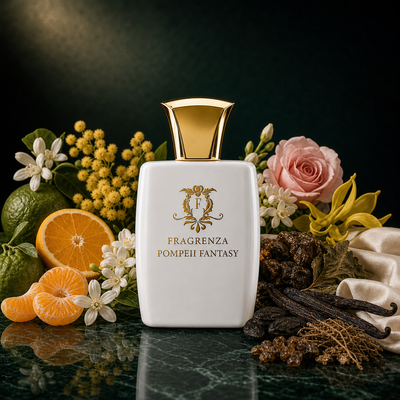
This is the alternative for Coco Mademoiselle wearers who want to explore the territory with niche-grade material quality. The amber base is more architecturally developed, the floral heart is more multifaceted, and the overall composition reads as more deliberate rather than purely commercial.
Pick Two: Rose Choral
Rose Choral
takes a different angle into the territory, foregrounding the rose facet of the floral heart that Coco Mademoiselle treats more abstractly. The composition uses rose as a polyphonic material with multiple voices (green, peppery, honeyed, metallic) that can be heard simultaneously, producing a rose-centric reading of the broader feminine-floral territory that Coco Mademoiselle occupies.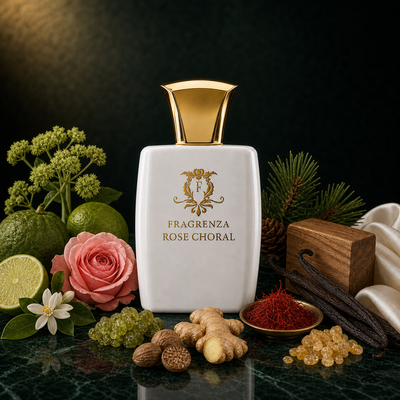
This is the alternative for Coco Mademoiselle wearers who respond most strongly to the floral heart of the composition and want a more focused exploration of rose as a primary material. The composition delivers significantly more rose complexity than Coco Mademoiselle while maintaining the wearable accessibility that makes the reference fragrance so successful.
Pick Three: Sensual Flame
Sensual Flame
approaches the territory from the warm-floral angle. The composition uses a creamy floral heart against a spiced amber base, with a touch of fruited brightness in the top that recalls the optimistic energy of Coco Mademoiselle while delivering a much warmer, more enveloping base. This is the alternative for wearers who love the floral heart of Coco Mademoiselle but want a richer architectural foundation underneath.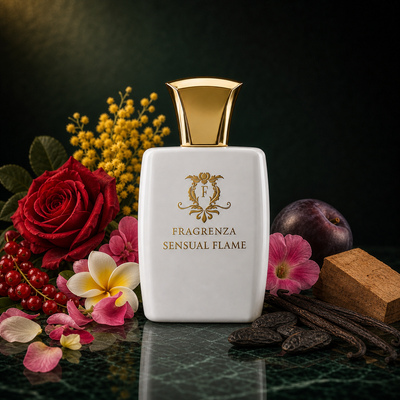
The compositional architecture is more deliberate than Coco Mademoiselle, with materials that hold their character across long wearings rather than fading after a few hours. The composition reads as more adult than Coco Mademoiselle, which some wearers prefer and others find too dense for daily wear.
Pick Four: Red Jasmin
Red Jasmin
foregrounds the jasmine that has always been part of the Coco Mademoiselle floral chord. The composition treats jasmine as a multifaceted material, drawing out its indolic, slightly fruited, and warm-honeyed sides simultaneously. This is the alternative for Coco Mademoiselle wearers who want to explore the jasmine heritage of the territory more deeply rather than experiencing jasmine only as one element in the broader floral heart.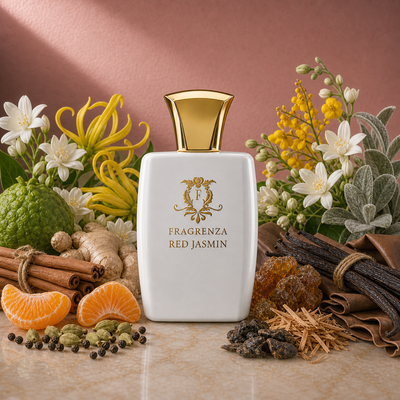
The architectural emphasis on jasmine produces a composition that feels more focused and more architecturally serious than the abstract floral approach of Coco Mademoiselle. Wearers seeking to deepen their understanding of jasmine as a primary material will find Red Jasmin a serious exploration of the family.
Pick Five: Melipona
Melipona
offers a modern-restrained interpretation of the romantic-feminine territory. Built on iris, pear, and pink pepper at the opening with a soft coffee-chocolate dry-down, Melipona delivers the Skin Scents 2.0 register — skin-close warmth without dense floral volume — which suits wearers who want the emotional comfort of Coco Mademoiselle without the floral structure being the dominant statement. This is a softer, more enveloping reading that recalls the comforting feeling of Coco Mademoiselle in its quieter dry-down moments rather than trying to recreate the specific note combinations.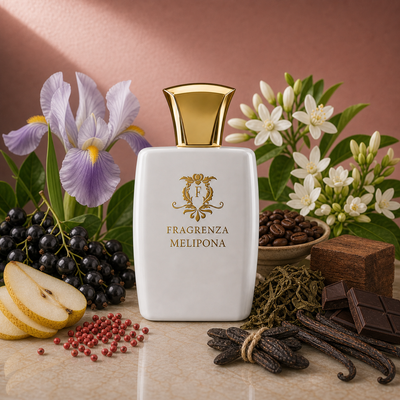
Wearers who reach for Coco Mademoiselle in moments of self-care or comfort will find Melipona particularly compelling. The iris-led structure feels adult and refined, and the coffee-chocolate undertone provides quiet warmth without sweetness fatigue. It functions like a hug rather than a statement, which is one of the qualities that draws long-term Coco Mademoiselle wearers to the bottle.
How to Choose Between Them
The decision among these five depends on which facet of Coco Mademoiselle matters most to you. Choose Pompeii Fantasy if you want the closest architectural analogue with niche-grade depth. Choose Rose Choral if the floral heart is what you respond to most. Choose Sensual Flame if you want a warmer architectural foundation. Choose Red Jasmin if you want to explore the jasmine heritage with focused intent. Choose Melipona if you want a modern-restrained iris-led comfort fragrance that recalls the dry-down warmth of Coco Mademoiselle.
Several of these compositions can coexist productively in a fragrance wardrobe, since they emphasise different facets of the broader Coco Mademoiselle territory. A wearer who keeps Pompeii Fantasy for daily wear, Sensual Flame for evening, and Melipona for cosy weekends has built a richer feminine-floral wardrobe than Coco Mademoiselle alone could provide.
How to Wear These Compositions
All five compositions reward intentional wearing in contexts where Coco Mademoiselle performs at its best: social occasions, romantic contexts, professional events, days when the wearer wants a sense of feminine presence. Application should be measured, as these niche compositions generally project more than mainstream luxury releases and reward subtle application over generous spraying.
Related Reads
- Chanel No 5 cinema: the lineage Coco Mademoiselle entered
- Chanel No 5 bottle design: Chanel design heritage
- Best Miss Dior alternatives: adjacent feminine territory
- Rose in Perfumery: the foundation of Rose Choral
- Jasmine in Perfumery: the heart of Red Jasmin
- How to choose your signature scent: framework for feminine wardrobes
- Exploring niche fragrances: architectural depth in the floral family
Frequently Asked Questions
Why is Coco Mademoiselle so popular?
Because it succeeds at a notoriously difficult fragrance development challenge: producing a composition that feels both contemporary and classical, both youthful and sophisticated, both fresh and warm. The architectural choices Jacques Polge made in 2001 have proven remarkably durable, and the composition continues to work across contexts that would normally require different fragrances. The combination of versatility and recognisable Chanel quality has produced sustained commercial success across two decades.
Are these alternatives cheaper than Coco Mademoiselle?
Generally yes, especially on a per-millilitre basis at comparable concentrations. The value proposition lies in architectural depth and longevity that match or exceed Coco Mademoiselle without the luxury markup associated with the Chanel brand. The compositional quality is competitive, with the differential accounted for primarily by marketing and distribution costs.
Which alternative is closest to Coco Mademoiselle?
Pompeii Fantasy is the most architecturally adjacent of the five, emphasising the floral-amber dialogue that defines Coco Mademoiselle with comparable structural intent. The other alternatives explore different facets of the broader olfactory family rather than approaching the central composition directly. Wearers looking for the closest analogue should start with Pompeii Fantasy.
Can I layer these alternatives with each other?
Some combinations work beautifully. Pompeii Fantasy and Melipona share a refined sensibility that can layer in cooler weather. Sensual Flame and Red Jasmin both emphasise floral hearts and combine to produce denser floral statements. Avoid layering more than two compositions at once, as the architectural complexity can collide and produce muddled rather than enhanced effects.
Will these alternatives work for women who do not wear traditional florals?
Yes. Several of the alternatives offer non-traditional readings of the broader Coco Mademoiselle territory. Sensual Flame leans warm and amber-adjacent. Melipona leans iris-led and skin-close. These options provide paths into the territory for wearers who find conventional florals too overtly feminine and want compositions with more architectural complexity.
How long do these alternatives last on skin?
All five compositions deliver substantially better longevity than Coco Mademoiselle, generally producing eight to twelve hours of wear with proper application. The niche-grade material quality and more generous concentrations of base materials contribute to this longevity advantage, which is one of the practical reasons many Coco Mademoiselle wearers switch to these alternatives once they discover them.
The Bottom Line
Coco Mademoiselle is one of the most architecturally successful mainstream luxury feminine compositions of the past two decades, and its broad appeal is the consequence of careful architectural choices that achieve genuine versatility. The five alternatives discussed here offer different paths into the territory it occupies, each delivering more compositional depth than the mainstream reference. Identify which facet of Coco Mademoiselle matters most to you, choose the alternative that emphasises that facet, and consider building a small wardrobe across the picks if you respond strongly to this olfactory family.