

Chanel No. 5: Why the World's Most Famous Fragrance Has Never Been Surpassed
Chanel No. 5 launched in 1921, composed by Ernest Beaux for Coco Chanel, and has been the most famous fragrance in the world ever since
By Julia MorettiFragrenza makes several of the alternatives featured in our guides — here’s how we test.
14 min read
Chanel No. 5: The Most Famous Fragrance in the World
Chanel No. 5 launched in 1921, composed by Ernest Beaux for Coco Chanel, and has been the most famous fragrance in the world ever since. The legendary brief from Chanel — "I want a fragrance that smells like a woman, not a flower" — produced a composition built around aldehydes (synthetic molecules that smell crisp, slightly soapy, and abstract rather than literally floral) paired with rose, jasmine, and ylang-ylang.
The result was unlike anything that had come before. Pre-1921 feminine perfumery had been dominated by single-note florals or heavy orientals; Chanel No. 5 deployed aldehydes as the structural backbone of a composition that read as abstract-modern rather than literal-naturalistic. The fragrance immediately defined a new category that would dominate luxury perfumery for the next fifty years, and the 1950s Marilyn Monroe association ("five drops of Chanel No. 5" as her sleepwear) cemented the cultural permanence.
One hundred and five years later, Chanel No. 5 remains the most recognised fragrance name in the world. The composition has been reformulated multiple times (most recently in the 2010s for IFRA compliance), but the core aldehydic-floral architecture remains intact.
The Architecture
The opening is the most distinctive aldehydic accord in perfumery. Aldehydes (specifically C-10, C-11, and C-12 aldehydes) provide a crisp, slightly fatty, almost soapy lift that gives No. 5 its abstract-modern character. Quiet citrus and ylang-ylang support the aldehydes in the opening.
The heart unfolds into the full floral chorus. Rose, jasmine, lily of the valley, and orris work together as a single abstract floral accord rather than as separable notes. The composition reads as the idea of femininity rather than as a particular flower — which was exactly Chanel's design brief.
The base is anchored by vetiver, sandalwood, vanilla, and musks. The vanilla is restrained; the sandalwood is creamy but quiet; the vetiver provides earthy grounding without overwhelming the floral character. No. 5 performs eight to twelve hours on most skin types, with strong projection in the first two hours.
Why No. 5 Has Never Been Surpassed
Three reasons.
First, the architectural choice itself was uniquely successful. Aldehydic-floral as a structural family has been imitated extensively but never improved upon as a feminine-classical statement. Every aldehydic-floral release since 1921 has been measured against No. 5 — and almost none have matched it.
Second, the cultural permanence is irreproducible. No. 5 has been associated with so many of the twentieth century's defining feminine figures (Coco Chanel herself, Marilyn Monroe, Catherine Deneuve in the 1968 campaigns, Nicole Kidman in the 2004 short film) that the fragrance has become part of the cultural vocabulary of femininity itself. No subsequent fragrance has built that kind of cultural weight, and probably none ever will.
Third, Chanel has maintained the fragrance with care across more than a century. The reformulations have been minimal and respectful of the original architecture. The same perfumery house has composed every iteration. The brand has resisted the temptation to dilute the line with cheap flankers or aggressive marketing extensions. The result is a fragrance that has aged gracefully across five generations of wearers.
How to Think About Alternatives
Chanel No. 5 is genuinely difficult to dupe. The aldehydic-floral architecture is unusual in modern perfumery — most contemporary feminine releases use cleaner, less abstract structures — and the specific aldehyde-rose-jasmine-ylang accord that defines No. 5 has been imitated but never reproduced at affordable price points. Quality dupe houses including Fragrenza tend not to offer direct No. 5 alternatives because the architecture is too specifically tied to Chanel's house style.
What the Fragrenza catalog does offer is adjacent feminine-classical territory through different architectural families. For wearers who love No. 5 for the aldehydic-clean character,
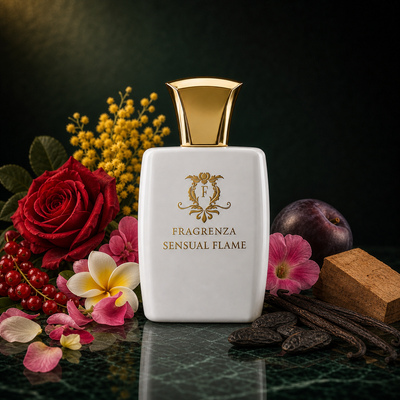
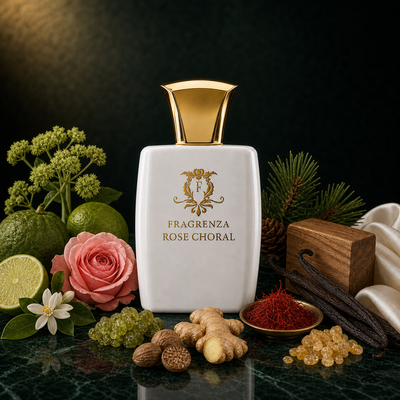
provides a clean-modern-feminine wear in a Skin Scents 2.0 register. For wearers who love No. 5 for the floral chorus, (Sensual Flame) and provide different floral-feminine paths. For wearers who love No. 5 for the warm-feminine base,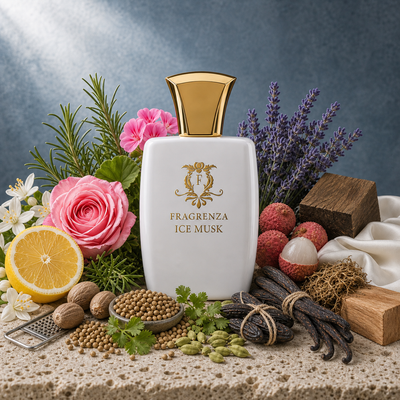
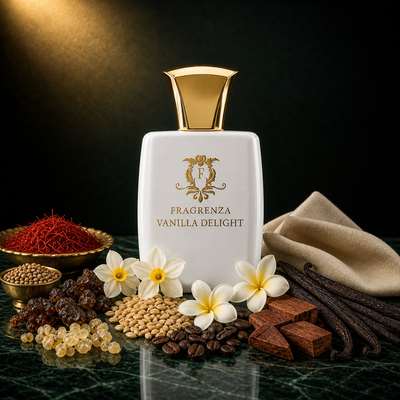
The honest answer is that No. 5 has no direct alternative — it is too specifically itself. The Fragrenza approach is to cover the adjacent emotional territory through different architectural families rather than to attempt a direct dupe that would inevitably feel like a thinner version of the original.
Wearing No. 5
No. 5 performs best in autumn and winter, when the aldehydic-floral architecture can project against cooler air. In summer the composition can read as slightly dated or matronly; in spring it can read as luminous and appropriate. The fragrance is fundamentally evening-coded — the projection is too confident for casual daytime wear in most contexts.
Apply to pulse points: wrists, neck, the inside of the elbow. With a fragrance this confident, one or two sprays is sufficient. The Eau de Parfum concentration is more wearable for daily use than the Parfum extrait, which is reserved for special occasions.
Related Reads
- Rose in Perfumery — the heart material that anchors No. 5
- Jasmine in Perfumery — the white-floral chorus
- Best Chanel No. 5 Alternatives 2026 — the adjacent territory coverage
- Skin Scents 2.0 — the modern alternative to aldehydic-classical
- Sandalwood in Perfumery — the base note that grounds No. 5
Frequently Asked Questions
When was Chanel No. 5 launched?
Chanel No. 5 launched in 1921, composed by Ernest Beaux for Coco Chanel. The fragrance arrived at a moment when feminine perfumery was dominated by single-note florals and heavy orientals; No. 5 broke from both traditions by deploying aldehydes as the structural backbone of an abstract-modern feminine composition. Over a century later, the fragrance remains in continuous production and continues to set the cultural reference point for aldehydic-floral perfumery.
What are aldehydes in perfumery?
Aldehydes are synthetic molecules that smell crisp, slightly fatty, almost soapy, and chemically abstract rather than literally floral or fruity. They were developed in the late 19th century but only deployed as primary perfumery materials in the early 20th century. Chanel No. 5 was the first major luxury fragrance to use aldehydes as structural backbone, and the post-1921 aldehydic-floral category that followed (Madame Rochas, Arpege, White Linen) all owes a direct architectural debt to No. 5's structural choice.
Why is Chanel No. 5 so expensive?
The cost reflects both the materials and the Chanel house positioning. Real rose and jasmine absolutes (which No. 5 still uses in meaningful quantities) are among the most expensive raw materials in perfumery, and Chanel sources the highest grades available. The brand also operates at the top of the luxury fragrance pricing tier, where pricing reflects positioning and heritage as much as cost-of-goods. Combined, these factors place No. 5 at premium price points.
Has Chanel No. 5 been reformulated?
Multiple times across its century-long history. Most reformulations have been for IFRA compliance (restrictions on specific perfumery materials based on safety research). The core aldehydic-floral architecture has been preserved across all reformulations, and the same Chanel perfumery house has overseen every iteration. The most recent reformulations took place in the 2010s and were minimal compared to the dramatic reformulations many other classic fragrances have undergone over the same period.
Can men wear Chanel No. 5?
Yes, in practice, though the marketing is firmly feminine. The aldehydic-floral architecture is gender-neutral as a structural family; many men have adopted No. 5 as a signature, with Pharrell Williams being one of the most prominent contemporary examples. The fragrance's abstract-modern character reads as sophisticated rather than gendered on male skin, particularly in the cooler dry-down phases where the sandalwood and vetiver come forward.
What season is Chanel No. 5 best for?
Autumn and winter peak season, with extension into spring for daytime wear. The aldehydic-floral architecture benefits from cooler skin temperatures, which moderate the projection and reveal the structural depth of the floral chorus and woody base. Summer can be challenging due to projection intensity, particularly in warm indoor settings. For warm-weather wear, the Eau de Toilette concentration is more appropriate than the Eau de Parfum or Parfum extrait.
The Bottom Line
Chanel No. 5 is the most famous fragrance in the world, and that is unlikely to change. The Fragrenza approach is to cover the adjacent emotional territory through different architectural families rather than attempt a direct dupe. For wearers who love No. 5, the Fragrenza catalog offers multiple paths into the wider feminine-classical wardrobe.
Chanel N°5 and the Broader Twentieth-Century Aldehyde-Floral Heritage
Chanel N°5 launched in 1921 and represents one of the most historically significant fragrance compositions in twentieth-century perfumery, with the broader composition establishing the aldehyde-anchored floral feminine category that subsequent commercial and luxury perfumery has continued to engage with across more than a century of continuous production. The original Ernest Beaux composition introduced the broader aldehydic compositional approach as a substantial commercial perfumery innovation, with the resulting wear-experience characteristics distinctly different from the broader pre-aldehyde feminine perfumery traditions that dominated nineteenth-century commercial perfumery.
The broader Chanel N°5 franchise has expanded substantially across more than a century of production, with the broader N°5 family now including N°5 Eau de Parfum (the broader concentration discussed in the article above), N°5 Eau de Toilette (the broader lighter concentration), N°5 Parfum (the broader most-concentrated extract variant), N°5 L'Eau (the broader contemporary lighter modernised flanker), N°5 L'Eau Premiere (the broader modernised aldehyde-restrained variant), and various other N°5 franchise entries that collectively define the contemporary N°5 ecosystem. Each variant occupies a slightly different position within the broader N°5 aesthetic framework.
The Modern Aldehyde-Floral Heritage-Classic Category
The aldehyde-floral heritage-classic feminine category that N°5 anchors has been discussed extensively in adjacent articles in this series, particularly in the broader aldehyde-floral articles and the adjacent twentieth-century heritage-classic feminine compositions. The broader category includes substantial diversity across multiple specific architectural positions, with individual compositions occupying slightly different positions within the broader aldehyde-floral framework. N°5 occupies the foundational position within this broader category because the broader composition established the category framework that subsequent compositions have continued to develop.
What distinguishes N°5 within this broader category is the specific original aldehyde-floral architectural register that the 1921 composition established and that contemporary N°5 production continues to maintain across more than a century of continuous formulation. The composition reads as recognisably heritage-classic-French rather than as contemporary commercial-designer feminine, with the broader aldehyde-floral aesthetic sensibility producing an emotional register that contemporary commercial-designer alternatives typically do not match. For wearers building wardrobes that include heritage-classic feminine compositions, N°5 provides the foundational reference point for the broader aldehyde-floral category.
The Specific Material Vocabulary That Defines N°5
The aldehyde-anchored opening that defines N°5's distinctive identity deserves examination because the specific aldehyde character substantially affects how the broader composition wears. Aldehydes as perfumery materials provide a specific bright-sparkling-soapy-clean character that the 1921 N°5 composition introduced to commercial perfumery at substantial concentrations that subsequent commercial perfumery typically employed at substantially lower concentrations. The N°5 aldehyde treatment leans toward the substantial concentration that defines the broader composition's distinctive opening character, producing a wear experience that reads as recognisably aldehyde-forward.
The floral heart that supports N°5's aldehyde opening combines ylang-ylang, jasmine, rose, and various supporting floral elements that collectively produce the substantial multi-petaled floral architectural body. The combination of substantial floral concentration with substantial aldehyde opening produces the broader N°5 aesthetic that the composition has maintained across more than a century. The sandalwood, vanilla, and musk base provides the architectural foundation that gives N°5 its sustained-wear character and the distinctive substantial-feminine-classic emotional register that defines the broader composition.
Wear Context: When N°5 Functions at Its Best
Chanel N°5 Eau de Parfum is a year-round, daytime-to-evening, semi-formal-to-formal feminine composition that performs at its best in social contexts where the substantial heritage-classic aldehyde-floral emotional register matches the social setting. The composition handles temperate weather (roughly five to twenty-five degrees Celsius) particularly well, with the substantial concentration providing enough body to function across temperate conditions while the heritage-classic character avoiding the over-projection problems that affect heavier contemporary commercial feminine alternatives. Formal social occasions, weddings, formal professional environments where heritage-classic projection is welcomed, and adjacent contexts where the broader N°5 cultural recognition adds dimensional emotional context are the natural wear contexts.
The contexts where N°5 is less optimal are also worth knowing. Contemporary casual settings may find the substantial heritage-classic aldehyde-floral character unexpected enough to read as overly formal for the social register. Hot tropical weather can amplify the substantial aldehyde opening uncomfortably for very temperature-sensitive wearers. Settings where contemporary commercial-designer projection is specifically expected may find the broader N°5 heritage-classic character unexpected. Building a wardrobe around N°5 typically means treating it as a versatile heritage-classic primary for formal-occasion and confident-feminine contexts.
The Chanel N°5 Pricing and Practical Investment Considerations
Chanel N°5 Eau de Parfum operates at substantial luxury-commercial pricing typically in the one hundred and seventy to two hundred dollar range for one hundred millilitre bottles through authorised retail distribution. The pricing reflects partly the substantial material concentrations that the N°5 compositional approach supports and partly the broader Chanel luxury-commercial brand positioning that the broader N°5 franchise occupies. For most wearers, daily-wear sustainability at this pricing tier is meaningfully more practical than substantially more expensive luxury-niche alternatives.
The wardrobe-building implication is that consumers exploring the broader N°5 aesthetic can typically acquire the Eau de Parfum or adjacent N°5 franchise variants at sustainable economic terms. The combination of accessible-luxury N°5 pricing with broader inspired-by market coverage in adjacent aesthetic territories produces wardrobes that combine sophisticated heritage-classic luxury capability with sustainable daily-wear economics across the broader contemporary fragrance market.
How Inspired-By Alternatives Sit Around N°5
The inspired-by market for N°5 specifically is more developed than for many adjacent heritage-classic luxury references because the broader N°5 aesthetic territory has substantial commercial appeal that supports multiple inspired-by alternatives at multiple price tiers. Most accessible-price alternatives that target the broader aldehyde-floral heritage-classic territory operate at slightly different compositional approaches than the specific N°5 positioning, with the result that adjacent inspired-by alternatives provide useful broader category coverage but cannot fully reproduce the specific N°5 heritage-classic wear-experience characteristics.
For wearers who specifically value the broader aldehyde-floral aesthetic without requiring the specific N°5 heritage-classic positioning, accessible-price alternatives in adjacent aldehyde-floral and floral-classic territories can build comprehensive coverage at sustainable economic terms. The broader Fragrenza catalogue provides useful coverage of these adjacent territories at price points that make daily wear economically practical across multiple wardrobe positions.
The Broader Chanel Feminine Catalogue and Wardrobe Approach
For wearers exploring the broader Chanel feminine catalogue, the substantial brand diversity provides useful organisation for wardrobe-building decisions. The Chanel feminine catalogue includes N°5 (the broader aldehyde-floral heritage-classic foundational entry discussed in the article above), N°19 (the broader green-iris-floral classic), Coco (the broader oriental-spicy classic), Coco Mademoiselle (the broader contemporary patchouli-citrus standard discussed extensively in adjacent articles in this series), Chance (the broader fresh-floral family), Allure (the broader oriental-floral family), Gabrielle (the broader contemporary white-floral entry), Comète (the broader contemporary iris-anchored entry), and various other Chanel feminine compositions.
For wearers building wardrobes with Chanel awareness, selective acquisition across multiple Chanel compositions targeting different specific aesthetic positions provides more interesting wardrobes than redundant acquisition within a single position. The combination of selective Chanel investment with accessible-price daily-wear coverage from the broader Fragrenza catalogue and adjacent inspired-by market produces wardrobes that combine sophisticated heritage-classic and contemporary Chanel capability with sustainable daily-wear economics.
Sampling Strategy for Heritage-Classic Aldehyde-Floral Compositions
Heritage-classic aldehyde-floral compositions like N°5 require careful sampling because the broader heritage-classic character that defines the broader category can read substantially different across various sampling environments. The reliable sampling protocol is to acquire a proper decant or sample, apply two sprays to clean skin in a low-fragrance environment, and evaluate at the thirty-minute, two-hour, four-hour, eight-hour, and twelve-hour marks. The four-to-eight-hour evaluation window is particularly important because the aldehyde-floral-base integration reaches its most distinctive heritage-classic expression in that window.
Side-by-side comparison with adjacent N°5 franchise variants (Eau de Parfum, Eau de Toilette, Parfum, L'Eau, L'Eau Premiere, and adjacent N°5 entries) provides useful comparative information about which specific N°5 variant best matches your aesthetic preferences. Most wearers who do this cross-variant comparison find that the various N°5 franchise entries occupy slightly different specific positions rather than directly substituting for each other, which informs more sophisticated within-franchise wardrobe-building decisions.
Final Notes on N°5 and the Heritage-Classic Investment
Chanel N°5 Eau de Parfum is one of the most culturally and architecturally significant heritage-classic feminine compositions in contemporary perfumery, with the specific aldehyde-floral architectural register that established the broader aldehyde-floral category framework and that contemporary N°5 production continues to maintain across more than a century of continuous formulation. The composition deserves serious consideration for wearers exploring the broader heritage-classic feminine category, particularly wearers who specifically value the broader cultural-historical positioning that aged-classic compositions provide.
For wearers exploring the broader Chanel feminine catalogue and the broader heritage-classic aldehyde-floral category, sampling N°5 alongside adjacent Chanel feminine compositions and broader heritage-classic feminine alternatives provides comprehensive comparative information across the broader landscape. The combination of selective Chanel investment for compositions that specifically warrant the luxury-commercial pricing with accessible-price daily-wear coverage from the broader Fragrenza catalogue and adjacent inspired-by market produces wardrobes that combine sophisticated heritage-classic capability with sustainable daily-wear economics. The heritage-classic position that N°5 represents continues to provide foundational reference for the broader aldehyde-floral category, and the broader N°5 franchise rewards careful exploration across multiple concentration variants and franchise entries.