


10 Perfumes Similar to Loumari Porthole: Spicy Aromatic Scents
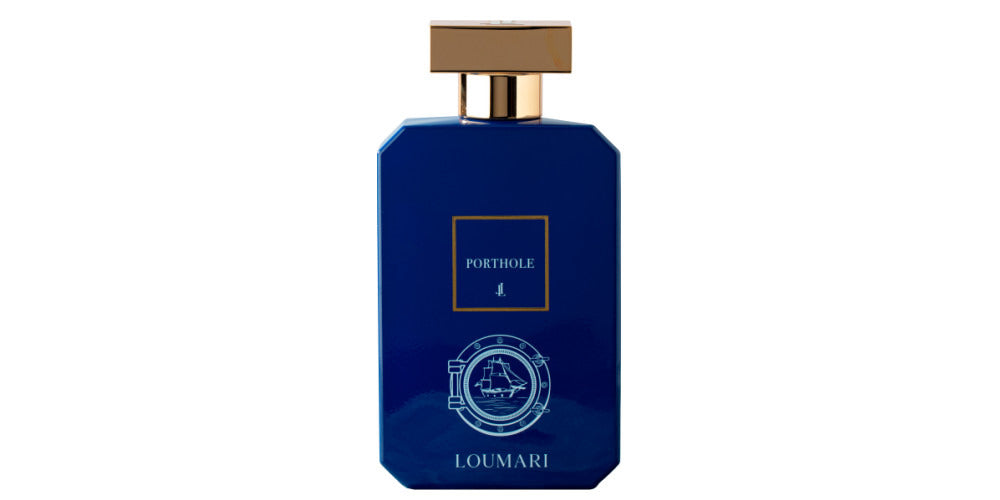
Porthole by Loumari is a smoldering spiced-tobacco composition that finds its identity at the intersection of aromatic warmth and dark resinous depth. The opening announces itself with confidence — warm spices, cured tobacco, and a resinous backbone that suggests candlelight and aged oak rather than sweetness or freshness. Unlike many tobacco fragrances that polarize between syrupy-sweet and austerely dry, Porthole navigates the middle passage: aromatic herbs keep it from becoming suffocating, while the tobacco and resin anchor it firmly in dark, enveloping territory. It is a fragrance for those who want substance without heaviness, complexity without confusion.
What Makes Porthole Special
The genius of Porthole lies in its balance. Spiced tobacco fragrances are notoriously difficult to execute — too much vanilla and they become cloying; too much dryness and they become austere; too much spice and they become aggressive. Porthole threads this needle by giving each element its own distinct space. The aromatic top notes provide an entry point that prevents the richness from feeling overwhelming; the tobacco heart develops gradually rather than arriving all at once; and the resinous base provides a long, slow fade that rewards patience. The result is a fragrance that improves throughout the day, each phase revealing new facets of the same warm, smoldering DNA.
1. Tom Ford Tobacco Vanille
The benchmark for sweet tobacco fragrances, Tobacco Vanille wraps cured Virginia tobacco in vanilla, tonka, dried fruit, and a spice-cabinet warmth that has made it one of the most referenced fragrances in the niche community. It shares Porthole’s enveloping tobacco character and warm spice presence, though Tom Ford pushes decisively into gourmand territory — the vanilla is rich, the sweetness is overt, and the overall effect is more dessert than dockside. Porthole maintains greater aromatic restraint and spice complexity; Tobacco Vanille prioritizes comfort and sweetness above all else.

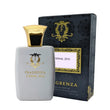
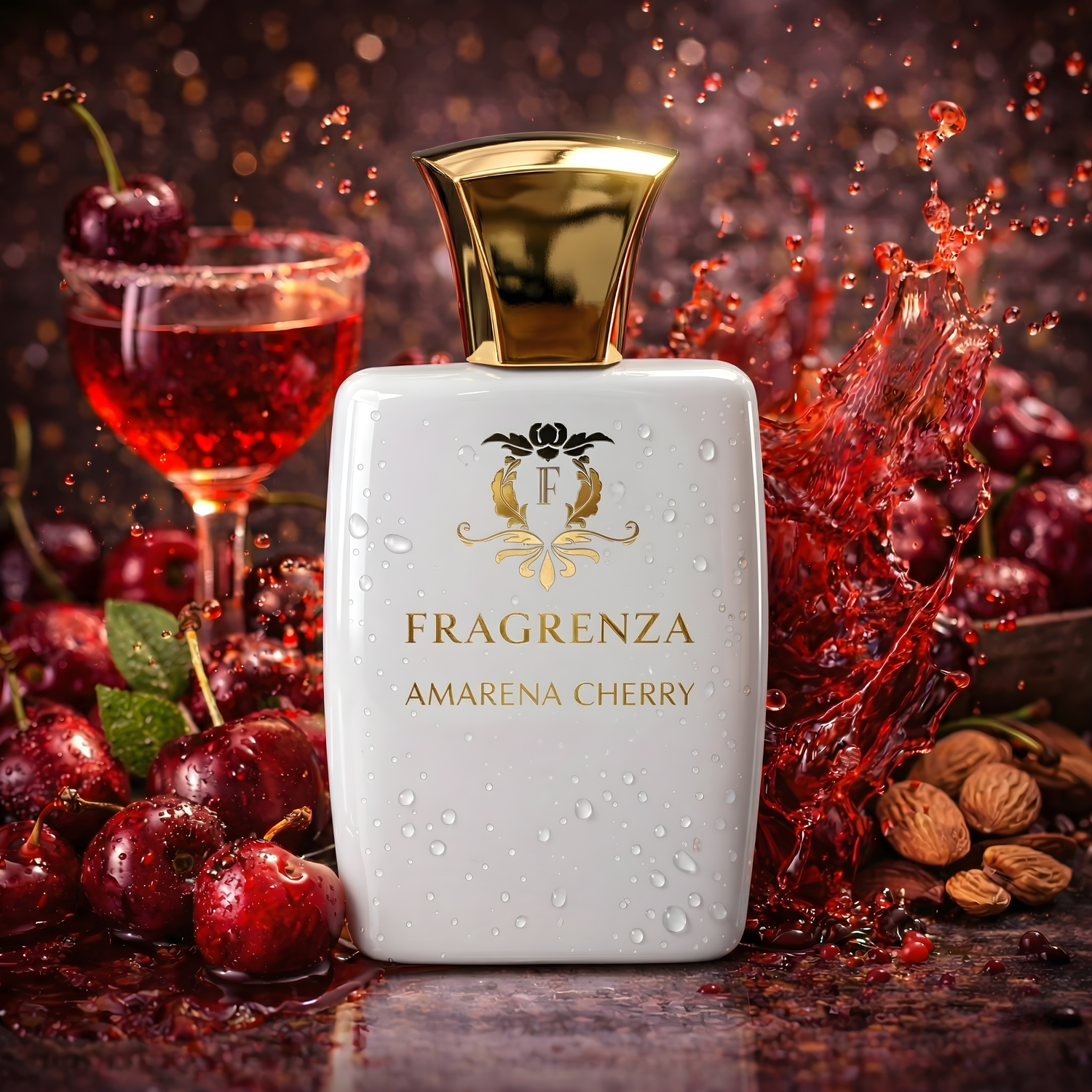
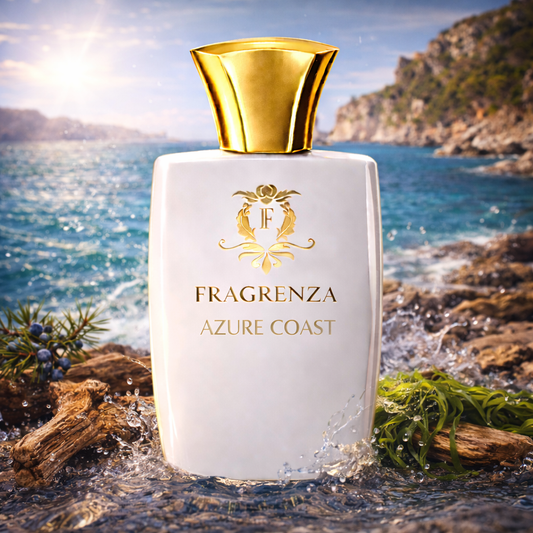
Bologna Dreams by Fragrenza
Bologna Dreams translates the sweet tobacco-vanilla DNA into a beautifully crafted interpretation that honors the warmth and enveloping quality of the original while maintaining its own distinct character. The tobacco note is genuine and well-rendered, the vanilla adds sweetness without overwhelming the composition, and the overall effect is a sophisticated, wearable tobacco fragrance with excellent longevity. For those drawn to Porthole’s tobacco warmth but seeking an alternative at a different price point, Bologna Dreams is an outstanding option.
2. Parfums de Marly Hérod
Hérod is arguably Porthole’s closest mainstream DNA sibling — a structured spiced tobacco built on Virginia tobacco, cinnamon, pepper, cardamom, and a creamy vanilla-patchouli base. The shared spice-tobacco-warm-base architecture is unmistakable: both fragrances prioritize the interplay between aromatic spice and cured tobacco, and both arrive at similar conclusions about the proper role of sweetness (present but subordinate). Hérod is perhaps slightly richer and more overtly creamy in its vanilla-patchouli base; Porthole is more aromatic and herbal in its spice development. These are differences of degree rather than kind.

Harrod by Fragrenza
Harrod captures Hérod’s signature spiced tobacco elegance with impressive fidelity. The cinnamon-and-tobacco heart is warm and confident, the base adds depth without becoming heavy, and the projection is well-calibrated for year-round wear. Placed alongside Porthole, Harrod represents the slightly more polished, Parisian-maison approach to spiced tobacco — refined and structured where Porthole is warmer and more aromatic.
3. Mancera Red Tobacco
Red Tobacco adds a fruity, rum-soaked dimension to its tobacco foundation — cinnamon, red berries, rose, and a hint of rum weaving through the warm tobacco base. It shares Porthole’s aromatic spice complexity and tobacco warmth, though the berry-and-rum facet takes it in a more cocktail-lounge direction. Red Tobacco is a more romantic, vinous tobacco while Porthole is more herbal and maritime in its aromatic development. The shared spice-tobacco DNA is evident, but Red Tobacco prefers red fruit richness where Porthole chooses darker, drier aromatics.

Saffron Tobacco by Fragrenza
Saffron Tobacco introduces the exotic, slightly metallic warmth of saffron into the tobacco genre, creating a spiced tobacco with a distinctly Eastern character. The saffron bridges the aromatic and oriental sides of the spice register, while the tobacco base provides familiar warmth and depth. For those who love Porthole’s spice complexity but want something with a more exotic, Silk Road-inspired character, Saffron Tobacco is an excellent exploration.
4. Tom Ford Tobacco Oud
Tobacco Oud strips away the sweetness that defines Tobacco Vanille and replaces it with oud wood, incense, and resin — creating a darker, more austere tobacco profile with significant depth. It shares Porthole’s darker, smokier ambitions and the same love of tobacco as a structural rather than purely aromatic element. Where Tobacco Vanille is dessert-warm, Tobacco Oud is incense-dark — and in that darkness, it finds common ground with Porthole’s resinous base and commitment to smoldering depth over easy sweetness.

My Fire by Fragrenza
My Fire channels the smoky oud-tobacco DNA into a bold, dark fragrance with excellent longevity and genuine character. The oud is well-integrated rather than medicinal, the tobacco adds warmth and body, and the overall effect is a sophisticated dark oriental that wears beautifully in cool weather. For those who love Porthole’s darker, more resinous moments, My Fire takes those qualities and amplifies them with oud wood depth.
5. Nasomatto Pardon
An extrait de parfum of formidable concentration, Pardon is a raw, uncompromising tobacco-wood composition that shares Porthole’s commitment to dark aromatic depth and serious olfactive intent. Pardon is more austere — less spice play, more raw tobacco and vetiver — but the underlying philosophy is identical: tobacco as a serious material, not a marketing concept. Where Porthole tempers its darkness with aromatic warmth, Pardon offers no such comfort. It rewards those who approach it with patience and an appreciation for unconventional beauty.
6. Bond No. 9 New Haarlem
New Haarlem is a coffee-patchouli-lavender gourmand — an aromatic dark base built around roasted warmth rather than tobacco specifically, but finding common ground with Porthole through its love of smoldering, aromatic richness. The coffee and patchouli create a dark, comforting warmth that parallels Porthole’s tobacco depth, while the lavender provides an aromatic bridge. It is not a tobacco fragrance, but it occupies an adjacent emotional register — the same urban, nocturnal, deeply warm character that defines Porthole’s appeal.
7. Montale Intense Café
Coffee, rose, and patchouli create a dark, warm oriental in Intense Café that shares Porthole’s fondness for rich, enveloping warmth and aromatic complexity. The coffee-patchouli base gives it a structural kinship with tobacco fragrances — both materials create similar dark, resinous warmth in a base context — and the floral heart adds just enough softness to keep the whole composition from becoming oppressive. Intense Café is slightly more feminine in character than Porthole’s masculine-leaning spice-tobacco, but the shared love of dark warmth makes it a worthy recommendation.
8. Lalique Encre Noire pour Elle
A departure from pure tobacco territory, Encre Noire pour Elle brings vetiver and incense into dialogue with a smoky, abstract aromatic that has genuine darkness and depth. It shares Porthole’s smoldering, contemplative character and the same preference for dark aromatics over conventional sweetness or freshness. The connection is more about mood than materials: both fragrances belong to the world of quiet intensity, where the fragrance reveals itself slowly and rewards attention. Encre Noire pour Elle is for those who love Porthole’s darker moments extended into pure abstraction.
9. Serge Lutens Chergui
At roughly a 5 out of 10 DNA similarity, Chergui shares some of Porthole’s warm, smoky-sweet character through its blend of honey, hay, iris, and a smoldering, incense-touched base. The connection is real but limited: Chergui is more powdery and hay-like, closer to a warm amber-oriental than a spiced tobacco. The smoky warmth and the resinous depth are shared reference points, but Chergui arrives at its warmth through dried flowers and sun-baked honey rather than cured tobacco and aromatic spice. A distant cousin rather than a close sibling.
10. Initio Side Effect
At around a 4 out of 10 DNA similarity, Side Effect enters the recommendation list as a tangential exploration rather than a close match. Its rum, tobacco, and vanilla accord creates a sweet, boozy tobacco experience that shares Porthole’s tobacco element but diverges significantly in execution. Where Porthole is aromatic and spiced, Side Effect is cocktail-sweet and rum-soaked — more nightcap than ship’s hold. The DNA distance is real, but for those who love Porthole and want to explore tobacco-adjacent territory with a more addictive, sweeter character, Side Effect is a fascinating detour.