How to Apply Men's Fragrance: The Complete 2026 Guide to Scent Application for Men
By Julia MorettiFragrenza makes several of the alternatives featured in our guides — here’s how we test.
9 min read
Most men apply fragrance like an afterthought. A quick spray to the neck on the way out the door, maybe a half-spray to the wrists if they remember, and that's the entire ritual. The result is a fragrance that fades by lunch, projects unevenly, and rarely delivers the experience the bottle promised. The fix isn't a different fragrance — it's a different technique.
This guide breaks down the application principles that separate casual sprayers from informed wearers. It covers where to apply, how much to apply, when to apply, and how to adjust your strategy for the specific fragrance you're wearing and the context you're walking into. Master the technique, and you'll get more wear, better projection, and more compliments out of the same bottle.
Rule One: Apply to Skin, Not Clothing
The single most common application mistake is spraying directly onto a shirt or jacket instead of skin. Fabric absorbs the fragrance but doesn't allow it to develop with skin chemistry, which means the fragrance smells flatter on clothing than it does on skin. Worse, certain notes — leather, smoky woods, heavy gourmands — can persist on wool, silk, and cashmere for weeks, eventually shifting character in unflattering ways as they oxidize on the fabric.
Skin is the correct application surface for every modern fragrance. The natural warmth of the body opens the heart and base notes over the course of the wear, producing the architectural development that the perfumer intended. Clothing application bypasses this, which is why fragrances often smell so different on a sample card versus actual skin.
Rule Two: Use Pulse Points Strategically
Pulse points — the chest, the sides of the neck, the inside of the wrists, and the inner elbows — are areas where blood vessels run close to the surface, creating zones of slightly elevated temperature. That warmth volatilizes the fragrance molecules more effectively than cool-skin areas, which is why pulse-point application produces stronger projection and longer wear.
Felce Marina is a useful illustration. The fragrance's fresh-aromatic, slightly marine signature blooms beautifully from chest application — the warmth of the upper sternum opens the aromatic notes into a clean halo that surrounds the wearer at conversational distance. The same fragrance applied to the back of the hand or to clothing would project flatly and fade quickly. Where you spray matters as much as how much you spray. For more, see our pulse-point guide.
Rule Three: Don't Rub After Applying
The wrist-rubbing reflex — spraying the inside of one wrist and then vigorously rubbing them together — is one of the most stubborn fragrance myths. It comes from a generation of advice that wrongly assumed rubbing helped the fragrance develop. In reality, rubbing breaks down the top notes by accelerating volatilization unevenly, which can shorten the opening phase by 30 to 50 percent and shift the fragrance's character.
The correct technique is to apply and let the fragrance dry on its own. If you've sprayed both wrists, gently touch them together once — don't rub back and forth. The fragrance will develop properly, and you'll get the full architectural arc the perfumer designed.
Rule Four: Match Concentration to Context
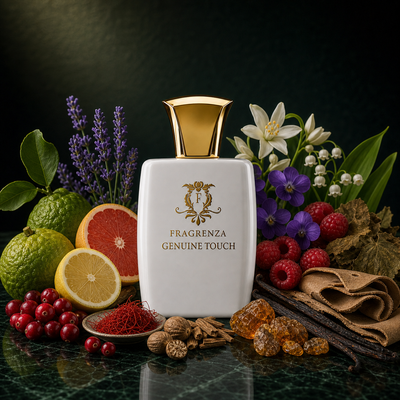
Genuine Touch — a clean, aromatic, fresh-modern signature — is designed for daytime work and warm-weather wear, and the typical EDP concentration delivers exactly the projection and longevity needed for those contexts. Wearing a heavy, oriental-leaning fragrance to a daytime business meeting is a mismatch of concentration to context; wearing a light citrus EDT to a winter evening event is the opposite mismatch.
The fix is building a collection that covers the contexts you actually live in. Most men benefit from owning one fresh-aromatic for daytime (Genuine Touch is a strong example), one warm-spiced for evening and cold weather, and one signature scent that you wear when context doesn't matter. The specific picks depend on your lifestyle, but the principle of matching concentration to context applies regardless. For more, see our concentrations guide.
Rule Five: Apply After Moisturizing
Dry skin burns through fragrance faster than moisturized skin — sometimes by as much as 40 percent of total wear time. The fix is simple: apply an unscented moisturizer to your pulse points before applying fragrance. The moisturizer creates a slight oil layer that fragrance molecules bind to, which extends wear time and produces more consistent projection.
Avoid scented body lotions, which can interact with the fragrance and shift its character. An unscented moisturizer applied 5 to 10 minutes before fragrance is the optimal sequence. This technique alone can transform a fragrance that previously "didn't last" on you into one that wears comfortably all day.
Rule Six: Adjust Dose to the Fragrance
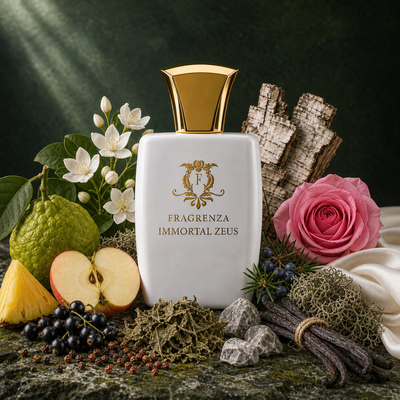
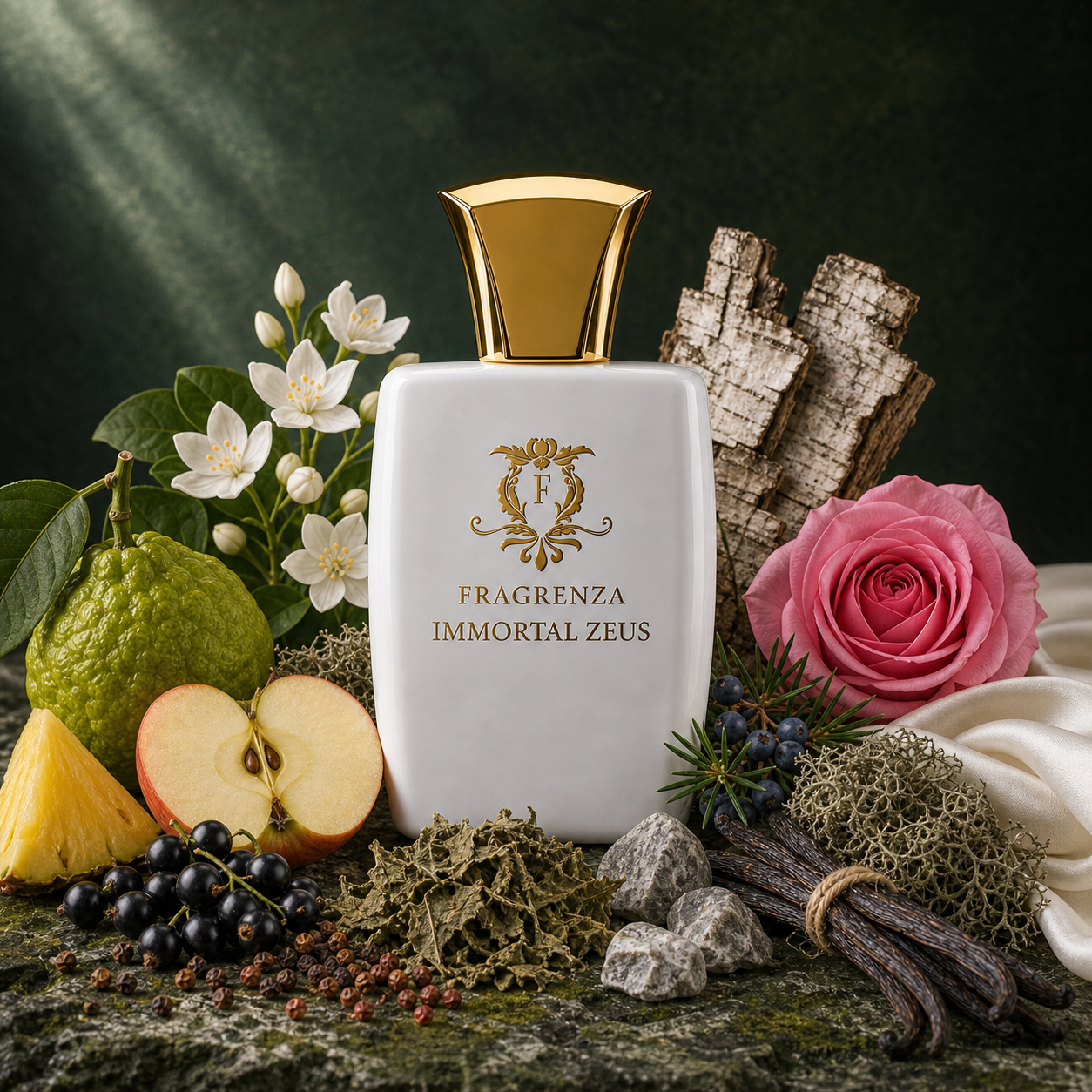
Immortal Zeus is a confident, warm-base composition with strong projection and long wear. With a fragrance like this, two sprays — one to the chest, one to the side of the neck — is sufficient for all-day wear. Over-applying a strong projector creates the elevator-filling effect that triggers negative reactions from people around you, and crosses into the application range that consistently scores poorly in fragrance etiquette and attraction studies.
Lighter fragrances need more sprays — three to four for an EDT, possibly with reapplication at midday. Calibrate the dose to the fragrance's projection rather than applying a universal number of sprays to every bottle. The right dose makes a strong fragrance comfortable and a light fragrance noticeable; the wrong dose makes a strong fragrance overwhelming and a light fragrance invisible.
Rule Seven: Time the Application
The 30-minute rule: apply your fragrance 20 to 30 minutes before you leave the house. This gives the top notes time to settle and the fragrance time to begin developing on your skin before you encounter other people. Walking out the door immediately after spraying means everyone you meet in the first half-hour smells the volatile opening rather than the full architectural arc.
This is especially important for fragrances with citrus or sharp aromatic openings, where the first few minutes can read as harsh or alcoholic before the heart notes emerge. Timing the application correctly is one of the easiest ways to improve how a fragrance is perceived without changing anything else.
Rule Eight: Adjust for Season and Weather

Joyful Oud is a warm, slightly mysterious, oud-anchored composition that performs beautifully in cold weather. Apply it in summer at the same dose you'd use in winter, and the heat will amplify the warm-base notes into something overwhelming. The fix is reducing your spray count by one in warm weather and possibly switching to a lighter fragrance for the season entirely.
The general principle: warm weather amplifies fragrance projection, cold weather suppresses it. Calibrate accordingly. Two sprays in winter may need to become one in summer; three sprays in summer may need to become four in winter. Your nose adapts to your own fragrance throughout the day, but the people around you don't, which is why seasonal calibration matters more than your own perception of the fragrance.
Rule Nine: Don't Over-Mix Scented Products
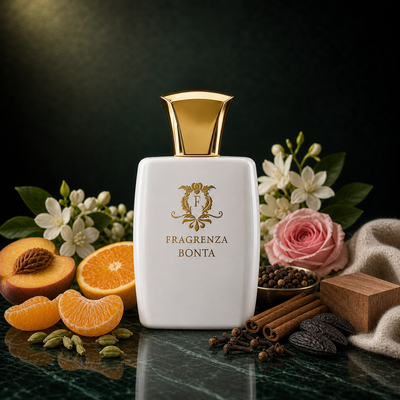
Wearing Bontà alongside a heavily scented shampoo, scented body wash, scented deodorant, scented aftershave, and scented hair product creates an overwhelming olfactory environment where the fragrance you actually want to wear gets buried in competing notes. The fix is using unscented or lightly scented hygiene products and reserving the scented impression for your fragrance application.
This is one of the most underrated factors in why fragrances "don't perform" on certain wearers. The fragrance is performing fine — it's just competing with too many other scented products to register. Strip the supporting products back to unscented basics, and your fragrance will suddenly seem to project more and last longer.
How to Build Your Personal System
The right application strategy is one you can execute consistently. Start with a baseline: two sprays of your daily fragrance, one to the chest and one to the side of the neck, applied 20 minutes before leaving the house, on moisturized skin, with unscented hygiene products underneath. From that baseline, adjust upward (more sprays, more pulse points) for evening events or cold weather, and downward for hot summer days or sensitive professional contexts.
For more on building a fragrance practice, see our seven rules guide and the five fragrance mistakes.
Related Reads
- Where to apply your perfume
- Seven rules for applying fragrance
- Five fragrance mistakes
- Perfume concentrations
- Fragrance etiquette
- Different fragrances for different occasions
Frequently Asked Questions
How many sprays is the right amount?
For most modern EDP fragrances, two to three sprays is the sweet spot — enough to project at conversational distance, not so much that you fill a room. Heavier fragrances need fewer sprays; lighter EDTs and colognes need more. The right number depends on the specific fragrance, your skin chemistry, and the context you're walking into.
Should I apply fragrance to my beard?
Beard hair holds fragrance well, but alcohol-based fragrances can dry out facial hair over time. If you want a beard-adjacent halo, apply to the neck just below the jaw and let the natural warmth of the area diffuse upward. Direct application to the beard is acceptable occasionally but not recommended as a daily practice.
Why does my fragrance smell different from when I sampled it?
Sample cards and skin produce very different fragrance experiences. Skin chemistry interacts with the composition in ways that fabric or paper can't replicate, and the warmth of the body opens base notes that don't appear on cool sample cards. Always test fragrances on skin for at least 30 minutes before judging them — the first few minutes of any fragrance are unrepresentative.
Can I wear cologne to the gym?
Generally, no. Sweat amplifies fragrance and creates an unpleasant interaction in close-quarters gym environments. If you want a fresh post-shower scent, apply a light EDT or eau fraîche after your workout rather than wearing fragrance during it. This is also basic gym etiquette — your fellow gymgoers don't sign up for your fragrance during their workouts.
How often should I reapply during the day?
Most modern EDPs don't require reapplication — they're designed to last 8 to 12 hours from a single morning application. Lighter EDTs and colognes can benefit from a single afternoon refresh, applied lightly to the chest. Avoid reapplying more than once during the day; multiple reapplications usually push past the comfortable projection range into elevator-filling territory.
Does fragrance perform differently in winter?
Yes. Cold air suppresses fragrance projection, and dry winter skin can shorten wear time. Compensate by applying slightly more (one extra spray to the chest), supplementing with moisturizer, and choosing warm-base fragrances that hold up better in cold weather. Light citrus and aromatic compositions can become almost invisible in winter; warm-base orientals come into their own.
The Bottom Line
Application technique is the most controllable variable in how a fragrance performs, and most men underinvest in it. Apply to skin, use pulse points strategically, don't rub, match concentration to context, moisturize beforehand, adjust dose to the fragrance, time the application, calibrate for season, and don't over-mix scented products. Master these nine principles, and the fragrances already in your collection will outperform the more expensive bottles your friends own. Technique beats price every time.