


Bread in Perfumery: The Warm, Yeasty Note That Smells Like Comfort Itself
Yeast fermentation supplies the slightly funky cheese-warm biology and the Maillard reaction supplies the golden crust, and a fine-fragrance bread note must hold both together.
By Julia Moretti 7 min read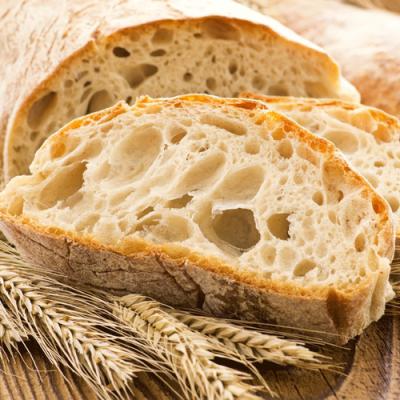
The Most Human of All Fragrance Notes
If you had to identify the single smell most universally associated with comfort, warmth, and the welcome of home, freshly baked bread would be a strong contender. The smell of bread baking — warm, yeasty, slightly sweet, deeply nourishing — is one of the most primitive and satisfying aromatic experiences available to human beings. It connects us to something ancient: to the ten-thousand-year history of bread-making, to the specific biochemistry of yeast and grain transforming under heat, to every kitchen and bakery we have ever loved.
In fine fragrance, the bread note occupies a particularly intimate corner of the gourmand and comfort fragrance world. It is warmer and less sweet than vanilla, less dramatic than coffee or chocolate, more earthy and human than most baked goods notes. A bread note in a fragrance is an invitation to intimacy — a smell that says warmth and welcome rather than luxury and spectacle. This quality makes it one of the more unusual and compelling ingredients in contemporary perfumery.
The Smell of Bread: A Complex Chemistry
Fresh bread has one of the most chemically complex aromas in the culinary world. The smell develops through two primary chemical processes: the fermentation of yeast (which produces a range of volatile aromatic compounds including various alcohols, esters, and organic acids), and the Maillard reaction (the chemical browning of sugars and amino acids that occurs when bread bakes, creating the characteristic golden crust and the sweet, nutty, caramelised aroma).
The result is an extraordinary blend of aromatic impressions. The yeast fermentation contributes a slightly funky, almost cheese-like warmth — a biological richness that gives bread its fundamental character. The grain itself contributes floury, earthy, slightly grassy notes. The crust develops sweet, caramelised, slightly smoky qualities through the Maillard reaction. The interior crumb, still steaming and soft, adds a clean, wheaty sweetness and a faintly creamy quality.
Together these elements create the bread note's characteristic complexity: warm, yeasty, slightly earthy, sweet but not sugary, fundamentally human and intimate. Capturing this in a fragrance requires working with several different chemical families simultaneously, which is part of why truly convincing bread notes are more challenging to construct than simpler gourmand materials.
Key Molecules in the Bread Note
Perfumers working with bread notes have several important materials at their disposal. The most important is probably maltol and its related compounds — aromatic molecules found in caramelised malt and toasted grain that contribute the characteristic sweet-warm quality of baked goods. Maltol, which smells of toffee, caramel, and warm grain, is widely used in gourmand fragrances as a sweetener and has a particular affinity with bread-type accords.
Furaneol (2,5-dimethyl-4-hydroxy-2H-furan-3-one) is another key molecule, responsible for the slightly caramelised, strawberry-adjacent sweetness found in various toasted and baked materials. At the concentrations used in bread accords, it contributes warmth and sweetness without the specifically fruity character it has at higher concentrations.
Various pyrazines — heterocyclic organic compounds formed during the Maillard reaction — contribute the roasted, nutty quality of bread crust. Diacetyl and acetoin, which are produced during yeast fermentation, contribute the characteristic buttery, slightly funky warmth of fresh dough and fermented grain. Linalool and various terpenes from the wheat plant itself add the fresh, slightly floral grain character of freshly ground flour.
The yeasty dimension — arguably the most distinctive and most challenging aspect of the bread note — can be introduced through specific materials that mimic the volatile compounds produced by yeast fermentation. These materials add the biological warmth and slight funkiness that distinguishes a genuine bread accord from a simply sweet baked goods impression.
Bread in the Gourmand Fragrance Tradition
The bread note belongs to the broader tradition of gourmand perfumery that emerged in the 1990s. When Thierry Mugler launched Angel in 1992, with its revolutionary combination of patchouli, cotton candy, and chocolate, the fragrance world received a dramatic demonstration that edible and food-adjacent notes could be the basis for genuinely compelling and commercially successful fine fragrance. The door Angel opened led to an explosion of gourmand compositions — fragrances inspired by caramel, coffee, pastry, chocolate, and eventually, bread.
Bread's particular contribution to the gourmand family is one of warmth and earthiness rather than sweetness or indulgence. Where chocolate and caramel are unambiguously sweet and luxurious, bread is more humble, more domestic, more fundamentally human. A bread note in a fragrance does not evoke luxury or indulgence; it evokes home, comfort, and the elemental satisfaction of basic nourishment. This makes it a different kind of sensory experience — one that can feel genuinely emotional and resonant in a way that sweeter gourmand notes sometimes do not.
Famous Fragrances That Feature the Bread Note
Bread notes appear in a range of fragrances from mainstream to highly niche. Maison Margiela's Replica line, which builds fragrances around specific sensory memories, has included bread-adjacent notes in compositions designed to evoke domestic warmth and intimacy. Various niche houses working with unusual gourmand materials have explored bread as a central theme, creating compositions that smell genuinely like warm bread, dough, or specific varieties of baked grain.
In the mainstream market, the bread note appears more often as a supporting element within broader warm gourmand accords — the warm, yeasty depth beneath a vanilla-amber base that gives a composition its sense of true homeliness. Various compositions in the oriental fragrance family incorporate grain-like warmth and cereal notes that connect to the bread note's character.
Alongside other comfort-oriented gourmand notes, bread appears in compositions designed for maximum wearability and emotional resonance. Vanilla Delight draws on this warm, enveloping confectionery aesthetic, while Gourmand de Chocolat demonstrates how baked goods warmth can anchor a composition of real depth and character.
How Bread Interacts With Other Notes
Bread's most effective fragrance partnerships tend to emphasise its warming, grounding properties. It is a note that enriches and deepens what surrounds it rather than competing for prominence.
With vanilla, bread creates a perfect harmony — the sweetness of vanilla and the warmth of bread are natural companions, producing a together-they-are-more-than-the-sum-of-parts accord that smells of freshly baked vanilla bread or pastry. This combination is among the most universally comforting in fine fragrance.
With honey, bread creates the essential pairing of bread and honey — something so fundamentally simple and satisfying that it scarcely needs elaboration. The animal warmth of honey and the yeasty earthiness of bread amplify each other's most appealing qualities. With butter notes and lactonic materials, bread creates the full baked goods impression of bread fresh from the oven, still warm, with the butter already melting.
With musk, bread's warm, skin-close quality is amplified into something genuinely intimate — a fragrance that smells of warm skin, of the particular human warmth that recalls both body and hearth. This combination is found in some of the most intimate and emotionally resonant of all comfort fragrances.
With amber and resinous materials, bread's earthy yeastiness grounds the composition's sweetness and prevents it from reading as too abstract. With hazelnut, bread creates a baked goods accord of specific nostalgic charm — reminiscent of hazelnut bread or pain aux noisettes, warm and sweet and deeply satisfying.
The Green Note: Freshly Baked Versus Fermented
An interesting dimension of the bread note in perfumery is the distinction between the fresh-baked and the fermented-dough impressions. Fresh bread, just from the oven, emphasises the Maillard-reaction qualities: sweet, caramelised, golden. Bread dough — yeast actively fermenting, before baking — emphasises the biological, slightly funky qualities of yeast itself: warmer, more complex, and with a quality of biological richness that feels closer to cheese, beer, and other fermented food products.
Different bread notes in fragrance lean in one direction or the other. Compositions that want a clean, approachable warmth tend to emphasise the baked qualities. Those that seek deeper, more challenging complexity may work with the fermented dimension, using its biological warmth to add genuine character and depth at the risk of being more polarising.
The finest bread fragrances manage to capture the full arc — from the warmth of the oven, through the sweet caramelisation of the crust, to the earthy yeastiness of the interior — creating a complete sensory experience that rewards sustained attention in the same way that a genuinely good loaf of bread does.
Wearing Bread Notes: Comfort and Intimacy
Bread-centred fragrances are fundamentally comfort fragrances — compositions designed to soothe, warm, and create a sense of intimate wellbeing. They are not fragrances for making a dramatic entrance or asserting a powerful presence. They are fragrances for evenings at home, for cold autumn days, for moments when you want to feel wrapped in warmth and familiarity.
Their skin-close, intimate character makes them most effective when applied to warm skin — pulse points where body heat activates and amplifies the yeasty warmth. As they develop over hours of wear, they tend to become increasingly skin-like and intimate, gradually losing their initial baked-goods distinctness and merging with the wearer's own scent into something genuinely personal.
In a fragrance wardrobe, bread notes occupy the quiet, domestic end of the emotional spectrum. They are not the fragrances you wear to be noticed, but the ones you wear to feel at home — in your own skin, in your own life, in the particular warmth of who you are. There is a reason that bread remains, across cultures and centuries, one of the most universal symbols of home and welcome. In fine fragrance, as in life, its appeal is elemental.