Cascarilla in Perfumery
Croton eluteria from the Bahamas yields an oil of cinnamon-warm spice, pipe tobacco and a quiet smoky depth that brought it into classic 20th-century compositions long before niche rediscovered it.
By Julia Moretti 7 min read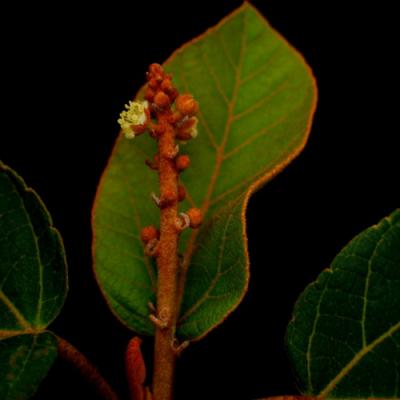
The Hidden Treasure of Cascarilla Bark
Among the more obscure ingredients in the classical perfumer's palette, cascarilla bark holds a fascinating and underappreciated position. Derived from the bark of Croton eluteria, a shrub native to the Bahamas and the wider Caribbean, cascarilla produces an essential oil of extraordinary aromatic complexity — warm, spicy, smoky, and slightly medicinal, with subtle tobacco and incense nuances that make it a deeply compelling material for fragrance construction. It is an ingredient that most perfume wearers have never heard of, yet one whose influence can be felt in many of the great classic fragrances of the twentieth century.
The scent of cascarilla is difficult to pin down precisely, which is part of its charm. The initial impression is warm and spicy, with something of cinnamon and nutmeg, but there is none of the sweetness usually associated with those spices. Underneath the spice lies a smoky, slightly woody quality — not as dense or resinous as oud or frankincense, but sharing some of their contemplative, mysterious character. A distinctly tobacco-like facet emerges on the drydown, reminiscent of quality pipe tobacco — warm, slightly sweet, with a slight herbal bitterness that prevents it from becoming one-dimensionally pleasant. Some noses detect a faint floral note within the oil, perhaps a distant echo of the small white flowers that the cascarilla shrub produces before the bark is harvested.
The Chemistry and Extraction of Cascarilla
Cascarilla essential oil is obtained by steam distillation of the dried bark of Croton eluteria. The oil's chemical composition is complex, containing a mixture of terpene hydrocarbons, sesquiterpenes, and aromatic compounds that together create its characteristic smoky-spicy-tobacco profile. Among the most significant aromatic compounds are limonene, alpha-pinene, and thymol — the last of these a phenolic molecule also found in thyme and oregano that contributes a medicinal, slightly antiseptic warmth to the oil's character. Various sesquiterpenes, including beta-caryophyllene and other related compounds, add a dry, woody depth that gives the oil its impressive longevity and tenacity.
The cascarilla shrub is also the source of an important flavouring ingredient: cascarilla bark is used in the production of certain Italian bitters, including Campari, where it contributes part of the characteristic bitter, aromatic complexity that makes these aperitivi so distinctive. This culinary connection reinforces the idea that cascarilla occupies a unique position in the aromatic world — simultaneously a spice, a medicine, a flavouring, and a perfume ingredient, straddling multiple traditions of use with a generosity that few botanical materials can match.
History of Cascarilla in Perfumery
Cascarilla bark was imported into Europe from the Caribbean in the seventeenth century, initially prized for its supposed medicinal properties as a febrifuge (fever reducer) and bitter tonic. Its aromatic qualities were noticed by early perfumers and pharmaceutical chemists, who incorporated it into various preparations. By the nineteenth century, as the science of perfumery began to formalise, cascarilla bark oil was included in the standard repertoire of natural materials available to perfumers, classified alongside other exotic spice and wood materials.
In the twentieth century, cascarilla found a home in the tobacco and leather fragrance families, where its smoky, warm character reinforced the aromatic identity of these compositions. The classic masculine fragrances of the mid-twentieth century — many of them orientals or leather fragrances with strong tobacco and woody characters — used cascarilla alongside other bark and resin materials to achieve their characteristic depth and complexity. As fragrance styles became lighter and fresher in the 1980s and 1990s, cascarilla receded somewhat from prominence, but the revival of interest in rich, complex, ingredient-driven fragrances that has characterised the niche perfumery movement has brought it back into favour. The article on tobacco in perfumery provides valuable context for understanding the family of notes that cascarilla inhabits.
Famous Fragrances Featuring Cascarilla
Cascarilla's low public profile means that it rarely appears prominently on fragrance note lists, but its influence is present in a number of celebrated compositions. The great tobacco-oriental fragrances of the twentieth century relied on cascarilla and similar materials to achieve their characteristic warm, slightly medicinal tobacco character.
Tom Ford Tobacco Vanille demonstrates the contemporary market's appetite for rich, tobacco-inflected oriental fragrances, and while its formula is proprietary, the type of warm, smoky-spice complexity it achieves is precisely the territory where cascarilla excels. Tom Ford Oud Wood similarly explores the intersection of exotic wood materials and warm spices where cascarilla's character would feel perfectly at home. For wearers drawn to this style of fragrance, the woody fragrances collection showcases the range of compositions that explore this warm, complex territory.
Note Interactions: What Cascarilla Works With
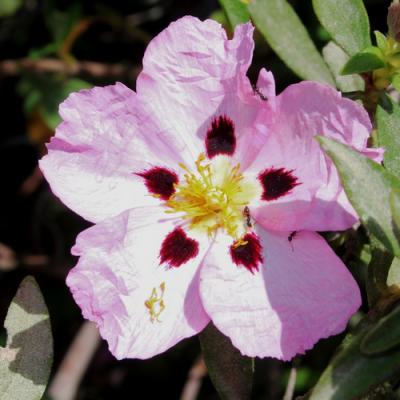
Cascarilla's warm, smoky complexity makes it a natural partner for other aromatic materials in the tobacco and incense families. Labdanum and cistus — with their warm, animalic, slightly smoky resinous quality — work beautifully with cascarilla, the two together creating an oriental base of great depth and character. For more on cistus, the guide to cistus in perfumery provides essential background. Frankincense and benzoin share cascarilla's inclination toward the sacred and the contemplative, and compositions that combine these materials often achieve a genuinely liturgical atmosphere — rich, complex, and deeply satisfying.
Vanilla provides a sweetening effect that can round off cascarilla's sharper, more medicinal edges, creating compositions that feel warmer and more approachable without losing the fundamental character of the bark material. Cedar and sandalwood offer smooth, warm wood foundations that extend cascarilla's own woody facets, providing excellent longevity and a seamless transition through the drydown. Leather accords are natural partners for cascarilla, reinforcing its slightly medicinal, animalic qualities and creating compositions of extraordinary character and complexity.
Wardrobe Context: Wearing Cascarilla Fragrances
Cascarilla-forward fragrances occupy the richer, more contemplative end of the fragrance spectrum and are best suited to cooler months and evening wear. The warm, slightly smoky character of this ingredient performs at its best in environments where the air is cool and the occasion is unhurried — a quiet evening, a formal gathering, or a solitary afternoon at home. The tobacco-like facet that cascarilla develops on the skin is deeply intimate, creating a scent bubble that rewards those in close proximity while remaining relatively discreet at a distance.
For wearers who love the richness of oriental and woody fragrances but seek something genuinely unusual and artisanal, a cascarilla-based fragrance represents an excellent opportunity to explore a truly distinctive corner of the perfumer's palette. These are not fragrances that seek mass approval; they are fragrances for the genuinely curious — people who understand that the most interesting ingredients are often the ones nobody has heard of.
Cascarilla's Place in the Modern Fragrance Landscape
The contemporary revival of interest in cascarilla bark reflects a broader trend in niche perfumery toward the rediscovery of historical ingredients that fell out of fashion during the synthetic revolution of the twentieth century. As the niche perfumery movement has grown, the appetite for natural materials with genuine complexity and historical depth has expanded significantly. Cascarilla, with its centuries of use in both pharmaceutical and aromatic traditions, its extraordinary aromatic complexity, and its genuine rarity compared to more commonly available materials, has benefited from this renewed interest.
For wearers who are building a fragrance collection that values authenticity, historical resonance, and genuine aromatic complexity, cascarilla-featuring fragrances represent some of the most interesting and rewarding options available. The combination of cascarilla with materials like benzoin and amber creates some of the most historically authentic and intellectually satisfying oriental compositions available in the contemporary market.
Cascarilla and the Art of Aromatic Rarity
The relative obscurity of cascarilla in mainstream fragrance consciousness is, paradoxically, one of its greatest strengths as an ingredient. In a market saturated with familiar materials — the same oud, the same musks, the same ambroxan — a genuinely unusual ingredient like cascarilla provides perfumers with a tool for achieving real distinction. The wearer who encounters a cascarilla-forward fragrance and takes the time to investigate what they are smelling will discover a material of extraordinary historical depth, culinary significance (through its role in Italian bitters), and aromatic complexity. It is a journey that the best niche fragrances consistently reward.
Experiencing Cascarilla: What to Expect
For fragrance enthusiasts who want to experience cascarilla bark for the first time, the most practical approach is to smell the essential oil directly before exploring finished fragrances that feature it. The oil's initial impression is distinctly spicy and warm, with an immediate tobacco-like quality that is striking and unusual. As it dries down on skin, the medicinal, slightly camphoraceous facets emerge alongside the warm, woody base. The overall impression is of something that feels genuinely ancient and complex — less obviously pleasurable on first encounter than more familiar materials, but increasingly beautiful with extended experience. Alongside the related material benzoin, cascarilla represents the finest tradition of resinous bark materials in fine fragrance, a tradition that deserves more widespread appreciation than it currently receives.