

Cumin in Perfumery: The Daring Spice Beneath the Surface
Cumin is one of perfumery's most beloved floral notes. Learn how perfumers use it, what it smells like on skin, and the fragrances that wear it best.
By Julia Moretti 8 min read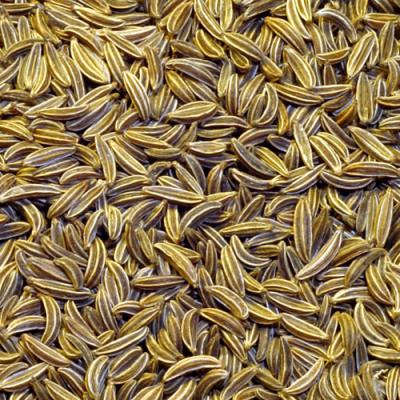
Cumin smells warm, spicy, and distinctly animalic — earthy and nutty with a sweaty, skin-like muskiness that reads as intensely human. It is not a sweet “baking” spice; in perfume it adds intimate, body-warm depth and sensuality. In larger doses that sweaty, body-odor facet becomes obvious, which is why perfumers use cumin with great restraint.
The Note That Tests a Perfumer's Nerve
There is no ingredient in the perfumer's cabinet quite like cumin. It is not sweet, not floral, not cleanly spiced in the way that cardamom or cinnamon are sweet and warm. Cumin is something more complicated and more provocative: an animalic, warm, slightly sweaty spice that reads as intensely human at the concentrations where it is most effective. Used well, it creates depth and intimacy that few other ingredients can provide. Used poorly, it produces something that smells not so much like a fragrance as like a person who has been walking in a hot city for several hours.
This is the dual nature that makes cumin simultaneously one of perfumery's most valuable and most feared ingredients. It has appeared in some of the most celebrated fragrances of the past century — most wearers simply don't know it's there. And that invisibility, that ability to add warmth and humanity to a composition without revealing its source, is precisely what skilled perfumers use cumin for.
What Does Cumin Smell Like in Perfumery?
Raw cumin seeds have a warm, earthy, slightly musty spiciness — familiar to anyone who has cooked extensively with Indian or North African spices. The essential oil distilled from cumin seed intensifies all of these qualities and adds something more: a distinctly animalic, skin-like warmth that sits at the edge of what most Western consumers consider acceptable in fragrance.
This animalic quality is cumin's defining characteristic in perfumery and the source of both its power and its challenges. At low concentrations, cumin adds a warmth to a composition that reads as intimate and human — a quality that makes the fragrance feel as though it has merged with the wearer's own skin chemistry rather than sitting on top of it. The boundary between the fragrance and the person wearing it seems to dissolve slightly, which creates an impression of naturalness and warmth that is among the most appealing effects in all of perfumery.
At higher concentrations, the animalic character becomes more explicit and the composition risks tipping from intimate to aggressively body-forward in a way that most consumers find uncomfortable. This narrow window of acceptable concentration is part of what makes cumin challenging to work with — the difference between a nuance and a problem can be a matter of a few parts per million.
Origins and Extraction
Cumin (Cuminum cyminum) is native to the Mediterranean and South Asia and is one of the world's oldest cultivated spices, with evidence of use stretching back to ancient Egypt. Today, major producing countries include India, Syria, Iran, and parts of South America. Indian cumin is generally considered the finest for culinary purposes; the essential oil for perfumery use comes from various origins depending on the specific aromatic profile required.
The essential oil is obtained by steam distillation of the dried seeds. Cumin oil is intensely aromatic — a small quantity goes a long way — and it has a characteristic golden-brown colour that reflects its complexity. The distillation process preserves the full range of the seed's aromatic compounds, including the sulfur-containing molecules that are responsible for cumin's characteristic animalic edge.
Cumin oil is one of the more stable natural spice materials, with reasonable longevity on skin and in formulation. This stability, combined with its aromatic intensity and low use level requirements, makes it a cost-effective material in professional perfumery contexts.
Key Aroma Molecules
The dominant aromatic compound in cumin oil is cuminaldehyde (para-isopropyl benzaldehyde), which is responsible for the spice's characteristic sharp, warm, slightly animalic character. Cuminaldehyde is a powerful material — its odour threshold is low enough that it influences the overall impression of a composition even at very small concentrations.
Para-cymene contributes a woody, slightly citric quality that adds lift to the note. Gamma-terpinene and beta-pinene add freshness and resinous character. But the most important contributors to cumin's animalic dimension are various sulfurous compounds — specifically 2-methoxy-3-isobutylpyrazine and related molecules — that share structural similarities with compounds found in human perspiration. This molecular connection is the scientific basis for cumin's uncanny skin-like quality in fragrance.
Understanding the sulfurous dimension of cumin's aroma chemistry helps explain why it is so often used alongside materials that have their own sulfurous or animalic character. Civet, castoreum, and certain musk materials share some of this molecular territory, and combining them with cumin creates an amplification of animalic warmth that can be remarkably effective in the right composition.
Cumin in Fragrance Composition
Cumin occupies a unique position in fragrance structure. It is not typically a top note — its depth and warmth are not the qualities most needed in a fragrance's opening moments. Nor is it a pure base note — its spicy, animalic character is more present and dynamic than the deep, tenacious materials that anchor a composition's final phase. Cumin is a heart note, or a top-heart transitional ingredient, providing warmth and character in the middle and early portion of a fragrance's development.
In oriental fragrances, cumin is among the most important ingredients available. The warm, complex, slightly animalic character of cumin resonates perfectly with the amber, resin, and spice accords that define the oriental family. It adds a layer of humanness to compositions that might otherwise feel merely opulent — cumin is the ingredient that makes oriental fragrances feel like they belong to a person rather than an abstract idea of luxury.
In woody fragrances, cumin can provide a bridge between the dry, resinous character of woody notes and the warmth that makes a fragrance feel wearable. Against oud, cumin's animalic warmth creates a deeply intimate combination that connects to Middle Eastern fragrance traditions where both ingredients have been used for centuries.
Famous Fragrances Featuring Cumin
Cumin is rarely listed as a prominent note in fragrance marketing materials — few brands would choose to advertise 'slightly sweaty spice' as a selling point. But its influence is felt in many celebrated compositions.
Guerlain Shalimar — one of the defining oriental fragrances of the twentieth century — has long been understood to use cumin as part of its complex, animalic base structure. The warmth and intimacy that makes Shalimar feel unlike any other fragrance is not solely the result of its famous bergamot-vanilla structure; the animalic depth provided by cumin and related materials is equally important.
Tom Ford Black Orchid uses spice and animalic accords as part of its famously provocative, dark character. The fragrance's ability to smell simultaneously luxurious and slightly transgressive owes something to the use of cumin-adjacent animalic spice materials in its construction.
Tom Ford Oud Wood and other oud-forward fragrances frequently feature cumin as a supporting element that amplifies the animalic depth of oud and creates the warm, skin-close quality that characterises the best oud compositions.
Note Interactions
Cumin's most powerful relationships are with other warm, animalic, and resinous materials. With amber and labdanum, cumin creates a warm, animalic oriental accord that is among the most sensual and evocative in all of perfumery. With rose, cumin creates a classic pairing found in Middle Eastern attars and many Western fragrances influenced by that tradition — the floral sweetness of rose and the animalic warmth of cumin create a combination that reads as both beautiful and provocative.
Against fresher materials, cumin provides contrast and grounding. With citrus, the effect is particularly interesting: the sharpness of bergamot or lemon against cumin's warmth creates a dynamic tension that some compositions exploit brilliantly. Bleu de Chanel famously deploys a similar tension between citrus brightness and spice warmth, though cumin is just one of several spice contributors in that composition.
Cumin is challenging to pair with sweet gourmand notes — the combination of animalic spice and dessert sweetness can create a confusing impression that reads as unappetising rather than complex. The note also requires care when combined with strongly medicinal or camphoraceous ingredients, where the combination can tip into an uncomfortable territory.
Wardrobe Context
Fragrances in which cumin plays a significant role belong firmly in the evening and cool-weather portion of a fragrance wardrobe. The animalic warmth that cumin provides is at its most appealing in contexts where warmth itself is appropriate — autumn and winter evenings, intimate occasions, formal events. In summer heat, animalic notes can intensify beyond comfortable wearability.
Cumin is a note for those who want their fragrance to make a statement, to feel substantive and adult rather than easy and approachable. It rewards wearers who understand that the most interesting fragrances are not necessarily the most immediately pleasant, and that depth and humanity in a scent are qualities worth seeking out.
Related reading
Keep exploring related spice notes:
Frequently asked questions
What does cumin smell like?
Warm, earthy, and nutty with a pronounced animalic, sweaty muskiness. It smells spicy but skin-like and human rather than sweet — closer to warm body heat than to cinnamon or cardamom.
Does cumin smell like sweat or body odor?
It can. Cumin contains compounds that mirror the smell of human sweat, so in higher concentrations it reads distinctly like body odor. Used in trace amounts, that same quality adds warmth and intimacy without smelling unclean.
Why do perfumers use cumin if it smells sweaty?
Because in tiny doses cumin adds a warm, sensual, “human” depth that few other notes can. It appears in many celebrated fragrances where wearers never consciously detect it — it simply makes the scent feel alive on skin.