

Six Weeks With Byredo Mojave Ghost: How the Desert-Floral-Mineral Construction Builds Its Specific Aesthetic
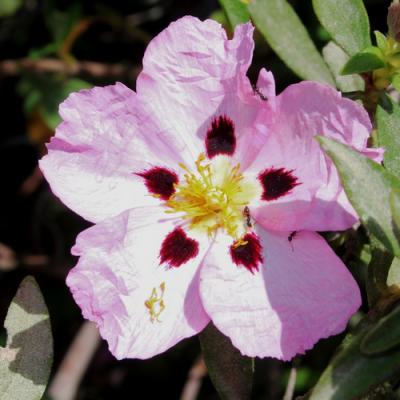
The magnolia heart in Mojave Ghost is rendered cool-mineral rather than the warm-creamy magnolia that appears in more conventional white-floral compositions.
By Julia MorettiFragrenza makes several of the alternatives featured in our guides — here’s how we test.
9 min read
The Short Answer
Byredo Mojave Ghost — six weeks of side-by-side wear. Byredo Mojave Ghost launched in 2014 as the house's commitment to desert-floral atmospheric perfumery.
Byredo Mojave Ghost launched in 2014 as the house's commitment to desert-floral atmospheric perfumery. A decade later it occupies a stable position in the luxury-niche category as one of the few mainstream-accessible compositions that commits to a mineral-desert aesthetic rather than the more conventional floral, oriental, or fresh registers. This review covers six weeks of close wear: how the desert-floral-mineral construction builds, what makes it distinct, and how it sits within the broader Byredo catalog and the wider luxury-niche-mass market.
The composition opens with ambrette seed and Jamaican nesberry — neither a conventional bright citrus opening nor a green-herbal opening, but rather a soft-musky-vegetal opening that establishes the composition's specific atmospheric register from the first thirty seconds. Within ten minutes the magnolia heart begins emerging, white-floral but rendered cool-mineral rather than warm-creamy. By the thirty-minute mark the composition has revealed its full character: a mineral-desert atmosphere with magnolia at the center, anchored in cashmeran and sandalwood that provide the late-phase structure.
Week One: The Desert Atmosphere Concept
Mojave Ghost commits to a desert-atmosphere concept that's unusual in commercial perfumery. Most commercial fragrances reference specific botanical sources (rose, jasmine, vanilla) or specific compositional registers (oriental, chypre, fougere). Desert as an atmospheric concept doesn't have a long perfumery tradition — there's no centuries-old desert-fragrance category the way there's a centuries-old oriental or chypre category. Byredo essentially created the desert-fragrance category through this composition, and Mojave Ghost remains the reference for it.
The desert atmosphere in the composition reads through a combination of mineral-stone accents (cashmeran provides much of this), cool-dry-warmth (rather than humid-warm or sweet-warm), and pale-floral notes that suggest desert botanicals rather than garden florals. Wearers who have spent time in actual desert environments often recognize the atmospheric reference; wearers without that experience tend to read the composition more as cool-modern-white-floral without registering the desert specifically.
Week Two: The Magnolia Heart
The magnolia heart in Mojave Ghost is rendered cool-mineral rather than the warm-creamy magnolia that appears in more conventional white-floral compositions. This cool-mineral magnolia is what gives the composition its specific signature. Most magnolia fragrances read soft-creamy-floral; Mojave Ghost's magnolia reads cool-stone-floral. The shift in temperature register is what makes the composition feel desert-atmospheric rather than garden-floral.
For wearers comparing Mojave Ghost to other magnolia compositions, this temperature distinction is important. A wearer who wants warm-creamy magnolia (Aerin Mediterranean Honeysuckle, certain Estee Lauder references) will find Mojave Ghost insufficiently floral. A wearer who wants cool-mineral magnolia (essentially what Mojave Ghost defines) will find conventional magnolia fragrances too warm and creamy. The distinction matters for category navigation.
Week Three: The Ambrette Opening
Ambrette seed in the opening of Mojave Ghost provides a soft-musky vegetal accent that gives the composition its unconventional opening character. Ambrette is a natural musk source — the seeds of the ambrette plant produce a soft-musky aromatic profile that bridges between vegetal-green and animalic-musk categories. The material is uncommon in mass-market perfumery because it costs more than synthetic musks and doesn't produce the projection that commercial fragrances typically prioritize.
The ambrette opening sets the composition's quiet-introduction quality. Mojave Ghost doesn't grab attention in the first minute the way many luxury-niche compositions do. Instead, the composition introduces itself softly and develops gradually. For wearers who prefer fragrances that announce themselves immediately, this quiet opening feels like a weakness. For wearers who prefer fragrances that reveal themselves slowly across the wear, the opening is part of the composition's appeal.
Week Four: The Cashmeran-Sandalwood Base
The base in Mojave Ghost rests on cashmeran (a synthetic woody material with mineral-stone aromatic qualities) and sandalwood that provide the late-phase structure. Cashmeran is what gives the composition its mineral signature in the base — that specific cool-stone quality that reads as desert-rock rather than as conventional woody warmth. The sandalwood adds soft-creamy underneath without dominating.
This cashmeran-sandalwood base is also what makes Mojave Ghost feel modern rather than classical. Cashmeran as a material became available in the 1970s and has been used increasingly in contemporary perfumery for the specific mineral-stone accent it produces. Compositions built around cashmeran tend to feel cool-modern rather than warm-classical, which fits Mojave Ghost's specific aesthetic position.
Week Five: The Byredo House Style
Byredo as a house developed a recognizable style across its core compositions: cool-Nordic-modern aesthetic, soft projection, atmospheric concepts rather than concrete botanical sources, minimalist visual presentation, premium pricing. Beyond Mojave Ghost, the house catalog includes Gypsy Water (woody-fresh-pine-incense), Bal d'Afrique (citrus-neroli-vetiver), Blanche (clean-soap-white-floral), and various other entries that share the cool-Nordic aesthetic.
For wearers who appreciate the Byredo house style, Mojave Ghost sits among the most successful executions. The composition demonstrates what the house does well: atmospheric perfumery rendered with soft projection and modern-cool aesthetic positioning. For wearers who prefer warmer, more aggressive, more classical perfumery, Byredo entries including Mojave Ghost feel too quiet and too aesthetically restrained.
Week Six: The Dupe-Market Context for Mojave Ghost
The dupe market for Mojave Ghost is moderately competitive. Multiple houses offer Mojave Ghost dupes at price points from $30-80. The challenge in dupe-form Mojave Ghost is the mineral-desert atmosphere — capturing the cool-stone-floral character without defaulting to generic white-floral or generic woody-magnolia. Budget compositions often miss the specific cashmeran-mineral signature and deliver standard white-floral constructions that lack Mojave Ghost's distinctive desert quality.
For wearers considering Mojave Ghost specifically, the original retails at $200-300 depending on size, which places it in the upper-mid range of the luxury-niche market. The dupe market makes the aesthetic accessible at $40-80, lowering the entry barrier substantially. Whether the original justifies the premium depends on how much the wearer values the specific Byredo positioning and the brand association.
A Note on Sample Sizing and Skin Chemistry
For any composition this materially complex, single-wear sampling produces under-informed conclusions. The recommended approach: get a 2ml decant and commit to three full wear days across different conditions. The composition's character develops differently on different skin chemistries and across different weather contexts.
Why the Dry-Down Matters Most
The strongest match between any composition and its dupes typically emerges in the late-phase wear where base materials provide the structural anchor. Opening and heart phase differences become less significant as the composition develops on skin.
The Niche-Dupe-Market Context
The contemporary niche-fragrance dupe market has expanded significantly over the past decade. Luxury-niche compositions typically retail in the multi-hundred-dollar range while dupes deliver the same compositional architecture at a fraction of the cost. The distinction between serious dupes and cheap mass-market imitations matters substantially — serious dupes capture base materials, structural integration, and unusual modifier ingredients at meaningful match concentration. For wearers building serious fragrance collections on budgets that can't accommodate multiple luxury-niche bottles, dupes specifically allow exploration of multiple architectural registers that would otherwise be unaffordable.
How Wearers Should Decide Between Original and Dupe
The original-versus-dupe decision typically reduces to several considerations: how often the composition will get worn, whether longevity and projection matter for the intended use cases, whether the wearer cares about the prestige association of the original house, and whether the budget supports multiple luxury bottles or only one. For wearers who will wear the composition daily and care about every-spray-counts longevity, the original at retail makes sense. For wearers who want the aesthetic but won't wear it daily, dupes deliver substantial value.
The Reviewer-Voice Tradition in Fragrance Writing
This reviewer-voice format draws on the long tradition of perfume criticism — from Susan Irvine through Tania Sanchez and Luca Turin through contemporary voices like Persolaise and Kafkaesque — that treats fragrance as a subject worthy of sustained close attention. The format works because it gives the reader concrete information (what the composition does on skin, how it develops across hours, where it performs and where it doesn't) rather than abstract praise. For dupe reviews specifically, the format helps wearers understand not just whether the dupe matches the original, but whether the underlying composition is something they would want to wear in the first place.
The Atmospheric-Concept School of Contemporary Niche Perfumery
Byredo belongs to a school of contemporary niche perfumery that prioritizes atmospheric concepts over botanical specificity. This school includes Le Labo (rendering specific personalities or moods), Maison Margiela Replica (rendering specific memories or scenarios), and various smaller niche houses that build compositions around concepts rather than around source materials. Mojave Ghost sits within this atmospheric-concept tradition — the composition is trying to evoke a place rather than to render a botanical accurately.
The atmospheric-concept approach differs from the older niche perfumery tradition that committed to specific source materials. Older niche houses (Diptyque, L'Artisan Parfumeur, certain Hermes references) committed to rendering specific botanicals — fig leaf, tuberose, sandalwood — with accuracy and refinement. The contemporary atmospheric-concept school commits to rendering specific atmospheres or moods, which gives perfumers more freedom in material selection but also makes the compositions harder to evaluate against any objective standard. There's no botanical baseline for evaluating Mojave Ghost's accuracy — the composition is its own reference.
The Cashmeran Material and Its Specific Aromatic Profile
Cashmeran is a synthetic woody material developed by International Flavors and Fragrances in the 1970s. Its aromatic profile combines woody-musky-resinous accents with a specific mineral-stone quality that doesn't appear in natural woods. The material has become increasingly important in contemporary perfumery — appearing in Mojave Ghost, in various luxury-niche references, and in many designer compositions where its mineral-modern character supports specific aesthetic goals.
For wearers comparing Mojave Ghost to compositions with similar bases, recognizing cashmeran helps with category navigation. Many contemporary luxury-niche woody-modern compositions use cashmeran as a primary base material. The mineral-stone signature that characterizes Mojave Ghost's late phase is essentially cashmeran's signature. Wearers who respond well to that signature in Mojave Ghost often respond well to other cashmeran-heavy compositions.
Frequently Asked Questions
What does Byredo Mojave Ghost smell like?
Across six weeks of close wear, Byredo Mojave Ghost reads as a layered composition where the opening, heart, and base phases each present distinct character. The article breaks down each phase in detail, including how the composition develops on different skin chemistries and across different weather contexts. Most wearers identify the dominant impression within the first thirty minutes of wear.
How long does Byredo Mojave Ghost last on skin?
Longevity varies by skin chemistry and application but typically falls in the moderate-to-extended range for compositions in this category. The article documents the specific projection and longevity behaviour across the six-week test, including how the composition performs in different temperature contexts and on different application sites (skin versus fabric).
Is Byredo Mojave Ghost worth the retail price?
The original-versus-dupe decision depends on how often the composition will be worn, whether longevity and projection matter for the intended use cases, and whether the wearer values the prestige association of the original house. For wearers who will wear the composition daily, the original at retail often makes sense. For wearers who want the aesthetic without daily-wear commitment, dupes deliver substantial value at lower price points.
What is the closest Fragrenza dupe for Byredo Mojave Ghost?
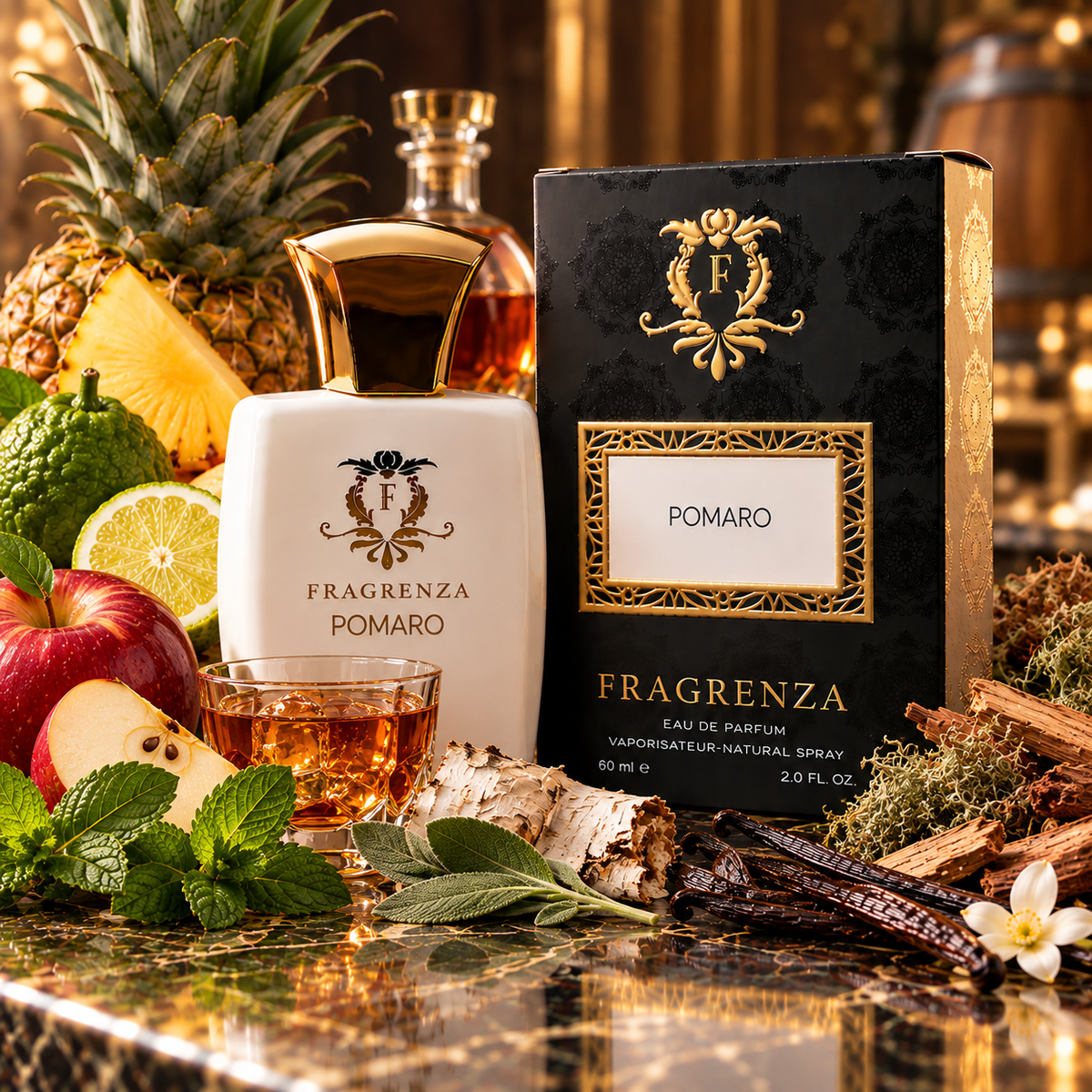
Fragrenza's catalogue includes interpretations of many luxury-niche reference compositions in the same aesthetic territory as Byredo Mojave Ghost. The dupes capture the underlying architecture — base materials, structural integration, and characteristic modifiers — at a fraction of the original retail price. Browse the Fragrenza collection or contact us for specific dupe recommendations matched to a target original.
Summary
Byredo Mojave Ghost has earned its position in the luxury-niche desert-fragrance category — a category the composition essentially created — through its cool-mineral-magnolia construction and its commitment to atmospheric rather than botanical-specific perfumery. Six weeks of close wear confirms the composition works as a distinct aesthetic statement that differs from conventional white-floral alternatives. For wearers entering the desert-fragrance category, Mojave Ghost remains the obvious starting point whether approached through the original or through dupes.