

Collection: Amburana Bark Fragrances
If amburana wood is the polished plank, amburana bark is its rougher-hewn sibling. Stripped from the same South American tree, it carries the same coumarin-rich signature — sweet hay, tonka, a whisper of almond — but delivers it with a drier, more rustic texture, as though the vanilla warmth were filtered through cracked timber and sun-baked spice.
The opening is dusty and aromatic, with cinnamon-like facets and a faint bitterness that keeps the sweetness honest; as it settles, it melts into a cozy balsamic base. It sits naturally beside tobacco, leather, dried fruits, vanilla and woody ambers, lending compositions an artisanal, raw-material character — the scent of a carpenter's workshop drifting into a spice market.

No products found
We don’t have a Amburana Bark fragrance just yet — explore similar scents by family:
Woody · Oriental · Floral · Leather · Chypre · Aromatic · Citrus
Bestsellers our customers love
-
Amarena Cherry Amarena CherryVendor:Inspired by Tom Ford Lost CherryRegular price From $9.99Regular price
$390.00Sale price From $9.99Sale -
 Sold outSamples SamplesSold out
 -
Signorina Miele Signorina MieleVendor:Inspired by Dior Miss Dior ChérieRegular price From $9.99Regular price
$105.00Sale price From $9.99Sale -
Limone e Vaniglia Limone e VanigliaVendor:Inspired by Xerjoff LiraRegular price From $9.99Regular price
$305.00Sale price From $9.99Sale


About Amburana Bark Fragrances
Amburana Wood is a remarkable and increasingly celebrated fragrance material derived from Amburana cearensis, a tree native to the dry forests of northeastern Brazil and parts of South America. Known locally as cumaru or cerejeira, this aromatic wood has been used for centuries in Brazilian folk medicine and woodworking. Its rise in fine perfumery reflects a broader appreciation for South American botanicals and a desire for warm, distinctive alternatives to conventional woody base notes.
Olfactorily, Amburana Wood presents a captivating warmth — simultaneously woody and subtly sweet, with a rich coumarin character that gives it a faint, natural vanilla-like softness. The wood itself is dense and aromatic, and its scent profile straddles the boundary between woody and balsamic, with a clean warmth that is distinctly different from sandalwood or cedar. There is an almost edible quality to it in high concentrations, yet it reads comfortably in the realm of fine perfumery rather than gourmand territory.
In perfumery, Amburana Wood serves as a distinctive base note, adding warmth, depth, and a uniquely Brazilian character to compositions. It pairs beautifully with vanilla, tonka, tobacco, and other warm, sweet-wood notes. Its natural coumarin content also makes it a useful bridge between woody and oriental fragrance families. At Fragrenza, we celebrate exotic materials like Amburana Wood in fragrance dupes that bring the warmth of the Brazilian forest to discerning noses at accessible prices.
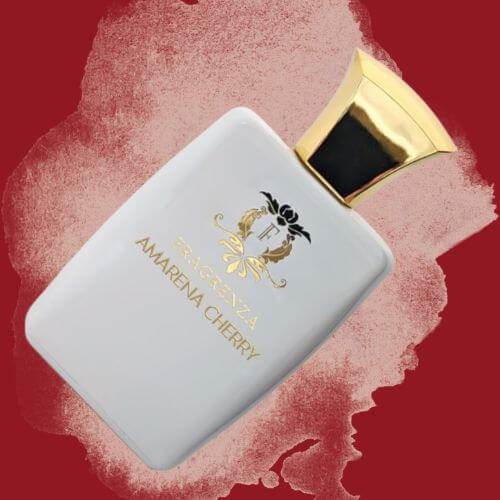
Amarena Cherry
Obsessed with cherry? If you want to really amp up the cherry scent, this Tom Ford Lost Cherry dupe will give Lost Cherry a run for its money. Black cherry, cherry syrup, and cherry liqueur all mingle together for an indulgent cherry overdose that’s complemented by notes of almond, tonka bean, Turkish rose, and jasmine sambac.
Woods And Mosses
Commiphora Leptophloeos
-
Our best sellers.
-
Adeline PDM Delina dupe Better Peach Tom Ford Bitter Peach dupe Chloris Gardenia Gucci Flora Gorgeous Gardenia dupe Fearless Love Kilian's Love, Don't Be Shy dupe Selvaggio Dior's Sauvage dupe Addict Noir YSL's Black Opium dupe Empress D&G's L'Imperatrice dupe Divino Bleu de Chanel dupe Lo amo J’Adore Dior dupe Pretty Girl Carolina Herrera's Good Girl dupe
-

What Does Labdanum Smell Like?
Discover labdanum in perfumery — its warm, animalic, balsamic scent, history from ancient Mediterranean ritual to modern ambers, and its role in iconic fragrances.
-

What Does Patchouli Smell Like?
Patchouli smells like rich, dark earth — wet woods, chocolate, and aged leather. What it really smells like, why it’s linked to weed, and how to wear it.
-

What Does Yuzu Smell Like?
What does yuzu smell like in perfumery? Explore this Japanese citrus note — its tart, floral-citrus scent, key aroma compounds, and how it elevates contemporary fragrance design.
-

What Does Amber Smell Like?
Discover what amber truly smells like in perfumery — from rare ambergris washed ashore to modern synthetics — and why it makes every fragrance warmer.

