

Collection: Ammonia Fragrances
Few notes divide opinion as sharply as ammonia. In its raw state it is piercing and alkaline — the bracing, eye-watering sting of smelling salts — yet in perfumery it is never about shock for its own sake. Dosed in the merest traces, it lends compositions a startling animalic realism, echoing the urinous facets that occur naturally in civet, costus and heavily indolic white flowers.
Used this way it sharpens leather accords, gives musky skin scents a living warmth, and lends mineral or metallic themes a cold, electric edge. It is a perfumer's provocation: a fleeting jolt in the opening that quickly recedes, leaving the surrounding notes feeling more vivid, more human and unmistakably daring.

No products found
We don’t have a Ammonia fragrance just yet — explore similar scents by family:
Woody · Oriental · Floral · Leather · Chypre · Aromatic · Citrus
Bestsellers our customers love
-
Amarena Cherry Amarena CherryVendor:Inspired by Tom Ford Lost CherryRegular price From $9.99Regular price
$390.00Sale price From $9.99Sale -
 Sold outSamples SamplesSold out
 -
Signorina Miele Signorina MieleVendor:Inspired by Dior Miss Dior ChérieRegular price From $9.99Regular price
$105.00Sale price From $9.99Sale -
Limone e Vaniglia Limone e VanigliaVendor:Inspired by Xerjoff LiraRegular price From $9.99Regular price
$305.00Sale price From $9.99Sale


About Ammonia Fragrances
Ammophila, commonly known as Beach Grass or Marram Grass (Ammophila arenaria and related species), is a hardy coastal plant that colonizes sand dunes across Atlantic and Pacific shorelines. Though not a traditional perfumery ingredient in the classical sense, its olfactory profile has inspired a category of green-coastal accords that evoke the raw, windswept beauty of sand dunes and seashore margins. As a fragrance note, it belongs to the broader family of naturalistic, landscape-inspired accords that have flourished in contemporary niche perfumery.
Olfactorily, Ammophila reads as green, slightly salty, and coastal-fresh — a restrained, quiet greenness that lacks the sharpness of cut grass or the sweetness of florals, instead carrying a dry, sandy quality that situates it firmly at the ocean's edge. There is a subtle mineral quality, a breath of clean sea air, and an understated herbal dryness that together create a highly evocative sense of place. It is a note defined more by atmosphere than by any single dominant aromatic character.
In perfumery, Ammophila is used to add authentic coastal texture to marine and green-outdoor compositions, often combined with sea salt, driftwood, vetiver, and aquatic notes to build convincing shoreline landscapes. It is particularly prized in niche perfumery's tradition of landscape-in-a-bottle. At Fragrenza, our Ammophila-inspired fragrances capture that rare, windswept coastal energy in expertly crafted dupes that bring niche-quality naturalism to an accessible price point.
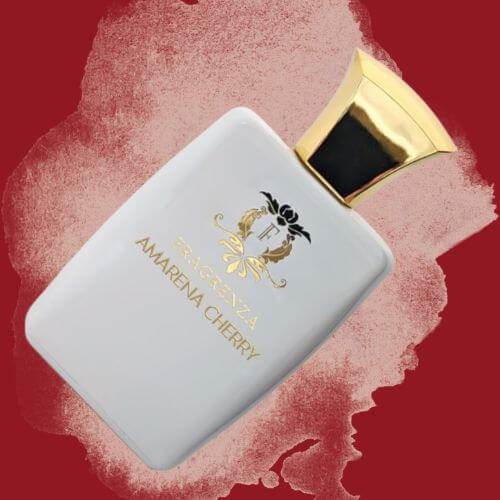
Amarena Cherry
Obsessed with cherry? If you want to really amp up the cherry scent, this Tom Ford Lost Cherry dupe will give Lost Cherry a run for its money. Black cherry, cherry syrup, and cherry liqueur all mingle together for an indulgent cherry overdose that’s complemented by notes of almond, tonka bean, Turkish rose, and jasmine sambac.
Natural And Synthetic, Popular And Weird
-
Our best sellers.
-
Adeline PDM Delina dupe Better Peach Tom Ford Bitter Peach dupe Chloris Gardenia Gucci Flora Gorgeous Gardenia dupe Fearless Love Kilian's Love, Don't Be Shy dupe Selvaggio Dior's Sauvage dupe Addict Noir YSL's Black Opium dupe Empress D&G's L'Imperatrice dupe Divino Bleu de Chanel dupe Lo amo J’Adore Dior dupe Pretty Girl Carolina Herrera's Good Girl dupe
-
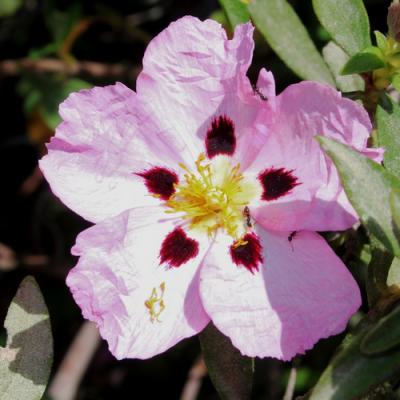
What Does Labdanum Smell Like?
Discover labdanum in perfumery — its warm, animalic, balsamic scent, history from ancient Mediterranean ritual to modern ambers, and its role in iconic fragrances.
-

What Does Patchouli Smell Like?
Patchouli smells like rich, dark earth — wet woods, chocolate, and aged leather. What it really smells like, why it’s linked to weed, and how to wear it.
-
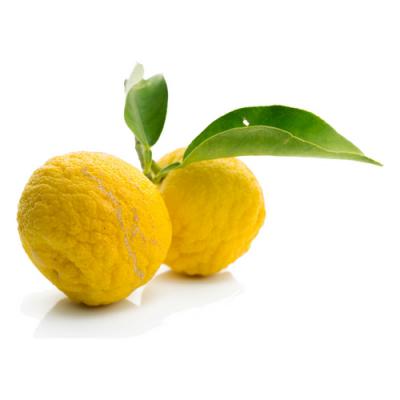
What Does Yuzu Smell Like?
What does yuzu smell like in perfumery? Explore this Japanese citrus note — its tart, floral-citrus scent, key aroma compounds, and how it elevates contemporary fragrance design.
-
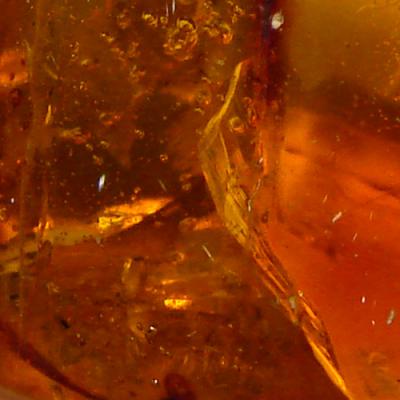
What Does Amber Smell Like?
Discover what amber truly smells like in perfumery — from rare ambergris washed ashore to modern synthetics — and why it makes every fragrance warmer.

