

Collection: Bark Fragrances
The perfume note of bark offers the forest's rougher textures rather than its polished heartwood. It opens dry and earthy, with a raw, fibrous woodiness laced with bitter-green sap and a faintly dusty, tannic edge — the smell of running a hand over a weathered trunk. As it develops, quieter facets emerge: damp moss, cool shade and a whisper of resin, giving the note a humid, outdoorsy depth that smooth wood notes lack. Its character is rugged, naturalistic and slightly austere, grounding a composition the way roots anchor a tree. Bark pairs well with vetiver, oakmoss, patchouli, earthy iris and incense, and lends fragrances the mood of an untended woodland — lichen-covered trunks, leaf litter and the slow, mineral breath of the forest floor.

No products found
We don’t have a Bark fragrance just yet — explore similar scents by family:
Woody · Oriental · Floral · Leather · Chypre · Aromatic · Citrus
Bestsellers our customers love
-
Amarena Cherry Amarena CherryVendor:Inspired by Tom Ford Lost CherryRegular price From $9.99Regular price
$390.00Sale price From $9.99Sale -
 Sold outSamples SamplesSold out
 -
Signorina Miele Signorina MieleVendor:Inspired by Dior Miss Dior ChérieRegular price From $9.99Regular price
$105.00Sale price From $9.99Sale -
Limone e Vaniglia Limone e VanigliaVendor:Inspired by Xerjoff LiraRegular price From $9.99Regular price
$305.00Sale price From $9.99Sale


About Bark Fragrances
Bark, as a fragrance note, represents a rich and nuanced category of woody materials drawn from the outer layers of trees — a material that has been central to human culture since prehistory, used in medicine, construction, spice, and ritual. Whether referencing the cinnamon-like warmth of cassia bark, the dry astringency of oak bark, the resinous character of birch, or the generic 'forest bark' accord that evokes a walk through ancient woodland, bark notes in perfumery are anchored in a primal, earthbound beauty.
Olfactorily, bark is a dry, woody note with distinctly tannic and slightly earthy facets. Unlike smooth, polished woods like sandalwood or cedar, bark carries a rougher, more textured quality — raw and natural, with a slight bitterness that grounds any composition and prevents sweetness from dominating. There is an outdoor, elemental character to bark: the scent of a forest after rain, of aged timber, of the living boundary between a tree's interior and the wider world. It reads as uncompromising and genuine.
In perfumery, bark accords are used to add naturalistic woody depth and textured earthiness to compositions across many categories — from aromatic fougères and woody chypres to dark, resinous orientals. They pair beautifully with mosses, leather, vetiver, and smoky notes. Fragrenza's bark collection brings this elemental, forest-floored note to life in expertly crafted dupes of iconic woody luxury fragrances — grounded, authentic, and finely composed.
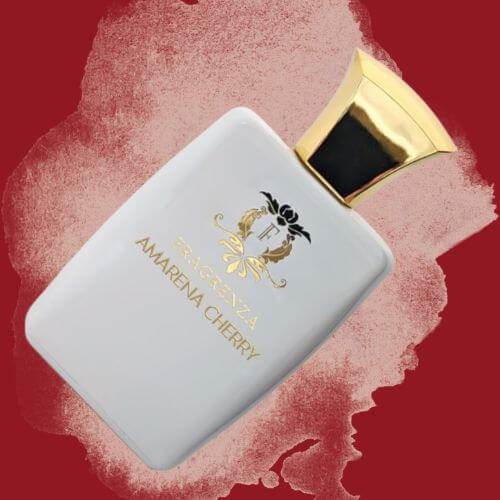
Amarena Cherry
Obsessed with cherry? If you want to really amp up the cherry scent, this Tom Ford Lost Cherry dupe will give Lost Cherry a run for its money. Black cherry, cherry syrup, and cherry liqueur all mingle together for an indulgent cherry overdose that’s complemented by notes of almond, tonka bean, Turkish rose, and jasmine sambac.
Woods And Mosses
-
Our best sellers.
-
Adeline PDM Delina dupe Better Peach Tom Ford Bitter Peach dupe Chloris Gardenia Gucci Flora Gorgeous Gardenia dupe Fearless Love Kilian's Love, Don't Be Shy dupe Selvaggio Dior's Sauvage dupe Addict Noir YSL's Black Opium dupe Empress D&G's L'Imperatrice dupe Divino Bleu de Chanel dupe Lo amo J’Adore Dior dupe Pretty Girl Carolina Herrera's Good Girl dupe
-
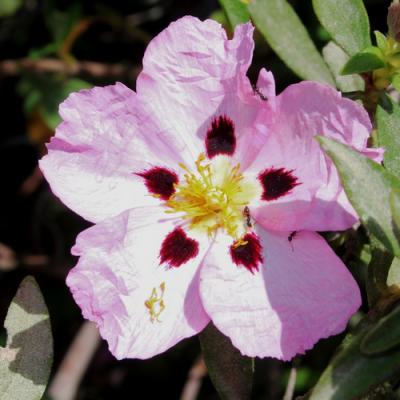
What Does Labdanum Smell Like?
Discover labdanum in perfumery — its warm, animalic, balsamic scent, history from ancient Mediterranean ritual to modern ambers, and its role in iconic fragrances.
-

What Does Patchouli Smell Like?
Patchouli smells like rich, dark earth — wet woods, chocolate, and aged leather. What it really smells like, why it’s linked to weed, and how to wear it.
-
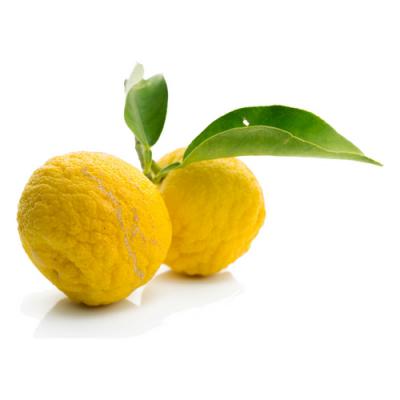
What Does Yuzu Smell Like?
What does yuzu smell like in perfumery? Explore this Japanese citrus note — its tart, floral-citrus scent, key aroma compounds, and how it elevates contemporary fragrance design.
-
What Does Amber Smell Like?
Discover what amber truly smells like in perfumery — from rare ambergris washed ashore to modern synthetics — and why it makes every fragrance warmer.

