

-
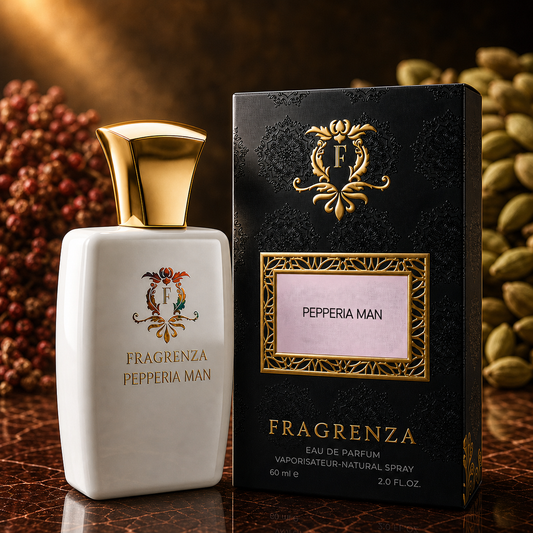
Pepperia Man Pepperia ManVendor:Inspired by Amouage Journey ManRegular price From $9.99Regular price
$360.00Sale price From $9.99Sale -
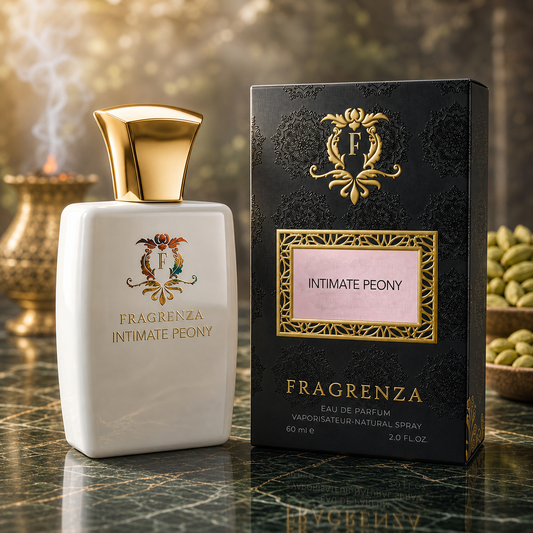
Intimate Peony Intimate PeonyVendor:Inspired by Amouage Dia ManRegular price From $9.99Regular price
$360.00Sale price From $9.99Sale -
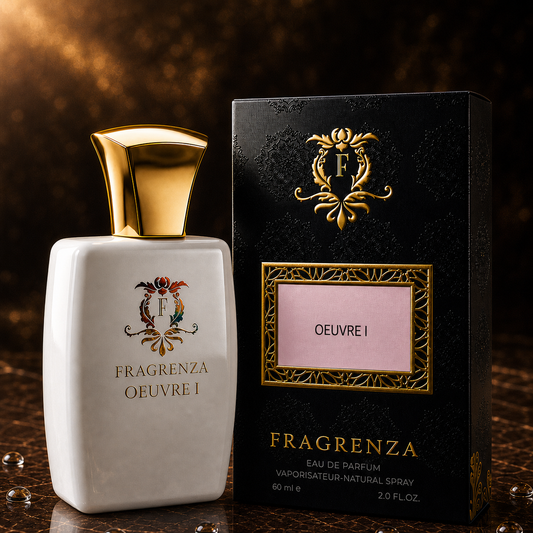
Oeuvre I Oeuvre IVendor:Inspired by Amouage Opus IRegular price From $9.99Regular price
$360.00Sale price From $9.99Sale



About Bigarade Fragrances
Bigarade, derived from the bitter orange tree (Citrus aurantium), is one of the most storied raw materials in the history of perfumery. Native to Southeast Asia and later cultivated throughout the Mediterranean — particularly in the Seville region of Spain and the Calabria region of Italy — the bigarade orange is prized not for its fruit, but for its peel. Unlike the sweeter varieties of orange, the bigarade peel yields an essential oil that is sharper, more terpenic, and far more complex, carrying a bright, almost astringent quality that lifts any composition it touches.
In olfactory terms, bigarade is the quintessential Cologne citrus: bracing and clean at the top, with a dry, slightly bitter character that distinguishes it from its sweeter relatives. It opens with a sparkling, fizzy zestiness before revealing subtle floral and woody undertones. This complexity made it the backbone of the original Eau de Cologne formula, and it remains central to classic fougères, chypres, and aromatic compositions to this day. Its natural volatility gives it an energising, clarifying quality prized in masculine and unisex fragrances alike.
In modern perfumery, bigarade is used both as a top-note brightener and as a bridge between citrus and floral or woody heart notes. Fragrenza's bigarade-forward collection captures this timeless ingredient at its finest — offering luxury-quality compositions inspired by iconic designer and niche fragrances, at a fraction of the price. Discover the crisp, terpenic elegance of bigarade through our expertly crafted dupes.
Other Collections
Amouage Fragrances

From this collection: Brandy Star Woman — Sunshine Woman by Amouage alternative
Explore our collection of amouage fragrances. Shop amouage perfumes and discover captivating scents.
Bergamot Fragrances

From this collection: Limone e Vaniglia — Lira by Xerjoff alternative
Explore our collection of bergamot fragrances. Shop bergamot perfumes and discover captivating scents.
Cardamom Fragrances

From this collection: Better Peach — Bitter Peach by Tom Ford alternative
Explore our collection of cardamom fragrances. Shop cardamom perfumes and discover captivating scents.
Incense Fragrances

From this collection: Chocolat Orchid — Black Orchid by Tom Ford alternative
Explore our collection of incense fragrances. Shop incense perfumes and discover captivating scents.
Juniper Berries Fragrances

From this collection: Elisi — Elysium by Roja Parfums alternative
Explore our collection of juniper berries fragrances. Shop juniper berries perfumes and discover captivating scents.
Amarena Cherry
Obsessed with cherry? If you want to really amp up the cherry scent, this Tom Ford Lost Cherry dupe will give Lost Cherry a run for its money. Black cherry, cherry syrup, and cherry liqueur all mingle together for an indulgent cherry overdose that’s complemented by notes of almond, tonka bean, Turkish rose, and jasmine sambac.
Fruits, Vegetables And Nuts
Citrus aurantium
-
Our best sellers.
-
Adeline PDM Delina dupe Better Peach Tom Ford Bitter Peach dupe Chloris Gardenia Gucci Flora Gorgeous Gardenia dupe Fearless Love Kilian's Love, Don't Be Shy dupe Selvaggio Dior's Sauvage dupe Addict Noir YSL's Black Opium dupe Empress D&G's L'Imperatrice dupe Divino Bleu de Chanel dupe Lo amo J’Adore Dior dupe Pretty Girl Carolina Herrera's Good Girl dupe
-
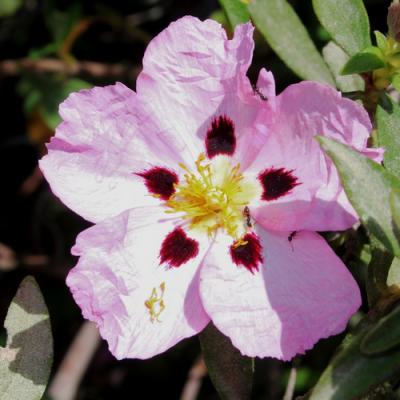
What Does Labdanum Smell Like?
Discover labdanum in perfumery — its warm, animalic, balsamic scent, history from ancient Mediterranean ritual to modern ambers, and its role in iconic fragrances.
-

What Does Patchouli Smell Like?
Patchouli smells like rich, dark earth — wet woods, chocolate, and aged leather. What it really smells like, why it’s linked to weed, and how to wear it.
-
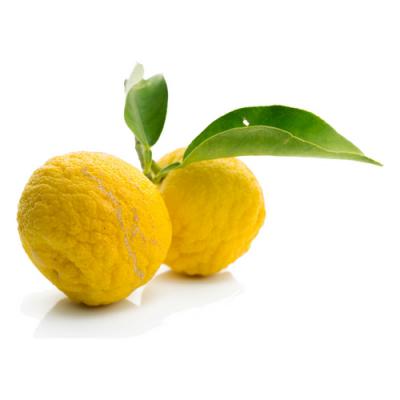
What Does Yuzu Smell Like?
What does yuzu smell like in perfumery? Explore this Japanese citrus note — its tart, floral-citrus scent, key aroma compounds, and how it elevates contemporary fragrance design.
-
What Does Amber Smell Like?
Discover what amber truly smells like in perfumery — from rare ambergris washed ashore to modern synthetics — and why it makes every fragrance warmer.

