

Collection: Birch Tar Fragrances
Few materials in perfumery are as primal as birch tar. Obtained through the dry distillation of birch bark, it is one of the natural materials traditionally used to recreate the smell of leather — most famously in old Russian-leather accords, where hides were treated with it. The scent is intensely smoky, tarry and phenolic on opening — campfire embers, charred wood and creosote — before settling into a warmer, supple leatheriness with balsamic, faintly sweet undertones. Used in trace amounts, it lends rugged depth and a smouldering glow to compositions; paired with rose it turns smokily dramatic, while vetiver, oud, tobacco and amber draw out its full darkness. The mood is elemental: log cabins, worn saddles and woodsmoke drifting through cold air.

No products found
We don’t have a Birch Tar fragrance just yet — explore similar scents by family:
Woody · Oriental · Floral · Leather · Chypre · Aromatic · Citrus
Bestsellers our customers love
-
Amarena Cherry Amarena CherryVendor:Inspired by Tom Ford Lost CherryRegular price From $9.99Regular price
$390.00Sale price From $9.99Sale -
 Sold outSamples SamplesSold out
 -
Signorina Miele Signorina MieleVendor:Inspired by Dior Miss Dior ChérieRegular price From $9.99Regular price
$105.00Sale price From $9.99Sale -
Limone e Vaniglia Limone e VanigliaVendor:Inspired by Xerjoff LiraRegular price From $9.99Regular price
$305.00Sale price From $9.99Sale


About Birch Tar Fragrances
Birch Tar is one of the most potent and historically rich materials in the perfumer's arsenal. Produced by the dry distillation of birch bark — primarily from Betula pendula and Betula pubescens — the resulting dark, viscous tar has been used for millennia as a preservative, waterproofing agent, and natural antiseptic. In perfumery, birch tar extract is used in carefully calibrated quantities to add its unmistakable character: a bold, smoky, leathery, and slightly medicinal note with overtones of creosote and pine.
The aromatic profile of birch tar is striking and unapologetically assertive. At its core is a powerful smokiness, reminiscent of campfires and smouldering wood, layered with a dry leather note that conjures tanned hides and riding boots. There is also a phenolic edge — a hint of tar or rubber — that gives it the kind of rough, industrial beauty that is deeply compelling in niche perfumery. Used at low levels, it adds a haunting smokiness; at higher levels, it becomes the entire statement.
Birch tar has been fundamental to the creation of classical leather fragrances, most notably Russian Leather accords, which combine it with birch, castoreum, and styrax to evoke the scent of fine Cossack leather. Its influence runs through everything from old-school masculine barbershop chypres to the boldest contemporary leather and smoke compositions. At Fragrenza, our inspired-by fragrances celebrate the raw, untamed beauty of birch tar-forward perfumes, making these bold, characterful scents accessible to all.
Other Collections
Birch Fragrances

From this collection: Immortal Zeus — Aventus by Creed alternative
Explore our collection of birch fragrances. Shop birch perfumes and discover captivating scents.
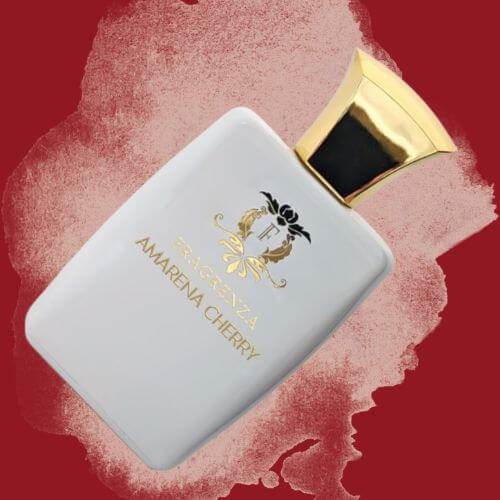
Amarena Cherry
Obsessed with cherry? If you want to really amp up the cherry scent, this Tom Ford Lost Cherry dupe will give Lost Cherry a run for its money. Black cherry, cherry syrup, and cherry liqueur all mingle together for an indulgent cherry overdose that’s complemented by notes of almond, tonka bean, Turkish rose, and jasmine sambac.
Resins And Balsams
-
Our best sellers.
-
Adeline PDM Delina dupe Better Peach Tom Ford Bitter Peach dupe Chloris Gardenia Gucci Flora Gorgeous Gardenia dupe Fearless Love Kilian's Love, Don't Be Shy dupe Selvaggio Dior's Sauvage dupe Addict Noir YSL's Black Opium dupe Empress D&G's L'Imperatrice dupe Divino Bleu de Chanel dupe Lo amo J’Adore Dior dupe Pretty Girl Carolina Herrera's Good Girl dupe
-
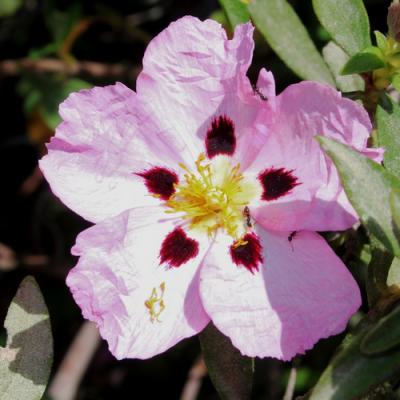
What Does Labdanum Smell Like?
Discover labdanum in perfumery — its warm, animalic, balsamic scent, history from ancient Mediterranean ritual to modern ambers, and its role in iconic fragrances.
-

What Does Patchouli Smell Like?
Patchouli smells like rich, dark earth — wet woods, chocolate, and aged leather. What it really smells like, why it’s linked to weed, and how to wear it.
-
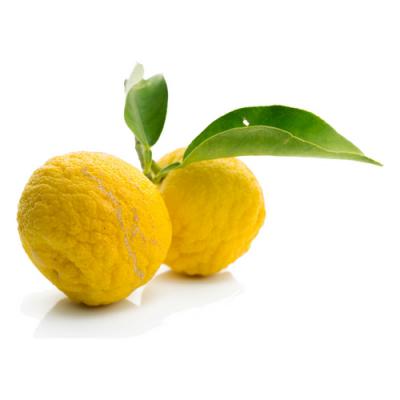
What Does Yuzu Smell Like?
What does yuzu smell like in perfumery? Explore this Japanese citrus note — its tart, floral-citrus scent, key aroma compounds, and how it elevates contemporary fragrance design.
-
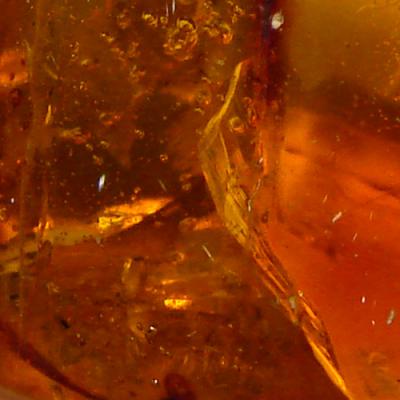
What Does Amber Smell Like?
Discover what amber truly smells like in perfumery — from rare ambergris washed ashore to modern synthetics — and why it makes every fragrance warmer.

