

Collection: Cabreuva Fragrances
Cabreuva brings the refined character of a South American hardwood, distilled from the tree Myrocarpus fastigiatus. Its essential oil reveals a delicate, sweet woody smell with a fruity nuance — softer and more luminous than cedar or sandalwood, with gentle floral undertones that have earned it comparisons to precious balsams. On opening it feels smooth and slightly honeyed; as it dries down, a clean, creamy woodiness emerges, subtle yet long-lasting. Cabreuva is a graceful supporting player, pairing beautifully with rose, citrus, other woods and musks, where it adds polish and quiet depth. It evokes sanded pale wood, warm workshops and understated elegance rather than rugged forest.

No products found
We don’t have a Cabreuva fragrance just yet — explore similar scents by family:
Woody · Oriental · Floral · Leather · Chypre · Aromatic · Citrus
Bestsellers our customers love
-
Amarena Cherry Amarena CherryVendor:Inspired by Tom Ford Lost CherryRegular price From $9.99Regular price
$390.00Sale price From $9.99Sale -
 Sold outSamples SamplesSold out
 -
Signorina Miele Signorina MieleVendor:Inspired by Dior Miss Dior ChérieRegular price From $9.99Regular price
$105.00Sale price From $9.99Sale -
Limone e Vaniglia Limone e VanigliaVendor:Inspired by Xerjoff LiraRegular price From $9.99Regular price
$305.00Sale price From $9.99Sale


About Cabreuva Fragrances
Cabreuva is a warm, soft woody essential oil derived from the heartwood of Myrocarpus fastigiatus, a tall timber tree native to the subtropical forests of Brazil, Argentina, and Paraguay. Long prized by local craftsmen for its beautiful, dense wood, cabreuva has also been appreciated in perfumery for generations, finding its way into European fine fragrance as early as the mid-twentieth century as a gentle, natural woody base note.
The olfactory character of cabreuva oil is subtle and refined — a smooth, faintly rosy woodiness with a soft, slightly sweet warmth. It bears a delicate floral undertone reminiscent of rose or rhodinol, which distinguishes it from drier, more austere woods like cedarwood or vetiver. This makes cabreuva a particularly elegant building block in soft floral-woody constructions, oriental bases, and feminine or unisex compositions where a gentle woody foundation is desired without heaviness or sharpness.
At Fragrenza, cabreuva is valued for the quiet sophistication it brings to the base of delicate wood and floral fragrance dupes. Its understated, faintly rosy warmth perfectly complements materials like sandalwood, rose, and soft musks, contributing to seamless, skin-close accords. Browse our cabreuva collection and experience this graceful South American wood note as part of beautifully crafted, accessible fine fragrance.
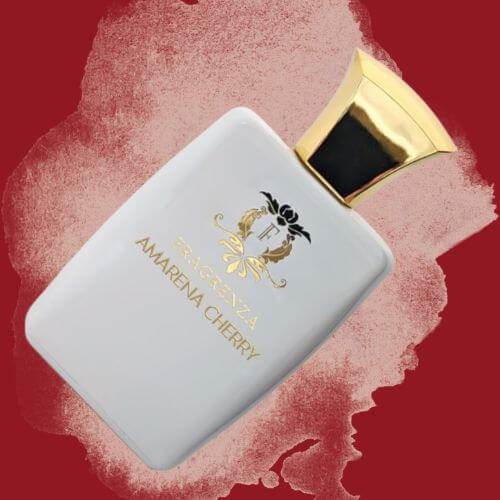
Amarena Cherry
Obsessed with cherry? If you want to really amp up the cherry scent, this Tom Ford Lost Cherry dupe will give Lost Cherry a run for its money. Black cherry, cherry syrup, and cherry liqueur all mingle together for an indulgent cherry overdose that’s complemented by notes of almond, tonka bean, Turkish rose, and jasmine sambac.
Woods And Mosses
Myrocarpus fastigiatus
-
Our best sellers.
-
Adeline PDM Delina dupe Better Peach Tom Ford Bitter Peach dupe Chloris Gardenia Gucci Flora Gorgeous Gardenia dupe Fearless Love Kilian's Love, Don't Be Shy dupe Selvaggio Dior's Sauvage dupe Addict Noir YSL's Black Opium dupe Empress D&G's L'Imperatrice dupe Divino Bleu de Chanel dupe Lo amo J’Adore Dior dupe Pretty Girl Carolina Herrera's Good Girl dupe
-

What Does Labdanum Smell Like?
Discover labdanum in perfumery — its warm, animalic, balsamic scent, history from ancient Mediterranean ritual to modern ambers, and its role in iconic fragrances.
-

What Does Patchouli Smell Like?
Patchouli smells like rich, dark earth — wet woods, chocolate, and aged leather. What it really smells like, why it’s linked to weed, and how to wear it.
-

What Does Yuzu Smell Like?
What does yuzu smell like in perfumery? Explore this Japanese citrus note — its tart, floral-citrus scent, key aroma compounds, and how it elevates contemporary fragrance design.
-

What Does Amber Smell Like?
Discover what amber truly smells like in perfumery — from rare ambergris washed ashore to modern synthetics — and why it makes every fragrance warmer.

