

Collection: Costus Fragrances
The perfume note of Costus, derived from a root oil, unfolds a complex, animalic aroma that lends an exotic touch to fragrances. It begins with a musky, deep scent, reminiscent of raw wool, infusing a sense of rustic warmth. This initial muskiness is tempered by subtle, earthy undertones that echo the root's connection to the rich soil from which it's derived. As the scent lingers, it reveals soft, powdery nuances with faint hints of floral sweetness, adding complexity and a touch of the unexpected. The Costus note brings to fragrances a sense of sensual depth and earthy sophistication, its scent capturing the primal allure and captivating mystery of nature's raw materials.

No products found
Curious about this note? Read our guide: Costus in Perfumery: The Forbidden Animalic Root from Tabac Blond to Modern Niche
We don’t have a Costus fragrance just yet — explore similar scents by family:
Woody · Oriental · Floral · Leather · Chypre · Aromatic · Citrus
Bestsellers our customers love
-
Amarena Cherry Amarena CherryVendor:Inspired by Tom Ford Lost CherryRegular price From $9.99Regular price
$390.00Sale price From $9.99Sale -
 Sold outSamples SamplesSold out
 -
Signorina Miele Signorina MieleVendor:Inspired by Dior Miss Dior ChérieRegular price From $9.99Regular price
$105.00Sale price From $9.99Sale -
Limone e Vaniglia Limone e VanigliaVendor:Inspired by Xerjoff LiraRegular price From $9.99Regular price
$305.00Sale price From $9.99Sale


About Costus Fragrances
Costus root, derived from the Saussurea costus plant native to the Himalayan highlands of India, Pakistan, and Kashmir, is one of perfumery's most ancient and intriguing raw materials. Used for millennia in Ayurvedic medicine, Indian religious ceremonies, and classical oriental perfumery, costus carries a profound sense of history and ritual in every drop of its complex, animalic essence.
The scent of costus root is unlike almost anything else in the perfumer's palette: deeply earthy and slightly animalic, with a woody-musky character that some describe as resembling the smell of clean human skin, orris root, and warm forest soil simultaneously. It is challenging, intense, and utterly unique — a note that divides opinion but is irreplaceable once it finds the right composition.
In perfumery, costus root has historically been used as a powerful fixative and depth-giver in oriental, woody, and animalic compositions, where it anchors other notes with remarkable tenacity while adding sensuous, almost primal warmth. Although now largely replaced by synthetics due to sustainability concerns, its legacy endures. Fragrenza's costus-inspired creations honour this extraordinary ingredient's rich heritage.
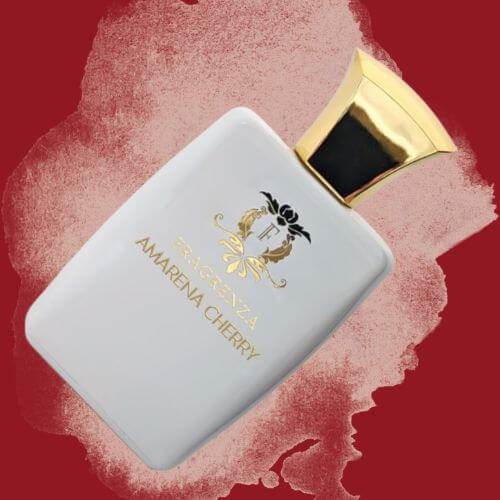
Amarena Cherry
Obsessed with cherry? If you want to really amp up the cherry scent, this Tom Ford Lost Cherry dupe will give Lost Cherry a run for its money. Black cherry, cherry syrup, and cherry liqueur all mingle together for an indulgent cherry overdose that’s complemented by notes of almond, tonka bean, Turkish rose, and jasmine sambac.
Flowers
Costus
-
Our best sellers.
-
Adeline PDM Delina dupe Better Peach Tom Ford Bitter Peach dupe Chloris Gardenia Gucci Flora Gorgeous Gardenia dupe Fearless Love Kilian's Love, Don't Be Shy dupe Selvaggio Dior's Sauvage dupe Addict Noir YSL's Black Opium dupe Empress D&G's L'Imperatrice dupe Divino Bleu de Chanel dupe Lo amo J’Adore Dior dupe Pretty Girl Carolina Herrera's Good Girl dupe
-

What Does Labdanum Smell Like?
Discover labdanum in perfumery — its warm, animalic, balsamic scent, history from ancient Mediterranean ritual to modern ambers, and its role in iconic fragrances.
-

What Does Patchouli Smell Like?
Patchouli smells like rich, dark earth — wet woods, chocolate, and aged leather. What it really smells like, why it’s linked to weed, and how to wear it.
-

What Does Yuzu Smell Like?
What does yuzu smell like in perfumery? Explore this Japanese citrus note — its tart, floral-citrus scent, key aroma compounds, and how it elevates contemporary fragrance design.
-

What Does Amber Smell Like?
Discover what amber truly smells like in perfumery — from rare ambergris washed ashore to modern synthetics — and why it makes every fragrance warmer.

