

-
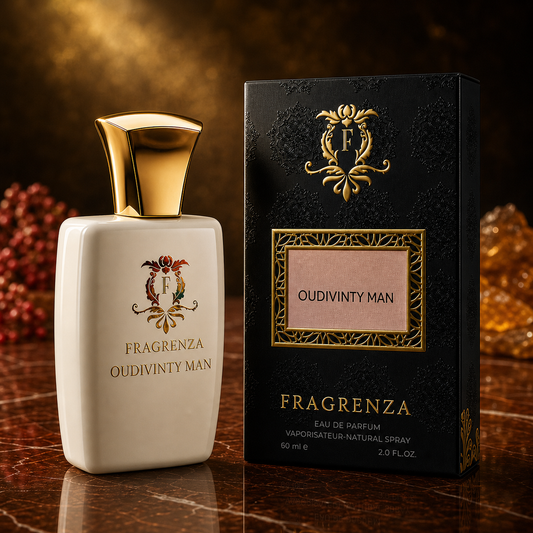
Oudivinty Man Oudivinty ManVendor:Inspired by Amouage Epic ManRegular price From $9.99Regular price
$360.00Sale price From $9.99Sale -
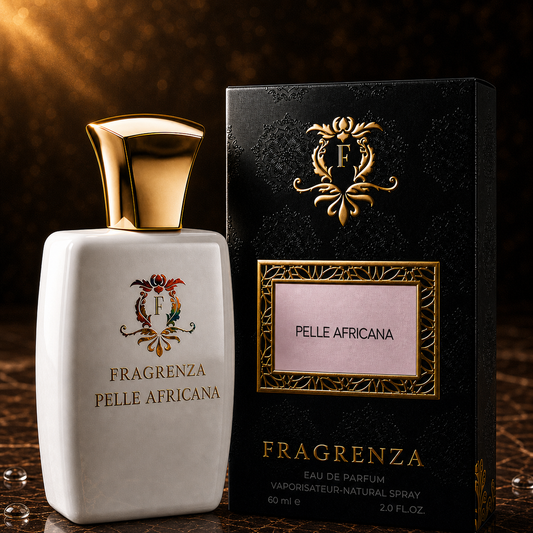
Pelle Africana Pelle AfricanaVendor:Inspired by Memo African LeatherRegular price From $9.99Regular price
$300.00Sale price From $9.99Sold out -
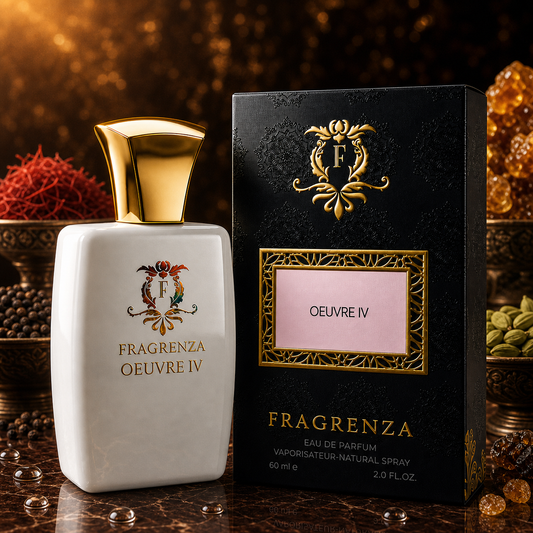
Oeuvre IV Oeuvre IVVendor:Inspired by Amouage Opus IVRegular price From $9.99Regular price
$360.00Sale price From $9.99Sale



About Cumin Fragrances
Cumin (Cuminum cyminum) is one of the oldest and most widely used spices in human history, with evidence of cultivation dating back over 4,000 years to ancient Egypt and the Middle East. The seeds of this small flowering herb carry an aromatic intensity that has made them indispensable to cuisines across North Africa, the Middle East, India, and Latin America. In their raw, ground form, cumin seeds release a warm, earthy, slightly musky warmth that is simultaneously familiar and deeply exotic — one of the world's truly foundational aromatic materials.
In perfumery, cumin is one of the most polarising and fascinating ingredients available: its warm, spicy-earthy character carries a distinctly animalic, skin-like facet that has earned it both devoted admirers and equally passionate detractors. This animalic quality — derived from naturally occurring cuminaldehyde — gives cumin-forward fragrances an intimate, human warmth that feels genuinely close to the body, blurring the boundary between fragrance and skin. Perfumers use cumin to add raw sensuality and exotic spice to oriental, animalic, and woody compositions, often pairing it with amber, leather, rose, and oud for complex, deeply warming results.
Cumin's bold, animalic-spicy character has made it a defining note in oriental, Middle Eastern, and sensual niche perfumery. At Fragrenza, our cumin collection presents premium fragrance dupes inspired by the world's most daring luxury scents, exploring this remarkable spice at an accessible price for the open-minded fragrance lover.
Other Collections
Amouage Fragrances

From this collection: Brandy Star Woman — Sunshine Woman by Amouage alternative
Explore our collection of amouage fragrances. Shop amouage perfumes and discover captivating scents.
Caraway Fragrances

From this collection: Hypnotic Amour — Hypnotic Poison by Dior alternative
Explore our collection of caraway fragrances. Shop caraway perfumes and discover captivating scents.
Cardamom Fragrances

From this collection: Better Peach — Bitter Peach by Tom Ford alternative
Explore our collection of cardamom fragrances. Shop cardamom perfumes and discover captivating scents.
Castoreum Fragrances

From this collection: Mondo di Fantasia
Explore our collection of castoreum fragrances. Shop castoreum perfumes and discover captivating scents.
Cedarwood Fragrances

From this collection: Amarena Cherry — Lost Cherry by Tom Ford alternative
Explore our collection of cedarwood fragrances. Shop cedarwood perfumes and discover captivating scents.
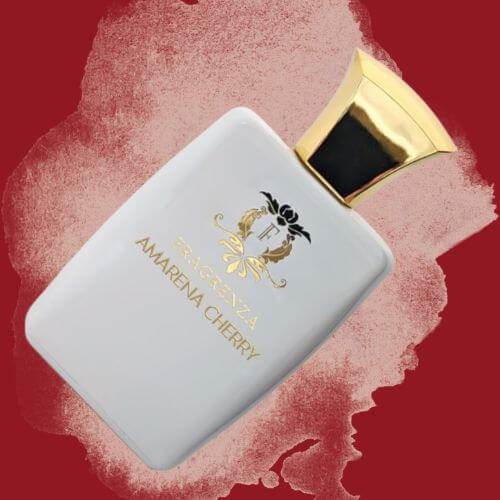
Amarena Cherry
Obsessed with cherry? If you want to really amp up the cherry scent, this Tom Ford Lost Cherry dupe will give Lost Cherry a run for its money. Black cherry, cherry syrup, and cherry liqueur all mingle together for an indulgent cherry overdose that’s complemented by notes of almond, tonka bean, Turkish rose, and jasmine sambac.
Spices
Cuminum cyminum
-
Our best sellers.
-
Adeline PDM Delina dupe Better Peach Tom Ford Bitter Peach dupe Chloris Gardenia Gucci Flora Gorgeous Gardenia dupe Fearless Love Kilian's Love, Don't Be Shy dupe Selvaggio Dior's Sauvage dupe Addict Noir YSL's Black Opium dupe Empress D&G's L'Imperatrice dupe Divino Bleu de Chanel dupe Lo amo J’Adore Dior dupe Pretty Girl Carolina Herrera's Good Girl dupe
-

What Does Labdanum Smell Like?
Discover labdanum in perfumery — its warm, animalic, balsamic scent, history from ancient Mediterranean ritual to modern ambers, and its role in iconic fragrances.
-

What Does Patchouli Smell Like?
Patchouli smells like rich, dark earth — wet woods, chocolate, and aged leather. What it really smells like, why it’s linked to weed, and how to wear it.
-

What Does Yuzu Smell Like?
What does yuzu smell like in perfumery? Explore this Japanese citrus note — its tart, floral-citrus scent, key aroma compounds, and how it elevates contemporary fragrance design.
-

What Does Amber Smell Like?
Discover what amber truly smells like in perfumery — from rare ambergris washed ashore to modern synthetics — and why it makes every fragrance warmer.

