

Collection: Ishpink, Ocotea quixos Fragrances
The perfume note of Ishpink, also known as Ocotea quixos, carries a rich, warm aroma that exemplifies the potent heart of this Amazonian tree. It opens with a spicy, slightly peppery scent that offers an invigorating, stimulating sensory experience. This initial heat is swiftly complemented by a deep, cinnamon-like undertone, reflecting the plant's fragrant bark and leaves, which are traditionally used in culinary preparations. As the scent develops, it reveals a hint of floral sweetness, suggestive of the tree's small, red blossoms. The Ishpink note infuses fragrances with a sense of wild mystique and exotic depth, its scent capturing the vibrant allure of the lush Amazon rainforest.

No products found
We don’t have a Ishpink, Ocotea quixos fragrance just yet — explore similar scents by family:
Woody · Oriental · Floral · Leather · Chypre · Aromatic · Citrus
Bestsellers our customers love
-
Amarena Cherry Amarena CherryVendor:Inspired by Tom Ford Lost CherryRegular price From $9.99Regular price
$390.00Sale price From $9.99Sale -
 Sold outSamples SamplesSold out
 -
Signorina Miele Signorina MieleVendor:Inspired by Dior Miss Dior ChérieRegular price From $9.99Regular price
$105.00Sale price From $9.99Sale -
Limone e Vaniglia Limone e VanigliaVendor:Inspired by Xerjoff LiraRegular price From $9.99Regular price
$305.00Sale price From $9.99Sale


About Ishpink, Ocotea quixos Fragrances
Ishpink, derived from the bark of Ocotea quixos — a tree native to the Amazonian and Andean regions of Ecuador and Peru — is sometimes called Ecuadorian cinnamon, though it is a distinct species in the Lauraceae family rather than true cinnamon. Used for centuries by indigenous communities in both ritual and culinary contexts, ishpink bark produces an essential oil of warm, spicy-sweet character with clear similarities to cassia and cinnamon but with a rounder, slightly more floral and balsamic depth that sets it apart from its more familiar cousins.
Olfactorily, ishpink is warmly spicy and sweetly balsamic — there is a definite cinnamon-like heat and sweetness, but it carries a smoother, less sharp quality than Sri Lankan or Chinese cinnamon, with undertones of clove, mild eugenol, and a gentle resinous warmth that feels distinctly Amazonian in character. It has a naturally rounded, almost honeyed quality that makes it exceptionally easy to work with in perfumery, blending seamlessly into oriental, amber, and woody-spice accords without the harsh burn some cinnamon materials can produce.
Perfumers value ishpink for adding an exotic, slightly unusual spice warmth to oriental and woody compositions — something that reads as cinnamon-adjacent but with greater complexity and character. It pairs beautifully with labdanum, vanilla, dark woods, rose, and oud. At Fragrenza, our ishpink collections offer dupe interpretations of warm, richly spiced fragrances that feature this remarkable Amazonian ingredient, bringing South American aromatic heritage into your collection at an accessible price.
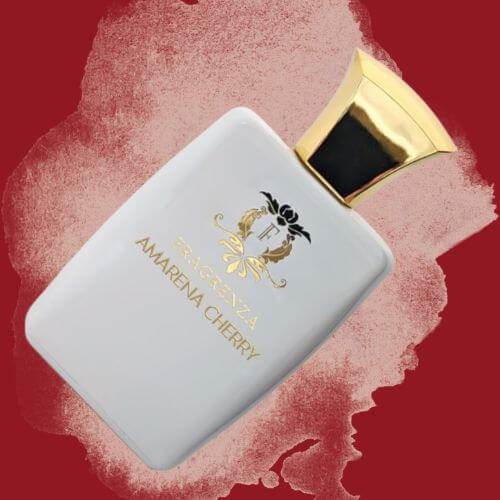
Amarena Cherry
Obsessed with cherry? If you want to really amp up the cherry scent, this Tom Ford Lost Cherry dupe will give Lost Cherry a run for its money. Black cherry, cherry syrup, and cherry liqueur all mingle together for an indulgent cherry overdose that’s complemented by notes of almond, tonka bean, Turkish rose, and jasmine sambac.
Woods And Mosses
Ocotea quixos
-
Our best sellers.
-
Adeline PDM Delina dupe Better Peach Tom Ford Bitter Peach dupe Chloris Gardenia Gucci Flora Gorgeous Gardenia dupe Fearless Love Kilian's Love, Don't Be Shy dupe Selvaggio Dior's Sauvage dupe Addict Noir YSL's Black Opium dupe Empress D&G's L'Imperatrice dupe Divino Bleu de Chanel dupe Lo amo J’Adore Dior dupe Pretty Girl Carolina Herrera's Good Girl dupe
-
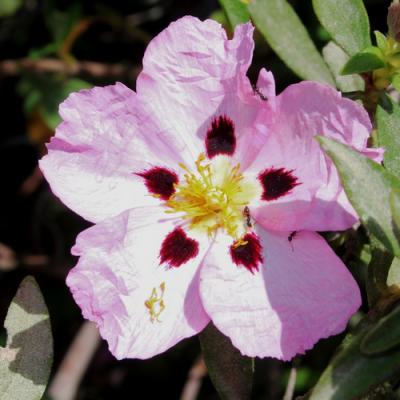
What Does Labdanum Smell Like?
Discover labdanum in perfumery — its warm, animalic, balsamic scent, history from ancient Mediterranean ritual to modern ambers, and its role in iconic fragrances.
-

What Does Patchouli Smell Like?
Patchouli smells like rich, dark earth — wet woods, chocolate, and aged leather. What it really smells like, why it’s linked to weed, and how to wear it.
-
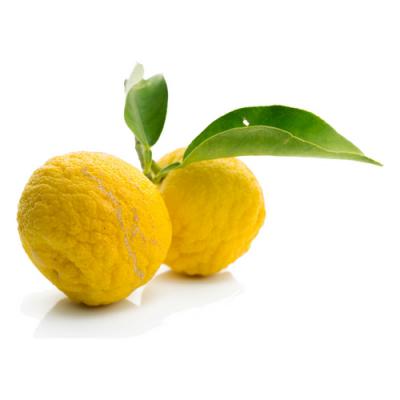
What Does Yuzu Smell Like?
What does yuzu smell like in perfumery? Explore this Japanese citrus note — its tart, floral-citrus scent, key aroma compounds, and how it elevates contemporary fragrance design.
-
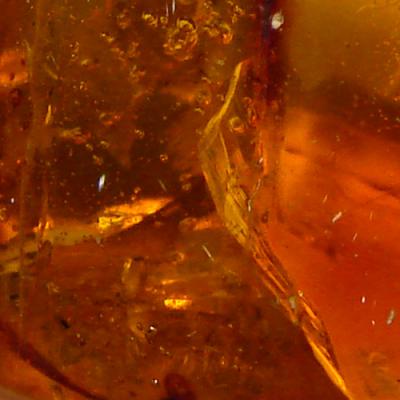
What Does Amber Smell Like?
Discover what amber truly smells like in perfumery — from rare ambergris washed ashore to modern synthetics — and why it makes every fragrance warmer.

