

Collection: Japanese Loquat Fragrances
The perfume note of Japanese loquat offers a tender, sun-ripened fruitiness drawn from the small golden fruit of an evergreen tree long cultivated in East Asia. Its scent sits somewhere between apricot, peach and plum: juicy and gently sweet, with a refreshing tartness and a delicate floral nuance that keeps it from ever feeling syrupy. On skin it reads bright and dewy at first, mellowing into a soft, nectarous warmth. Loquat blends naturally with white florals, green tea, citrus and light musks, and it lends compositions a graceful, springlike mood — fresh fruit eaten in the shade, faintly cool and quietly luscious.

No products found
We don’t have a Japanese Loquat fragrance just yet — explore similar scents by family:
Woody · Oriental · Floral · Leather · Chypre · Aromatic · Citrus
Bestsellers our customers love
-
Amarena Cherry Amarena CherryVendor:Inspired by Tom Ford Lost CherryRegular price From $9.99Regular price
$390.00Sale price From $9.99Sale -
 Sold outSamples SamplesSold out
 -
Signorina Miele Signorina MieleVendor:Inspired by Dior Miss Dior ChérieRegular price From $9.99Regular price
$105.00Sale price From $9.99Sale -
Limone e Vaniglia Limone e VanigliaVendor:Inspired by Xerjoff LiraRegular price From $9.99Regular price
$305.00Sale price From $9.99Sale


About Japanese Loquat Fragrances
The Japanese loquat — known in Japan as biwa (Eriobotrya japonica) — is a small, golden-orange fruit of remarkable aromatic charm that has been cultivated across East and Southeast Asia for over a thousand years. Originally from central China and long cherished in Japanese culinary and medicinal tradition, the loquat bears a soft, juicy flesh with a flavour that sits somewhere between apricot, peach, and mild tropical fruit, with a delicate floral sweetness and a gentle tartness that keeps it from becoming cloying.
As a fragrance note, Japanese loquat presents a warm, luminous fruitiness that is distinctly different from the louder tropical fruits in perfumery. Its olfactory character is soft and rounded — apricot-like in its honeyed warmth, with a subtle peach-skin fuzziness, a gentle citrus brightness, and a mild, tropical milkiness that makes it feel both sun-warmed and comforting. It does not shout; instead it glows, adding a refined, quietly exotic fruitiness that elevates a composition without dominating it.
Perfumers use the biwa note to bring a warm, East Asian-inflected fruitiness to florals, orientals, and gourmand-adjacent compositions. It layers beautifully with jasmine, osmanthus, soft woods, creamy musks, and light amber. At Fragrenza, our Japanese loquat collections celebrate dupe interpretations of fragrances that feature this subtly exotic, warmly fruity note — offering a sophisticated alternative to the bold tropical fruit accords that crowd so many mainstream releases.
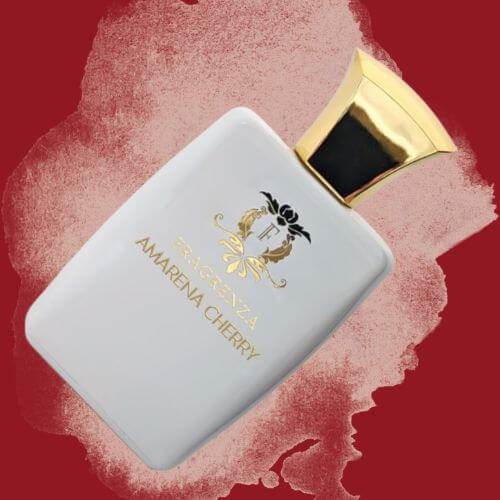
Amarena Cherry
Obsessed with cherry? If you want to really amp up the cherry scent, this Tom Ford Lost Cherry dupe will give Lost Cherry a run for its money. Black cherry, cherry syrup, and cherry liqueur all mingle together for an indulgent cherry overdose that’s complemented by notes of almond, tonka bean, Turkish rose, and jasmine sambac.
Fruits, Vegetables And Nuts
Eriobotrya japonica Other names: Japanese medlar, Japanese plum, Chinese plum
-
Our best sellers.
-
Adeline PDM Delina dupe Better Peach Tom Ford Bitter Peach dupe Chloris Gardenia Gucci Flora Gorgeous Gardenia dupe Fearless Love Kilian's Love, Don't Be Shy dupe Selvaggio Dior's Sauvage dupe Addict Noir YSL's Black Opium dupe Empress D&G's L'Imperatrice dupe Divino Bleu de Chanel dupe Lo amo J’Adore Dior dupe Pretty Girl Carolina Herrera's Good Girl dupe
-
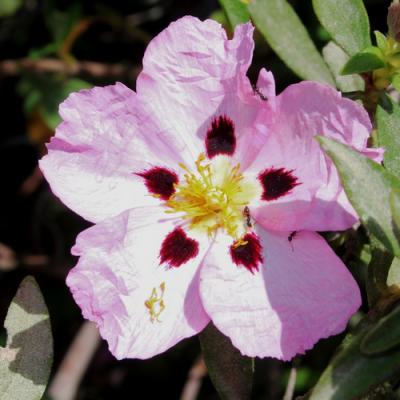
What Does Labdanum Smell Like?
Discover labdanum in perfumery — its warm, animalic, balsamic scent, history from ancient Mediterranean ritual to modern ambers, and its role in iconic fragrances.
-

What Does Patchouli Smell Like?
Patchouli smells like rich, dark earth — wet woods, chocolate, and aged leather. What it really smells like, why it’s linked to weed, and how to wear it.
-
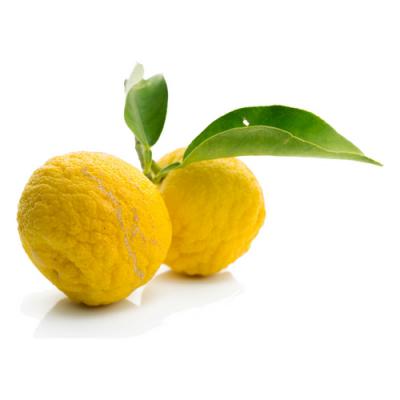
What Does Yuzu Smell Like?
What does yuzu smell like in perfumery? Explore this Japanese citrus note — its tart, floral-citrus scent, key aroma compounds, and how it elevates contemporary fragrance design.
-

What Does Amber Smell Like?
Discover what amber truly smells like in perfumery — from rare ambergris washed ashore to modern synthetics — and why it makes every fragrance warmer.

