

Collection: Kaffir Lime Fragrances
Few citrus notes are as electric as kaffir lime, also known as makrut lime, the knobbly Southeast Asian fruit whose rind and leaves are staples of Thai cooking. The note bursts open with an intensely zesty, sharp lime brightness, edged with the unmistakable lemongrass-like, citral-rich greenness of the crushed leaf. As it develops it stays vivid and aromatic, drying down with peppery, slightly herbal facets rather than sweetness. Its character is exhilarating, clean and exotic — citrus with the volume turned up. Kaffir lime energises colognes and fresh compositions, pairing brilliantly with ginger, lemongrass, green tea, vetiver and aquatic notes, and gives any opening a mouthwatering, just-grated vivacity.

No products found
We don’t have a Kaffir Lime fragrance just yet — explore similar scents by family:
Woody · Oriental · Floral · Leather · Chypre · Aromatic · Citrus
Bestsellers our customers love
-
Amarena Cherry Amarena CherryVendor:Inspired by Tom Ford Lost CherryRegular price From $9.99Regular price
$390.00Sale price From $9.99Sale -
 Sold outSamples SamplesSold out
 -
Signorina Miele Signorina MieleVendor:Inspired by Dior Miss Dior ChérieRegular price From $9.99Regular price
$105.00Sale price From $9.99Sale -
Limone e Vaniglia Limone e VanigliaVendor:Inspired by Xerjoff LiraRegular price From $9.99Regular price
$305.00Sale price From $9.99Sale


About Kaffir Lime Fragrances
Kaffir lime — more accurately called makrut lime (Citrus hystrix) — is an indispensable aromatic ingredient throughout Southeast Asian cuisine and traditional medicine. Native to tropical Asia, the makrut lime tree is prized above all for its uniquely double-lobed leaves, which carry one of the most intensely aromatic scents in the citrus family — a piercing, citrusy-floral fragrance quite different from the fruit's juice. The leaves are a cornerstone of Thai, Indonesian, and Cambodian cooking, perfuming everything from curries to soups with their unmistakable bright, complex citrus character.
In perfumery, makrut lime leaf is a powerhouse aromatic note — intensely citrusy yet simultaneously floral, with a distinctive complexity that standard lime juice simply cannot match. The leaf's scent opens with a sharp, almost electric citrus brightness — zestier and more aromatic than regular lime — before revealing a green, slightly herbal floral heart with a faint spicy edge reminiscent of lemongrass and kaffir blossom. It is vivid, tenacious, and unmistakable, with far greater longevity than the juice of the fruit. It blends superbly with ginger, galangal, lemongrass, bergamot, and fresh aquatic notes.
Makrut lime leaf has become an increasingly popular note in contemporary niche and mainstream perfumery, prized for its ability to add genuine aromatic complexity and Southeast Asian character to fresh, citrus, and green-aromatic compositions. Its unusual floral-citrus duality sets it apart from every other citrus ingredient. At Fragrenza, our kaffir lime collection captures this distinctive Southeast Asian aromatic in expertly crafted dupe fragrances — vibrant, complex, and refreshingly affordable.
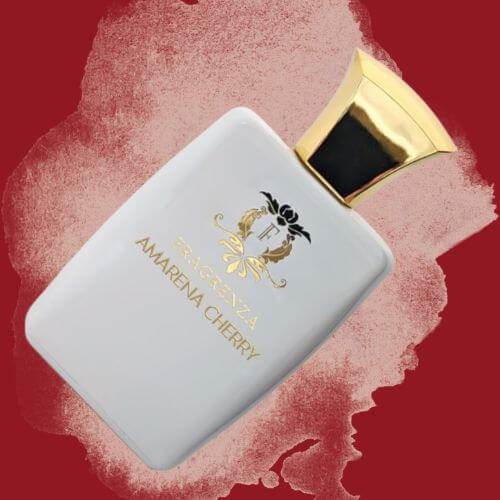
Amarena Cherry
Obsessed with cherry? If you want to really amp up the cherry scent, this Tom Ford Lost Cherry dupe will give Lost Cherry a run for its money. Black cherry, cherry syrup, and cherry liqueur all mingle together for an indulgent cherry overdose that’s complemented by notes of almond, tonka bean, Turkish rose, and jasmine sambac.
Citrus Smells
Citrus hystrix Other names: Makrut Lime
-
Our best sellers.
-
Adeline PDM Delina dupe Better Peach Tom Ford Bitter Peach dupe Chloris Gardenia Gucci Flora Gorgeous Gardenia dupe Fearless Love Kilian's Love, Don't Be Shy dupe Selvaggio Dior's Sauvage dupe Addict Noir YSL's Black Opium dupe Empress D&G's L'Imperatrice dupe Divino Bleu de Chanel dupe Lo amo J’Adore Dior dupe Pretty Girl Carolina Herrera's Good Girl dupe
-
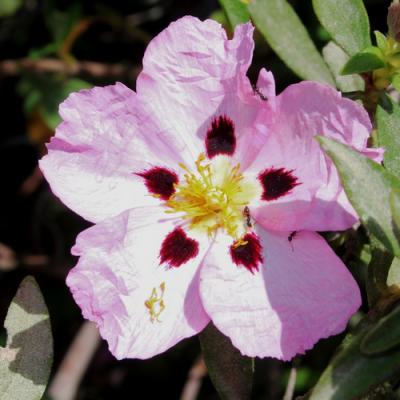
What Does Labdanum Smell Like?
Discover labdanum in perfumery — its warm, animalic, balsamic scent, history from ancient Mediterranean ritual to modern ambers, and its role in iconic fragrances.
-

What Does Patchouli Smell Like?
Patchouli smells like rich, dark earth — wet woods, chocolate, and aged leather. What it really smells like, why it’s linked to weed, and how to wear it.
-
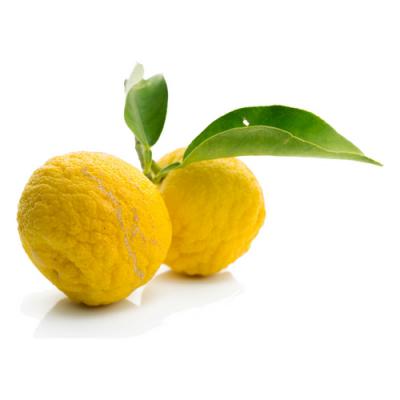
What Does Yuzu Smell Like?
What does yuzu smell like in perfumery? Explore this Japanese citrus note — its tart, floral-citrus scent, key aroma compounds, and how it elevates contemporary fragrance design.
-
What Does Amber Smell Like?
Discover what amber truly smells like in perfumery — from rare ambergris washed ashore to modern synthetics — and why it makes every fragrance warmer.

