

Collection: Karo-Karounde Fragrances
Karo-karounde brings one of Africa's most intriguing floral voices to perfumery: the blossom of a West African shrub whose scent is intensely sweet and intoxicating, close kin to jasmine yet unmistakably its own. It opens heady and narcotic, with a peculiar bitter-almond nuance threading through the white-floral richness, and develops greener, subtly leathery undertones that lend it a wilder, more untamed edge than its jasmine cousins. The mood it creates is sultry and mysterious — moonlit rather than sunlit. Karo-karounde pairs powerfully with jasmine, tuberose and orange blossom, as well as woods and leather, giving floral compositions an exotic depth that lingers in the memory.

No products found
Curious about this note? Read our guide: Karo Karoundé in Perfumery: Africa's Hidden Floral Treasure
We don’t have a Karo-Karounde fragrance just yet — explore similar scents by family:
Woody · Oriental · Floral · Leather · Chypre · Aromatic · Citrus
Bestsellers our customers love
-
Amarena Cherry Amarena CherryVendor:Inspired by Tom Ford Lost CherryRegular price From $9.99Regular price
$390.00Sale price From $9.99Sale -
 Sold outSamples SamplesSold out
 -
Signorina Miele Signorina MieleVendor:Inspired by Dior Miss Dior ChérieRegular price From $9.99Regular price
$105.00Sale price From $9.99Sale -
Limone e Vaniglia Limone e VanigliaVendor:Inspired by Xerjoff LiraRegular price From $9.99Regular price
$305.00Sale price From $9.99Sale


About Karo-Karounde Fragrances
Karo-karounde (Dichrostachys glomerata or Faurea saligna, depending on regional usage) refers to a group of flowering plants from West and Central Africa — sometimes described as a gardenia relative — that produce flowers of exceptional sweetness and floral intensity. These blooms are used in traditional West African culture as adornment and in ceremonial contexts, where their extraordinary fragrance is considered a mark of beauty and abundance. The flowers are rarely found in Western botanical markets, making them an exotic and alluring note in the global fragrance vocabulary.
The scent of karo-karounde is intensely floral — a rich, sweet, white-floral character that shares the heady opulence of gardenia and tuberose while possessing its own distinctive tropical warmth. It is a full-bodied, unapologetically sensual floral: the kind of bloom that doesn't merely scent the air but saturates it. Beneath the white floral sweetness lies a subtle creamy-coconut undertone and a faint spicy warmth that keeps the note from becoming purely linear. It layers magnificently with jasmine, ylang-ylang, tiare, and rich sandalwood bases in compositions designed to maximise opulent floral impact.
Karo-karounde is a prized note in luxurious white floral and tropical floral compositions — a testament to the extraordinary botanical diversity of West Africa's flora and an invitation to explore fragrance traditions beyond the European canon. Its rarity gives perfumes built around it a genuine exclusivity. At Fragrenza, our karo-karounde collection brings this extraordinary West African bloom into beautifully crafted dupe fragrances — delivering exotic floral opulence at everyday prices.
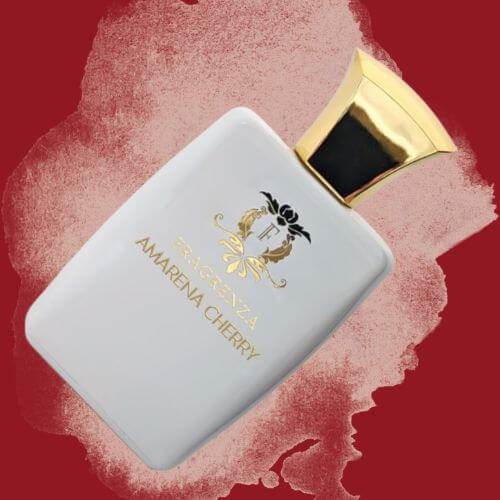
Amarena Cherry
Obsessed with cherry? If you want to really amp up the cherry scent, this Tom Ford Lost Cherry dupe will give Lost Cherry a run for its money. Black cherry, cherry syrup, and cherry liqueur all mingle together for an indulgent cherry overdose that’s complemented by notes of almond, tonka bean, Turkish rose, and jasmine sambac.
White Flowers
Leptactina Senegambica
-
Our best sellers.
-
Adeline PDM Delina dupe Better Peach Tom Ford Bitter Peach dupe Chloris Gardenia Gucci Flora Gorgeous Gardenia dupe Fearless Love Kilian's Love, Don't Be Shy dupe Selvaggio Dior's Sauvage dupe Addict Noir YSL's Black Opium dupe Empress D&G's L'Imperatrice dupe Divino Bleu de Chanel dupe Lo amo J’Adore Dior dupe Pretty Girl Carolina Herrera's Good Girl dupe
-
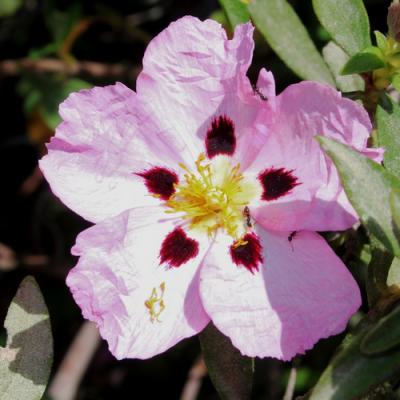
What Does Labdanum Smell Like?
Discover labdanum in perfumery — its warm, animalic, balsamic scent, history from ancient Mediterranean ritual to modern ambers, and its role in iconic fragrances.
-

What Does Patchouli Smell Like?
Patchouli smells like rich, dark earth — wet woods, chocolate, and aged leather. What it really smells like, why it’s linked to weed, and how to wear it.
-
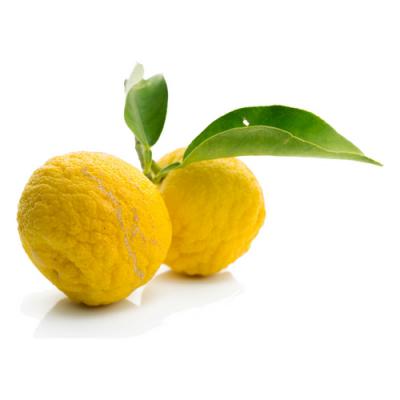
What Does Yuzu Smell Like?
What does yuzu smell like in perfumery? Explore this Japanese citrus note — its tart, floral-citrus scent, key aroma compounds, and how it elevates contemporary fragrance design.
-
What Does Amber Smell Like?
Discover what amber truly smells like in perfumery — from rare ambergris washed ashore to modern synthetics — and why it makes every fragrance warmer.

