

Collection: Kephalis Fragrances
In modern perfumery, Kephalis is one of the quiet workhorses: a synthetic aroma molecule with a smooth woody-ambery character closely resembling cedar, warmed by subtle facets of tobacco and dry amber. It opens soft and diffusive rather than sharp, then unfolds into a long-lasting, velvety woodiness that gives compositions remarkable depth and persistence in the base. Its temperament is warm, dry and quietly elegant — structure rather than spectacle. Kephalis blends seamlessly with florals, where it adds body without heaviness, and with tobacco, leather, amber and other woods, making it a favourite backbone for contemporary woody and oriental fragrances that need richness with a clean, modern finish.

No products found
We don’t have a Kephalis fragrance just yet — explore similar scents by family:
Woody · Oriental · Floral · Leather · Chypre · Aromatic · Citrus
Bestsellers our customers love
-
Amarena Cherry Amarena CherryVendor:Inspired by Tom Ford Lost CherryRegular price From $9.99Regular price
$390.00Sale price From $9.99Sale -
 Sold outSamples SamplesSold out
 -
Signorina Miele Signorina MieleVendor:Inspired by Dior Miss Dior ChérieRegular price From $9.99Regular price
$105.00Sale price From $9.99Sale -
Limone e Vaniglia Limone e VanigliaVendor:Inspired by Xerjoff LiraRegular price From $9.99Regular price
$305.00Sale price From $9.99Sale


About Kephalis Fragrances
Kephalis is a captivating synthetic fragrance molecule developed by the Swiss fragrance ingredient company Givaudan. Unlike natural ingredients tied to a specific plant or region, Kephalis was designed in the laboratory to provide a distinctive and versatile olfactory character that perfumers could use to build modern compositions with depth and longevity. Synthetic molecules like Kephalis are among the most important tools in contemporary perfumery, enabling effects and nuances that nature alone cannot reliably provide.
The olfactory profile of Kephalis is a sophisticated blend of musky, woody, and subtly floral facets. At its heart, it is a warm, skin-close musk — smooth, sensual, and intimate — but distinguished from simpler musk molecules by a woody, slightly cedar-like dimension that gives it structure and presence. A delicate floral undertone adds a touch of softness without tipping it toward a conventional floral character. The overall effect is modern, clean, and highly wearable — the kind of base note that makes a fragrance feel effortlessly polished and skin-close. It blends seamlessly with virtually any material, elevating compositions from woody-oriental to clean-fresh.
Kephalis appears widely across contemporary prestige and designer fragrance, typically in the base or heart of compositions where its musk-woody profile provides a seamless, long-lasting foundation. It is particularly valued in modern clean musks, feminine florals, and sophisticated masculine woods. At Fragrenza, our Kephalis collection showcases this versatile synthetic molecule through premium dupe fragrances — capturing the polished, modern sophistication of the world's best perfumes at prices that make fine fragrance genuinely accessible.
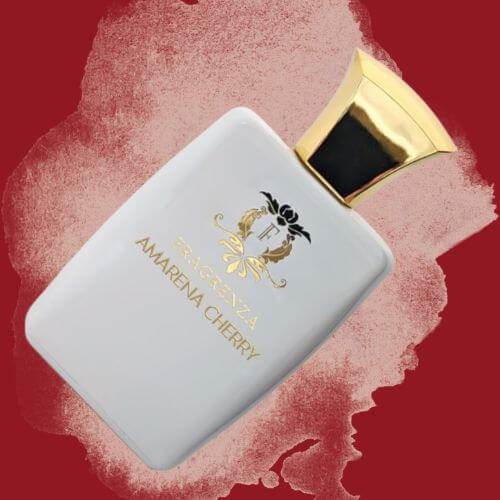
Amarena Cherry
Obsessed with cherry? If you want to really amp up the cherry scent, this Tom Ford Lost Cherry dupe will give Lost Cherry a run for its money. Black cherry, cherry syrup, and cherry liqueur all mingle together for an indulgent cherry overdose that’s complemented by notes of almond, tonka bean, Turkish rose, and jasmine sambac.
Musk, Amber, Animalic Smells
Kephalis
-
Our best sellers.
-
Adeline PDM Delina dupe Better Peach Tom Ford Bitter Peach dupe Chloris Gardenia Gucci Flora Gorgeous Gardenia dupe Fearless Love Kilian's Love, Don't Be Shy dupe Selvaggio Dior's Sauvage dupe Addict Noir YSL's Black Opium dupe Empress D&G's L'Imperatrice dupe Divino Bleu de Chanel dupe Lo amo J’Adore Dior dupe Pretty Girl Carolina Herrera's Good Girl dupe
-

What Does Labdanum Smell Like?
Discover labdanum in perfumery — its warm, animalic, balsamic scent, history from ancient Mediterranean ritual to modern ambers, and its role in iconic fragrances.
-

What Does Patchouli Smell Like?
Patchouli smells like rich, dark earth — wet woods, chocolate, and aged leather. What it really smells like, why it’s linked to weed, and how to wear it.
-

What Does Yuzu Smell Like?
What does yuzu smell like in perfumery? Explore this Japanese citrus note — its tart, floral-citrus scent, key aroma compounds, and how it elevates contemporary fragrance design.
-

What Does Amber Smell Like?
Discover what amber truly smells like in perfumery — from rare ambergris washed ashore to modern synthetics — and why it makes every fragrance warmer.

