

Collection: Khella Fragrances
The perfume note of khella unfolds with the warm, aromatic character of a Mediterranean umbellifer long valued in traditional herbalism. Its essence is distinctly herbaceous: green and slightly bitter on opening, like crushed stems and dried meadow plants, before mellowing into a softer, sweetish, almost hay-like warmth with faint balsamic undertones. The effect is rustic and sun-dried rather than lush — a scent of apothecaries and summer fields. In perfumery khella remains a rarity, used to lend authenticity to aromatic, fougère and herbal compositions, where it sits naturally alongside lavender, chamomile, immortelle and dry woods, adding an earthy, old-world depth that synthetic greens cannot quite imitate.

No products found
We don’t have a Khella fragrance just yet — explore similar scents by family:
Woody · Oriental · Floral · Leather · Chypre · Aromatic · Citrus
Bestsellers our customers love
-
Amarena Cherry Amarena CherryVendor:Inspired by Tom Ford Lost CherryRegular price From $9.99Regular price
$390.00Sale price From $9.99Sale -
 Sold outSamples SamplesSold out
 -
Signorina Miele Signorina MieleVendor:Inspired by Dior Miss Dior ChérieRegular price From $9.99Regular price
$105.00Sale price From $9.99Sale -
Limone e Vaniglia Limone e VanigliaVendor:Inspired by Xerjoff LiraRegular price From $9.99Regular price
$305.00Sale price From $9.99Sale


About Khella Fragrances
Khella (Ammi visnaga) is a plant with deep roots in North African and Middle Eastern herbal tradition. Native to the Mediterranean basin and widely used in Egyptian and Moroccan folk medicine for millennia, its seeds have been employed as a natural remedy for respiratory and urinary conditions, and the dried stems were traditionally used as toothpicks — giving rise to the common name toothpick plant. Khella's delicate white flower clusters resemble those of Queen Anne's lace, and the whole plant carries a distinctive aromatic character.
In fragrance, khella is a complex herbal-aromatic note with a medicinal edge that is simultaneously challenging and fascinating. Its dominant character is herbal and slightly bitter — faintly reminiscent of carrot seed and cumin but with its own unique quality: a dry, slightly dusty, sun-baked herbaceousness that evokes the aromatic scrublands of the North African coast. There is a subtle sweetness underneath, like dried herbs warmed by afternoon sun, which keeps it from being purely medicinal. It blends interestingly with rose, oud, amber, and earthy vetiver in oriental and aromatic compositions seeking authenticity and cultural depth.
Khella is a niche, thought-provoking note that appears primarily in artisanal and Middle Eastern-inspired fragrances where its unusual herbal character becomes a genuine point of distinction. It rewards those who look beyond the familiar in their scent choices. At Fragrenza, our khella collection offers a gateway into the rich aromatic heritage of North Africa through beautifully crafted dupe fragrances — bringing rare olfactory experience to curious fragrance lovers at accessible prices.
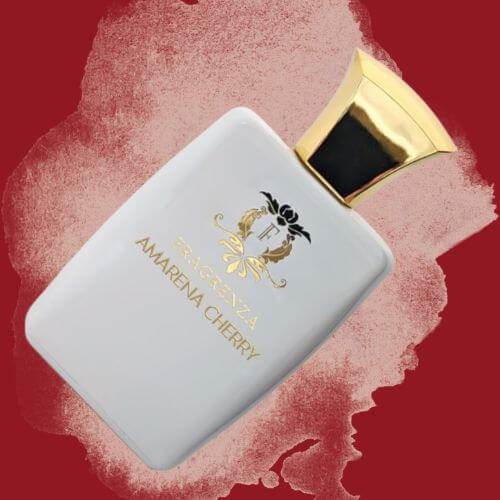
Amarena Cherry
Obsessed with cherry? If you want to really amp up the cherry scent, this Tom Ford Lost Cherry dupe will give Lost Cherry a run for its money. Black cherry, cherry syrup, and cherry liqueur all mingle together for an indulgent cherry overdose that’s complemented by notes of almond, tonka bean, Turkish rose, and jasmine sambac.
Greens, Herbs And Fougeres
Amni visnaga, toothpickweed, bisnaga Other names: toothpickweed, bisnaga
-
Our best sellers.
-
Adeline PDM Delina dupe Better Peach Tom Ford Bitter Peach dupe Chloris Gardenia Gucci Flora Gorgeous Gardenia dupe Fearless Love Kilian's Love, Don't Be Shy dupe Selvaggio Dior's Sauvage dupe Addict Noir YSL's Black Opium dupe Empress D&G's L'Imperatrice dupe Divino Bleu de Chanel dupe Lo amo J’Adore Dior dupe Pretty Girl Carolina Herrera's Good Girl dupe
-

What Does Labdanum Smell Like?
Discover labdanum in perfumery — its warm, animalic, balsamic scent, history from ancient Mediterranean ritual to modern ambers, and its role in iconic fragrances.
-

What Does Patchouli Smell Like?
Patchouli smells like rich, dark earth — wet woods, chocolate, and aged leather. What it really smells like, why it’s linked to weed, and how to wear it.
-

What Does Yuzu Smell Like?
What does yuzu smell like in perfumery? Explore this Japanese citrus note — its tart, floral-citrus scent, key aroma compounds, and how it elevates contemporary fragrance design.
-

What Does Amber Smell Like?
Discover what amber truly smells like in perfumery — from rare ambergris washed ashore to modern synthetics — and why it makes every fragrance warmer.

