

Collection: Kumbaru Fragrances
Few notes travel as far from the mainstream as kumbaru, a rare botanical drawn from a South American tree whose fruit has long been prized in regional cooking. On the skin it opens with an unusual green freshness, often likened to wet grass and crushed leaves, before warming into something earthier and quietly sweet.
As it settles, kumbaru reveals a softly fruity, almost gourmand drydown that lends compositions a foodie warmth without obvious sugariness. Perfumers reach for it as a base-note curiosity, pairing it with woods, resins and incense, where its untamed, rustic character adds depth and an air of distant, sun-baked landscapes.

No products found
We don’t have a Kumbaru fragrance just yet — explore similar scents by family:
Woody · Oriental · Floral · Leather · Chypre · Aromatic · Citrus
Bestsellers our customers love
-
Amarena Cherry Amarena CherryVendor:Inspired by Tom Ford Lost CherryRegular price From $9.99Regular price
$390.00Sale price From $9.99Sale -
 Sold outSamples SamplesSold out
 -
Signorina Miele Signorina MieleVendor:Inspired by Dior Miss Dior ChérieRegular price From $9.99Regular price
$105.00Sale price From $9.99Sale -
Limone e Vaniglia Limone e VanigliaVendor:Inspired by Xerjoff LiraRegular price From $9.99Regular price
$305.00Sale price From $9.99Sale


About Kumbaru Fragrances
Kumbaru refers to trees from the Burseraceae family found in South America — a botanical family that also gives the world frankincense, myrrh, and copal. These resinous trees grow in the tropical forests of Brazil and neighbouring countries, where they have long been used by indigenous communities for their aromatic wood and healing resins. Like their Old World cousins, kumbaru trees produce fragrant gum-resins when their bark is wounded, yielding materials of considerable olfactory richness.
The scent of kumbaru is deeply rooted in the forest — resinous and incense-like with an earthy, slightly smoky character that evokes the damp undergrowth of the Amazon basin. There is a warm, balsamic quality to it reminiscent of copal or green frankincense, with subtle woody and herbal undertones that ground it firmly in the natural world. It lacks the sharp brightness of citrus resins, offering instead a quieter, more meditative depth — the kind of scent that speaks of ancient trees, sacred smoke, and undisturbed wilderness. It pairs well with patchouli, vetiver, oud, cedarwood, and dark amber.
Kumbaru is a niche note that appears most often in artisanal and natural perfumery, where its raw, untamed character is celebrated rather than smoothed away. It suits smoky-resinous, incense-forward, and forest compositions beautifully. At Fragrenza, our kumbaru collection explores this little-known South American treasure through expertly formulated dupe fragrances that bring the depth of the rainforest to your fragrance wardrobe — at a price that makes exploration irresistible.
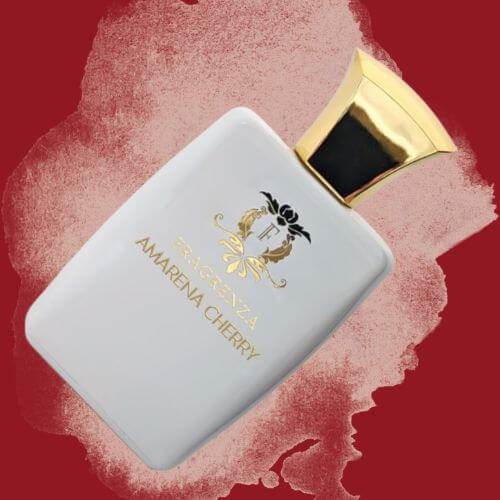
Amarena Cherry
Obsessed with cherry? If you want to really amp up the cherry scent, this Tom Ford Lost Cherry dupe will give Lost Cherry a run for its money. Black cherry, cherry syrup, and cherry liqueur all mingle together for an indulgent cherry overdose that’s complemented by notes of almond, tonka bean, Turkish rose, and jasmine sambac.
Fruits, Vegetables And Nuts
Geoffroea decorticans Other names: Chilean palo verde, Green wood, Chañar
-
Our best sellers.
-
Adeline PDM Delina dupe Better Peach Tom Ford Bitter Peach dupe Chloris Gardenia Gucci Flora Gorgeous Gardenia dupe Fearless Love Kilian's Love, Don't Be Shy dupe Selvaggio Dior's Sauvage dupe Addict Noir YSL's Black Opium dupe Empress D&G's L'Imperatrice dupe Divino Bleu de Chanel dupe Lo amo J’Adore Dior dupe Pretty Girl Carolina Herrera's Good Girl dupe
-
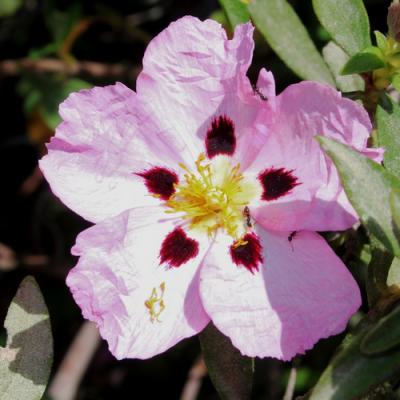
What Does Labdanum Smell Like?
Discover labdanum in perfumery — its warm, animalic, balsamic scent, history from ancient Mediterranean ritual to modern ambers, and its role in iconic fragrances.
-

What Does Patchouli Smell Like?
Patchouli smells like rich, dark earth — wet woods, chocolate, and aged leather. What it really smells like, why it’s linked to weed, and how to wear it.
-
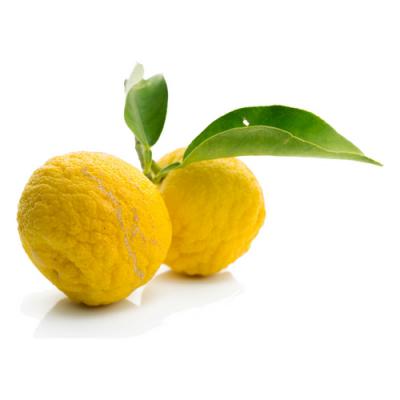
What Does Yuzu Smell Like?
What does yuzu smell like in perfumery? Explore this Japanese citrus note — its tart, floral-citrus scent, key aroma compounds, and how it elevates contemporary fragrance design.
-
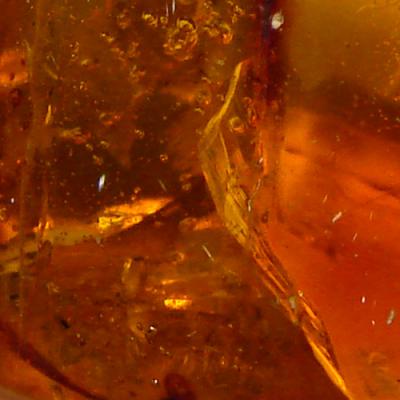
What Does Amber Smell Like?
Discover what amber truly smells like in perfumery — from rare ambergris washed ashore to modern synthetics — and why it makes every fragrance warmer.

