

Collection: Mignonette Fragrances
Few flowers were as adored in nineteenth-century gardens as mignonette, the unassuming Mediterranean herb whose name means "little darling". Its modest greenish flower spikes release a disproportionately lovely scent: very sweet and fresh, with violet-like powdery facets and juicy fruity nuances that once made it a staple of Victorian window boxes. In perfumery the note opens green and dewy, blossoming into a soft, raspberry-tinged floral sweetness with a gentle, earthy-rooty undertone. Mignonette pairs charmingly with violet, rose, iris and green notes, lending compositions an old-fashioned, lovingly tended garden mood — romantic, demure and quietly nostalgic, like pressed flowers rediscovered between the pages of a book.

No products found
We don’t have a Mignonette fragrance just yet — explore similar scents by family:
Woody · Oriental · Floral · Leather · Chypre · Aromatic · Citrus
Bestsellers our customers love
-
Amarena Cherry Amarena CherryVendor:Inspired by Tom Ford Lost CherryRegular price From $9.99Regular price
$390.00Sale price From $9.99Sale -
 Sold outSamples SamplesSold out
 -
Signorina Miele Signorina MieleVendor:Inspired by Dior Miss Dior ChérieRegular price From $9.99Regular price
$105.00Sale price From $9.99Sale -
Limone e Vaniglia Limone e VanigliaVendor:Inspired by Xerjoff LiraRegular price From $9.99Regular price
$305.00Sale price From $9.99Sale


About Mignonette Fragrances
Mignonette — botanical name Reseda odorata — is one of perfumery's most quietly distinguished and historically beloved flowers. Native to North Africa and widely cultivated across Europe from the 18th century onward, it was a favorite of Napoleon Bonaparte, who reportedly had it grown at Malmaison for Josephine. Its tiny, unprepossessing blossoms produce a scent of remarkable character: simultaneously sweet and green, with dry hay-like undertones, a faint fruitiness, and a dusty, almost violet-like quality that feels both vintage and deeply refined.
In olfactory terms, mignonette occupies a unique and somewhat elusive position. It is not boldly floral like rose or jasmine, nor sharply green like galbanum — instead it sits in a nuanced middle space, suggesting freshly cut hay, warm beeswax, and a delicate, powdery sweetness that dries down with beautiful vintage character. Because natural mignonette absolute is rarely produced commercially, the note is typically reconstructed by perfumers, making each interpretation slightly distinct and endlessly interesting to collectors of vintage-inspired or unconventional fragrances.
Compositions featuring mignonette tend to attract those with a love of historical perfumery, green-floral elegance, and dry, intellectual beauty over obvious sweetness. They evoke 19th-century French gardens, pressed botanical specimens, and the refined understatement of old European perfumery traditions. At Fragrenza, we bring these rare and historically resonant fragrance profiles to life through premium-quality dupes at accessible prices.
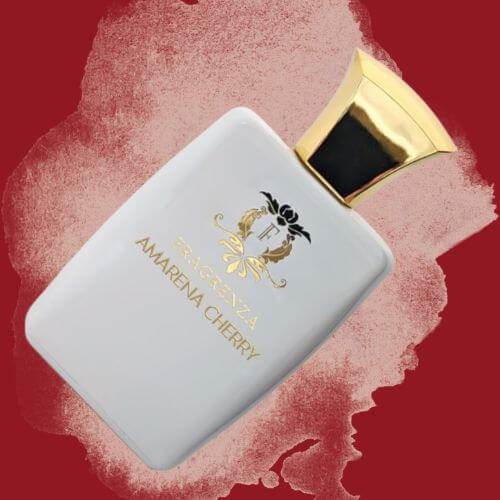
Amarena Cherry
Obsessed with cherry? If you want to really amp up the cherry scent, this Tom Ford Lost Cherry dupe will give Lost Cherry a run for its money. Black cherry, cherry syrup, and cherry liqueur all mingle together for an indulgent cherry overdose that’s complemented by notes of almond, tonka bean, Turkish rose, and jasmine sambac.
Flowers
Reseda odorata Other names: Reseda, Sweet Reseda, Weld, Dyer's Rocket,
-
Our best sellers.
-
Adeline PDM Delina dupe Better Peach Tom Ford Bitter Peach dupe Chloris Gardenia Gucci Flora Gorgeous Gardenia dupe Fearless Love Kilian's Love, Don't Be Shy dupe Selvaggio Dior's Sauvage dupe Addict Noir YSL's Black Opium dupe Empress D&G's L'Imperatrice dupe Divino Bleu de Chanel dupe Lo amo J’Adore Dior dupe Pretty Girl Carolina Herrera's Good Girl dupe
-
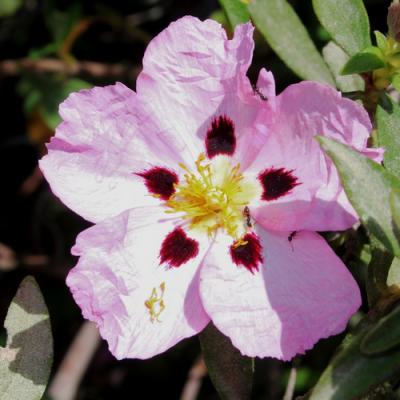
What Does Labdanum Smell Like?
Discover labdanum in perfumery — its warm, animalic, balsamic scent, history from ancient Mediterranean ritual to modern ambers, and its role in iconic fragrances.
-

What Does Patchouli Smell Like?
Patchouli smells like rich, dark earth — wet woods, chocolate, and aged leather. What it really smells like, why it’s linked to weed, and how to wear it.
-
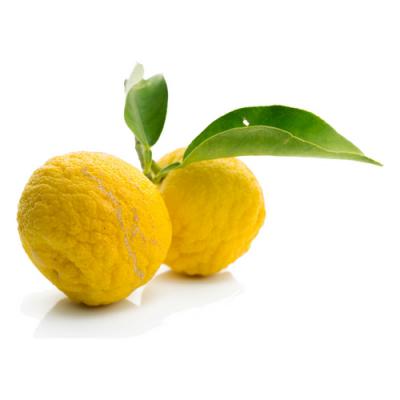
What Does Yuzu Smell Like?
What does yuzu smell like in perfumery? Explore this Japanese citrus note — its tart, floral-citrus scent, key aroma compounds, and how it elevates contemporary fragrance design.
-

What Does Amber Smell Like?
Discover what amber truly smells like in perfumery — from rare ambergris washed ashore to modern synthetics — and why it makes every fragrance warmer.

