

Collection: Oak Fragrances
The perfume note of oak unfolds with an aromatic woody character grounded in earthy nuances — the smell of dense, dry heartwood, tannic and quietly powerful. The opening is robust and slightly raw, like freshly sawn planks, before mellowing into warmer facets of toasted wood, faint smoke and the boozy sweetness absorbed by barrels that age whisky and wine. Underneath runs a mossy, mineral dampness that recalls ancient trunks and forest soil. The character is solid, dignified and enduring, a note of permanence rather than flash. Oak pairs superbly with vetiver, oakmoss and leather, with rum and whisky accords, tobacco, amber and dark spices, anchoring compositions with stately, old-growth gravitas.

No products found
Curious about this note? Read our guide: Oak and Oakmoss in Perfumery 2026: The Two Different Materials That Built Modern Chypre
We don’t have a Oak fragrance just yet — explore similar scents by family:
Woody · Oriental · Floral · Leather · Chypre · Aromatic · Citrus
Bestsellers our customers love
-
Amarena Cherry Amarena CherryVendor:Inspired by Tom Ford Lost CherryRegular price From $9.99Regular price
$390.00Sale price From $9.99Sale -
 Sold outSamples SamplesSold out
 -
Signorina Miele Signorina MieleVendor:Inspired by Dior Miss Dior ChérieRegular price From $9.99Regular price
$105.00Sale price From $9.99Sale -
Limone e Vaniglia Limone e VanigliaVendor:Inspired by Xerjoff LiraRegular price From $9.99Regular price
$305.00Sale price From $9.99Sale


About Oak Fragrances
Oak wood is one of perfumery's most enduring materials — a dry, tannic, and deeply structural note that has underpinned Western fragrance traditions for centuries. The oak tree, Quercus robur and its relatives, yields a wood with a distinctive character: smooth yet complex, with a dryness that reads as both masculine and timeless. Whether encountered in aged wine barrels, forest clearings, or the base of a classic chypre, oak wood carries an unmistakable authority.
In olfactory terms, oak wood sits firmly in the dry-woody register. It is less sweet than sandalwood, less sharp than cedar, and less smoky than birch — instead offering a clean, tannic depth that feels grounded and assured. There is often a faint earthiness to oak, a whisper of moss and forest floor that connects it to its natural habitat. This quality made it an anchor ingredient in the chypre tradition, where it worked in concert with oakmoss, labdanum, and bergamot to create some of the twentieth century's most celebrated fragrances.
Oak works beautifully across a wide range of fragrance contexts — pairing with leather, tobacco, and vetiver in bold masculine compositions, or with iris, rose, and aldehydes in more refined, classic structures. It adds backbone without aggression. At Fragrenza, our oak wood collections pay tribute to this timeless material, offering expertly crafted fragrance dupes inspired by the world's finest designer and niche perfumes — at prices that open luxury up to everyone.
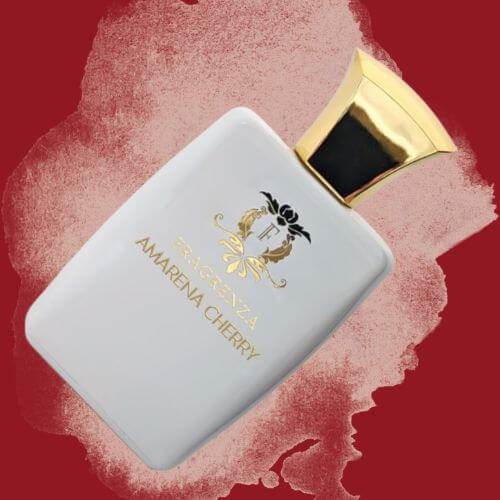
Amarena Cherry
Obsessed with cherry? If you want to really amp up the cherry scent, this Tom Ford Lost Cherry dupe will give Lost Cherry a run for its money. Black cherry, cherry syrup, and cherry liqueur all mingle together for an indulgent cherry overdose that’s complemented by notes of almond, tonka bean, Turkish rose, and jasmine sambac.
Woods And Mosses
Quercus
-
Our best sellers.
-
Adeline PDM Delina dupe Better Peach Tom Ford Bitter Peach dupe Chloris Gardenia Gucci Flora Gorgeous Gardenia dupe Fearless Love Kilian's Love, Don't Be Shy dupe Selvaggio Dior's Sauvage dupe Addict Noir YSL's Black Opium dupe Empress D&G's L'Imperatrice dupe Divino Bleu de Chanel dupe Lo amo J’Adore Dior dupe Pretty Girl Carolina Herrera's Good Girl dupe
-

What Does Labdanum Smell Like?
Discover labdanum in perfumery — its warm, animalic, balsamic scent, history from ancient Mediterranean ritual to modern ambers, and its role in iconic fragrances.
-

What Does Patchouli Smell Like?
Patchouli smells like rich, dark earth — wet woods, chocolate, and aged leather. What it really smells like, why it’s linked to weed, and how to wear it.
-

What Does Yuzu Smell Like?
What does yuzu smell like in perfumery? Explore this Japanese citrus note — its tart, floral-citrus scent, key aroma compounds, and how it elevates contemporary fragrance design.
-

What Does Amber Smell Like?
Discover what amber truly smells like in perfumery — from rare ambergris washed ashore to modern synthetics — and why it makes every fragrance warmer.

