


-
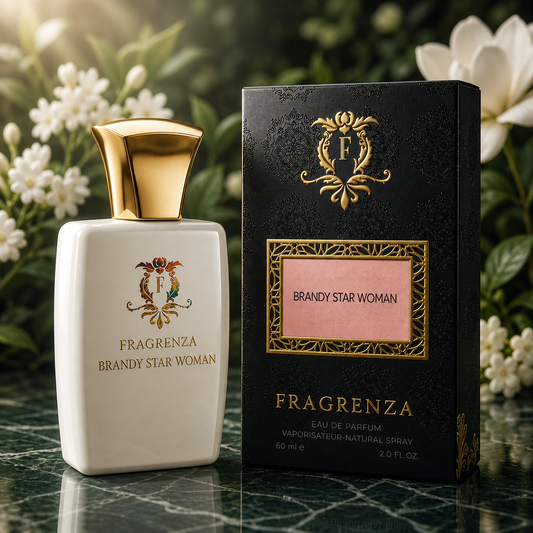
Brandy Star Woman Brandy Star WomanVendor:Inspired by Amouage Sunshine WomanRegular price From $9.99Regular price
$360.00Sale price From $9.99Sale -
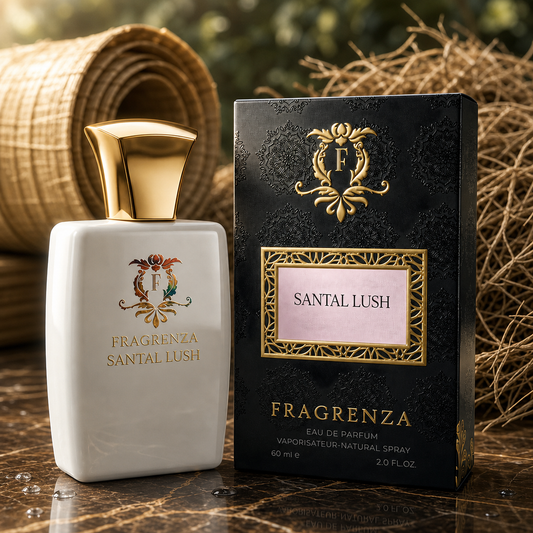
Santal Lush Santal LushVendor:Regular price From $9.99Regular price
$200.00Sale price From $9.99Sale -
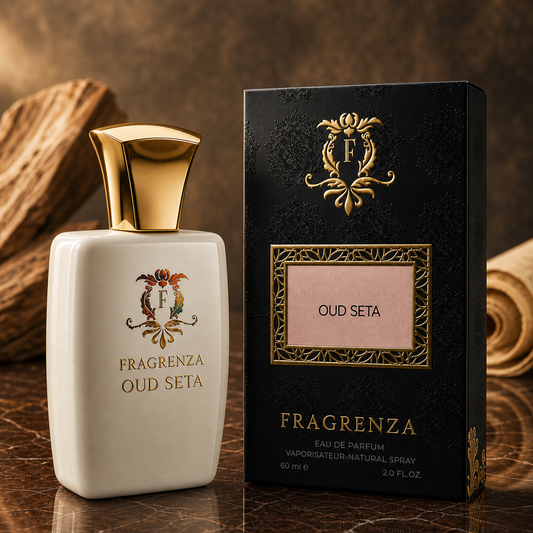
Oud Seta Oud SetaVendor:Inspired by MFK Oud Silk MoodRegular price From $9.99Regular price
$300.00Sale price From $9.99Sale -
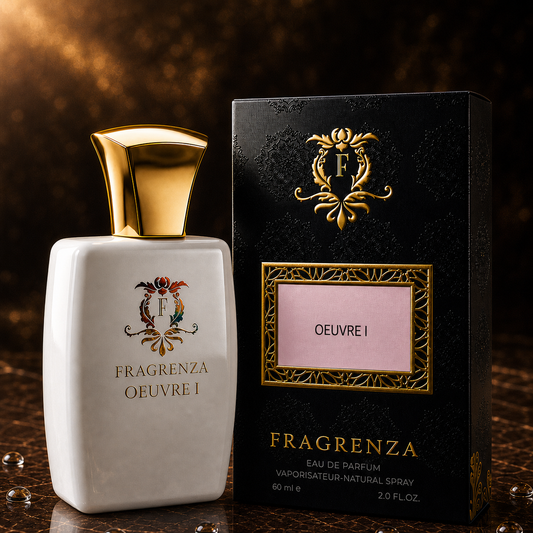
Oeuvre I Oeuvre IVendor:Inspired by Amouage Opus IRegular price From $9.99Regular price
$360.00Sale price From $9.99Sale




About Papyrus Fragrances
Papyrus, the reed plant Cyperus papyrus, is one of the most historically resonant botanical materials in human civilization. Native to the wetlands of the Nile Delta and sub-Saharan Africa, it served as the primary writing medium of ancient Egypt, Greece, and Rome — the original paper — and remains deeply associated with antiquity, scholarship, and the weight of recorded human history. The plant itself grows to impressive heights along waterways, its triangular stems crowned with feathery, umbrella-like clusters. Its aromatic profile, while subtle in the living plant, becomes more pronounced when dried and processed.
As a fragrance note, papyrus presents as dry and woody with a distinctive dusty, slightly smoky quality that evokes ancient materials — the smell of old manuscripts, sun-baked reeds, and the dry air of museum archives. It is a note with genuine textural character: arid and slightly rasping, with an underlying woody warmth that keeps it grounded without feeling heavy. There is a faint aquatic echo from its origins as a wetland plant, but the predominant character is dry, historical, and abstract — a sense of time and timelessness captured in a scent.
In modern perfumery, papyrus note is prized for adding texture, dryness, and a sense of intellectual depth to compositions. It pairs particularly well with incense, cedar, dry musks, and other woody-mineral materials. Fragrenza's papyrus collection draws on this ancient, evocative note through carefully crafted fragrance dupes that transport the wearer to the margins of history with every application.
Other Collections
Almond Fragrances

From this collection: Amarena Cherry — Lost Cherry by Tom Ford alternative
Explore our collection of almond fragrances. Shop almond perfumes and discover captivating scents.
Amouage Fragrances

From this collection: Brandy Star Woman — Sunshine Woman by Amouage alternative
Explore our collection of amouage fragrances. Shop amouage perfumes and discover captivating scents.
Cade oil Fragrances
From this collection: Brandy Star Woman — Sunshine Woman by Amouage alternative
Explore our collection of cade oil fragrances. Shop cade oil perfumes and discover captivating scents.
Davana Fragrances

From this collection: Ojen — Oajan by Parfums de Marly alternative
Explore our collection of davana fragrances. Shop davana perfumes and discover captivating scents.
Jasmine Fragrances

From this collection: Signorina Miele — Miss Dior Chérie by Dior alternative
Explore our collection of jasmine fragrances. Shop jasmine perfumes and discover captivating scents.
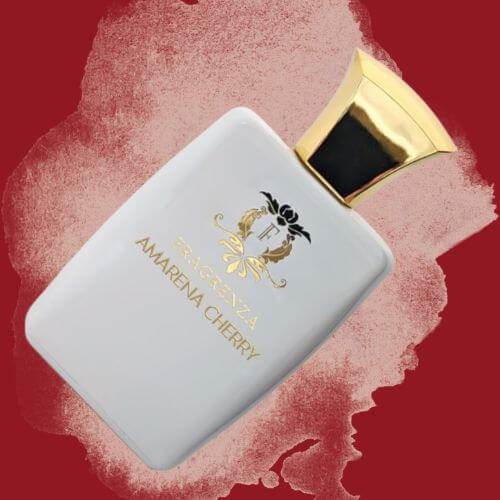
Amarena Cherry
Obsessed with cherry? If you want to really amp up the cherry scent, this Tom Ford Lost Cherry dupe will give Lost Cherry a run for its money. Black cherry, cherry syrup, and cherry liqueur all mingle together for an indulgent cherry overdose that’s complemented by notes of almond, tonka bean, Turkish rose, and jasmine sambac.
Woods And Mosses
Cyperus papyrus
-
Our best sellers.
-
Adeline PDM Delina dupe Better Peach Tom Ford Bitter Peach dupe Chloris Gardenia Gucci Flora Gorgeous Gardenia dupe Fearless Love Kilian's Love, Don't Be Shy dupe Selvaggio Dior's Sauvage dupe Addict Noir YSL's Black Opium dupe Empress D&G's L'Imperatrice dupe Divino Bleu de Chanel dupe Lo amo J’Adore Dior dupe Pretty Girl Carolina Herrera's Good Girl dupe
-
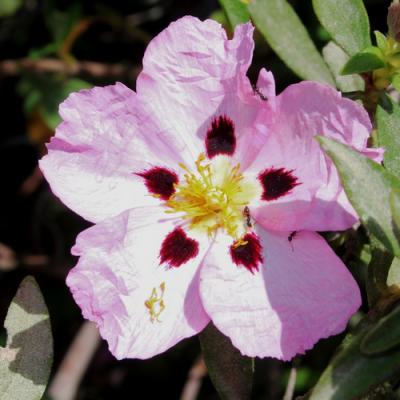
What Does Labdanum Smell Like?
Discover labdanum in perfumery — its warm, animalic, balsamic scent, history from ancient Mediterranean ritual to modern ambers, and its role in iconic fragrances.
-

What Does Patchouli Smell Like?
Patchouli smells like rich, dark earth — wet woods, chocolate, and aged leather. What it really smells like, why it’s linked to weed, and how to wear it.
-
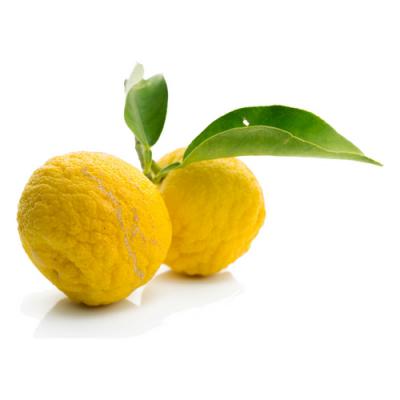
What Does Yuzu Smell Like?
What does yuzu smell like in perfumery? Explore this Japanese citrus note — its tart, floral-citrus scent, key aroma compounds, and how it elevates contemporary fragrance design.
-

What Does Amber Smell Like?
Discover what amber truly smells like in perfumery — from rare ambergris washed ashore to modern synthetics — and why it makes every fragrance warmer.

