

Collection: Para-Cresyl Phenyl Acetate Fragrances
Para-Cresyl Phenyl Acetate is a perfumer's molecule rather than a flower, yet it smells like an entire midnight bouquet. On a blotter it unfolds as a narcotic white-floral chord suggesting narcissus, hyacinth, ylang-ylang, tuberose, lily and rose all at once — sweet, heady and intensely petalled. What makes it fascinating is its shadow: a faintly animalic, medicinal undertone, the urinous facet that real narcissus and other indolic flowers naturally possess.
Used in trace amounts, that touch of darkness is precisely what makes floral compositions smell alive rather than soapy. The material deepens rose and narcissus accords, adds vintage-style opulence to white florals and lends a lipstick-like retro warmth to powdery blends, creating a mood of dressed-up, old-world glamour.

No products found
We don’t have a Para-Cresyl Phenyl Acetate fragrance just yet — explore similar scents by family:
Woody · Oriental · Floral · Leather · Chypre · Aromatic · Citrus
Bestsellers our customers love
-
Amarena Cherry Amarena CherryVendor:Inspired by Tom Ford Lost CherryRegular price From $9.99Regular price
$390.00Sale price From $9.99Sale -
 Sold outSamples SamplesSold out
 -
Signorina Miele Signorina MieleVendor:Inspired by Dior Miss Dior ChérieRegular price From $9.99Regular price
$105.00Sale price From $9.99Sale -
Limone e Vaniglia Limone e VanigliaVendor:Inspired by Xerjoff LiraRegular price From $9.99Regular price
$305.00Sale price From $9.99Sale


About Para-Cresyl Phenyl Acetate Fragrances
Para-cresyl phenyl acetate is a synthetic aromatic molecule that occupies a fascinating and demanding territory in perfumery — the zone where floral beauty, animalic depth, and narcotic richness converge. A phenolic ester with a complex, multi-layered profile, it is used in trace amounts by skilled perfumers to add a honeyed, slightly animalic quality reminiscent of the indolic depth found in natural jasmine, narcissus, and ylang-ylang. Its presence in a fragrance, even at very low concentrations, creates a warm, living quality that synthetic alternatives often struggle to replicate.
Olfactorily, para-cresyl phenyl acetate presents as intensely floral with narcotic, honeyed facets and an underlying animalic warmth that gives it a compelling, almost transgressive richness. At high concentrations it can read as challenging — leathery and animalic — but in the skilled hands of a perfumer, used with restraint, it contributes a vibrant life-force to floral and oriental compositions. This is the material responsible for the honeyed, slightly animalic depth that separates truly great white florals from merely pretty ones.
Para-cresyl phenyl acetate is a key component in the construction of powerful jasmine, narcissus, and tuberose accords, and appears in many of perfumery's most revered oriental and chypre compositions. It pairs with indole, benzyl acetate, and natural absolutes to create florals of extraordinary depth and character. Fragrenza's collection explores fragrances centered on this captivating molecule through inspired dupes that capture the full intensity and beauty of these sophisticated, complex scents.
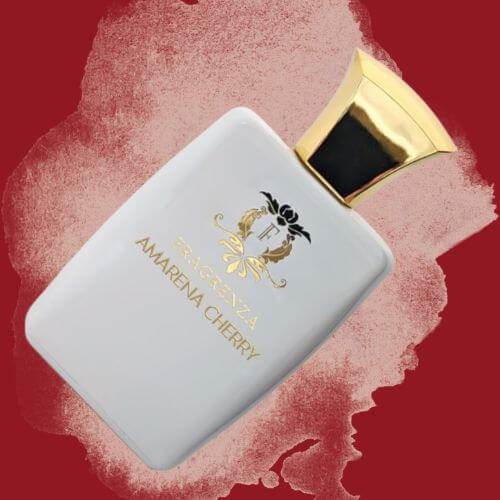
Amarena Cherry
Obsessed with cherry? If you want to really amp up the cherry scent, this Tom Ford Lost Cherry dupe will give Lost Cherry a run for its money. Black cherry, cherry syrup, and cherry liqueur all mingle together for an indulgent cherry overdose that’s complemented by notes of almond, tonka bean, Turkish rose, and jasmine sambac.
Natural And Synthetic, Popular And Weird
-
Our best sellers.
-
Adeline PDM Delina dupe Better Peach Tom Ford Bitter Peach dupe Chloris Gardenia Gucci Flora Gorgeous Gardenia dupe Fearless Love Kilian's Love, Don't Be Shy dupe Selvaggio Dior's Sauvage dupe Addict Noir YSL's Black Opium dupe Empress D&G's L'Imperatrice dupe Divino Bleu de Chanel dupe Lo amo J’Adore Dior dupe Pretty Girl Carolina Herrera's Good Girl dupe
-
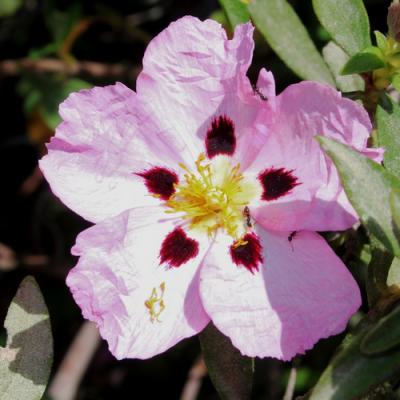
What Does Labdanum Smell Like?
Discover labdanum in perfumery — its warm, animalic, balsamic scent, history from ancient Mediterranean ritual to modern ambers, and its role in iconic fragrances.
-

What Does Patchouli Smell Like?
Patchouli smells like rich, dark earth — wet woods, chocolate, and aged leather. What it really smells like, why it’s linked to weed, and how to wear it.
-
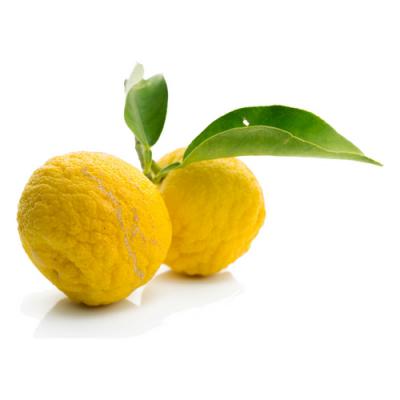
What Does Yuzu Smell Like?
What does yuzu smell like in perfumery? Explore this Japanese citrus note — its tart, floral-citrus scent, key aroma compounds, and how it elevates contemporary fragrance design.
-
What Does Amber Smell Like?
Discover what amber truly smells like in perfumery — from rare ambergris washed ashore to modern synthetics — and why it makes every fragrance warmer.

