

Collection: White Willow Fragrances
In perfumery, white willow is a quiet, naturalistic note drawn from the graceful riverside tree whose bark has been valued since antiquity. Its scent is gently green and woody — soft fresh bark, sap and slender leaves — with a faintly bitter, clean edge from its salicylate-rich bark and a subtle watery coolness that recalls the willow's streamside home. Less dense than cedar and less resinous than pine, it behaves as a tender, transparent wood, lending compositions an airy, breeze-through-branches lightness. It pairs gracefully with aquatic and green notes, soft florals, musks and pale woods. The mood it creates is calm and pastoral — trailing branches over slow water, spring shade, an unhurried riverside afternoon.

No products found
We don’t have a White Willow fragrance just yet — explore similar scents by family:
Woody · Oriental · Floral · Leather · Chypre · Aromatic · Citrus
Bestsellers our customers love
-
Amarena Cherry Amarena CherryVendor:Inspired by Tom Ford Lost CherryRegular price From $9.99Regular price
$390.00Sale price From $9.99Sale -
 Sold outSamples SamplesSold out
 -
Signorina Miele Signorina MieleVendor:Inspired by Dior Miss Dior ChérieRegular price From $9.99Regular price
$105.00Sale price From $9.99Sale -
Limone e Vaniglia Limone e VanigliaVendor:Inspired by Xerjoff LiraRegular price From $9.99Regular price
$305.00Sale price From $9.99Sale


About White Willow Fragrances
White Willow: Cool, Woody Freshness from Ancient Riverbanks
White willow (Salix alba) is one of the most iconic trees of the European and Asian landscape — a graceful, sweeping presence along riverbanks, lakeshores, and floodplains, its long silver-green leaves shimmering in the wind and its pale, furrowed bark carrying centuries of history. Medicinally celebrated since antiquity as the source of salicin (the natural precursor to aspirin), white willow has an aroma that reflects its character: woody and slightly bitter, cool and clean, with a faint green freshness that evokes moving water and open sky.
In perfumery, white willow bark contributes a distinctive woody dryness that differs from cedar's pencil-sharpener crispness or sandalwood's creamy warmth. Its character is cooler and slightly astringent, with a subtle bitterness that adds sophistication and prevents compositions from becoming too sweet or soft. Perfumers use white willow in aquatic and aromatic compositions where its cool, riverbank quality reinforces a sense of clean outdoors freshness. It also works beautifully in green chypres and contemporary woody fragrances, pairing naturally with violet leaf, oakmoss, iris, fresh citrus, and crisp marine accords.
Fragrances featuring white willow tend to feel clean, elegant, and naturally sophisticated — ideal for those who love cool, woody freshness with a genuinely botanical character. At Fragrenza, we carry a beautifully curated range of such cool, nature-inspired fragrances as high-quality, accessible alternatives to the most admired names in luxury and niche perfumery.
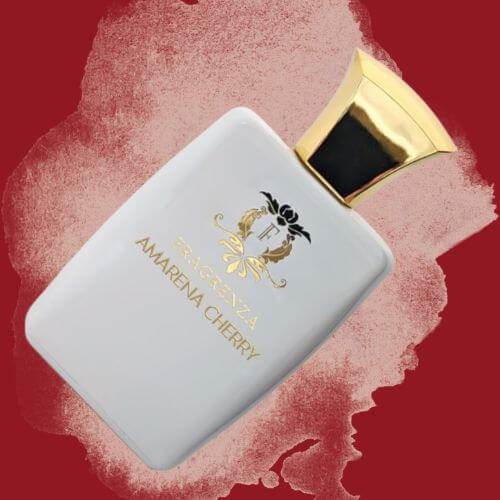
Amarena Cherry
Obsessed with cherry? If you want to really amp up the cherry scent, this Tom Ford Lost Cherry dupe will give Lost Cherry a run for its money. Black cherry, cherry syrup, and cherry liqueur all mingle together for an indulgent cherry overdose that’s complemented by notes of almond, tonka bean, Turkish rose, and jasmine sambac.
Woods And Mosses
Salix Alba Other names: Sallow, Osier
-
Our best sellers.
-
Adeline PDM Delina dupe Better Peach Tom Ford Bitter Peach dupe Chloris Gardenia Gucci Flora Gorgeous Gardenia dupe Fearless Love Kilian's Love, Don't Be Shy dupe Selvaggio Dior's Sauvage dupe Addict Noir YSL's Black Opium dupe Empress D&G's L'Imperatrice dupe Divino Bleu de Chanel dupe Lo amo J’Adore Dior dupe Pretty Girl Carolina Herrera's Good Girl dupe
-
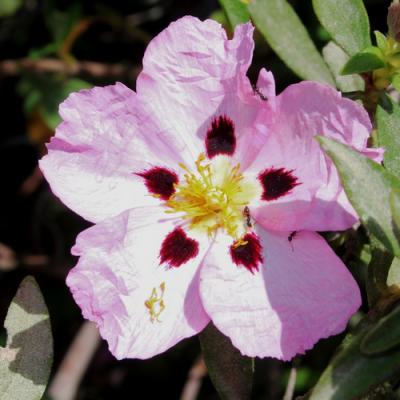
What Does Labdanum Smell Like?
Discover labdanum in perfumery — its warm, animalic, balsamic scent, history from ancient Mediterranean ritual to modern ambers, and its role in iconic fragrances.
-

What Does Patchouli Smell Like?
Patchouli smells like rich, dark earth — wet woods, chocolate, and aged leather. What it really smells like, why it’s linked to weed, and how to wear it.
-
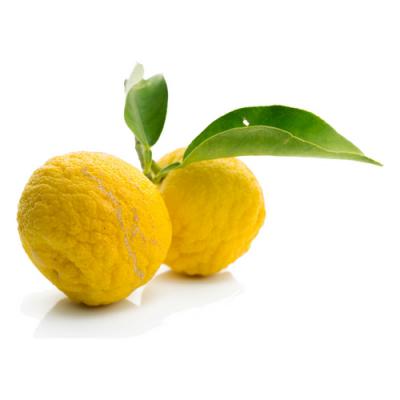
What Does Yuzu Smell Like?
What does yuzu smell like in perfumery? Explore this Japanese citrus note — its tart, floral-citrus scent, key aroma compounds, and how it elevates contemporary fragrance design.
-
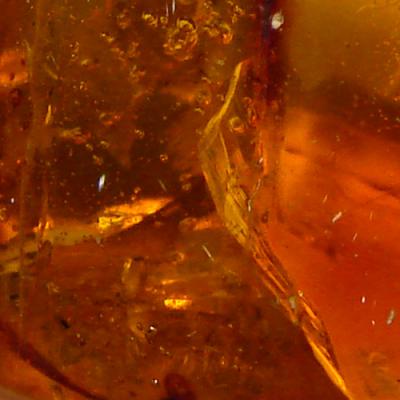
What Does Amber Smell Like?
Discover what amber truly smells like in perfumery — from rare ambergris washed ashore to modern synthetics — and why it makes every fragrance warmer.

