

Collection: Wine Lees Fragrances
In perfumery, wine lees — the soft sediment of spent yeast left in the barrel after fermentation — translates into a wonderfully vinous, cellar-dark note. It smells of young wine and fresh ferment: fruity in a muted, grape-skin way, gently sour, yeasty and bready, with damp, earthy undertones of oak casks and cool stone cellars. On skin it lends a boozy, lived-in depth rather than a sweet liqueur effect, reading more atmospheric than gourmand. It harmonises beautifully with dark fruits like plum and blackcurrant, with oak, vetiver, leather and ambery bases, and gives rose or iris an intriguing fermented twist. The mood is intimate and contemplative — candlelight in a wine cave, the hush between harvest and the first pour.

No products found
We don’t have a Wine Lees fragrance just yet — explore similar scents by family:
Woody · Oriental · Floral · Leather · Chypre · Aromatic · Citrus
Bestsellers our customers love
-
Amarena Cherry Amarena CherryVendor:Inspired by Tom Ford Lost CherryRegular price From $9.99Regular price
$390.00Sale price From $9.99Sale -
 Sold outSamples SamplesSold out
 -
Signorina Miele Signorina MieleVendor:Inspired by Dior Miss Dior ChérieRegular price From $9.99Regular price
$105.00Sale price From $9.99Sale -
Limone e Vaniglia Limone e VanigliaVendor:Inspired by Xerjoff LiraRegular price From $9.99Regular price
$305.00Sale price From $9.99Sale


About Wine Lees Fragrances
Wine Lees: The Fermented Complexity of the Cellar
Wine lees — the sediment of dead yeast cells, grape pulp, seeds, and tartrates that settle at the bottom of wine barrels and tanks after fermentation — are one of the most evocative and unusual raw materials in contemporary artisan perfumery. Their aroma is complex and multi-layered: winey and fruity, deeply yeasty, earthy, and slightly sour, with a fermented richness that conjures the interior of a great wine cellar — stone floors, old oak barrels, dust, and the intoxicating smell of wine in transformation. It's a note that rewards sophisticated noses and adventurous spirits.
In fragrance, wine lees notes are used to add genuine vinous complexity and a sense of fermented, organic depth that no single ingredient can easily replicate. Perfumers reach for them in compositions meant to evoke wine, the pleasures of the table, or the romance of European wine country. The note pairs beautifully with red fruit accords (black currant, cherry, plum), oakwood and barrel-aging molecules, vetiver, leather, violet leaf, and musks. It also appears alongside more abstract earthy and mineral notes in fragrances that seek to capture the atmosphere of a cellar or cave.
Fragrances featuring wine lees tend to be sophisticated, literary, and genuinely original — perfect for those who appreciate complexity and unexpected ingredients in their perfume. At Fragrenza, we offer creative, niche-inspired fragrances like these as high-quality, accessible alternatives, making extraordinary scent experiences available to everyone.
Other Collections
Port Wine Fragrances

From this collection: Japan Black — Japon Noir by Tom Ford alternative
Explore our collection of port wine fragrances. Shop port wine perfumes and discover captivating scents.
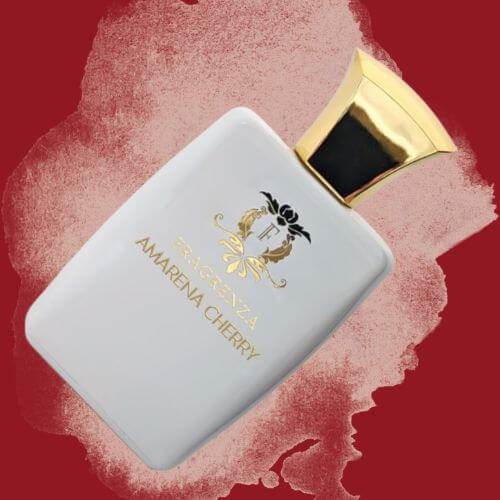
Amarena Cherry
Obsessed with cherry? If you want to really amp up the cherry scent, this Tom Ford Lost Cherry dupe will give Lost Cherry a run for its money. Black cherry, cherry syrup, and cherry liqueur all mingle together for an indulgent cherry overdose that’s complemented by notes of almond, tonka bean, Turkish rose, and jasmine sambac.
Beverages
-
Our best sellers.
-
Adeline PDM Delina dupe Better Peach Tom Ford Bitter Peach dupe Chloris Gardenia Gucci Flora Gorgeous Gardenia dupe Fearless Love Kilian's Love, Don't Be Shy dupe Selvaggio Dior's Sauvage dupe Addict Noir YSL's Black Opium dupe Empress D&G's L'Imperatrice dupe Divino Bleu de Chanel dupe Lo amo J’Adore Dior dupe Pretty Girl Carolina Herrera's Good Girl dupe
-
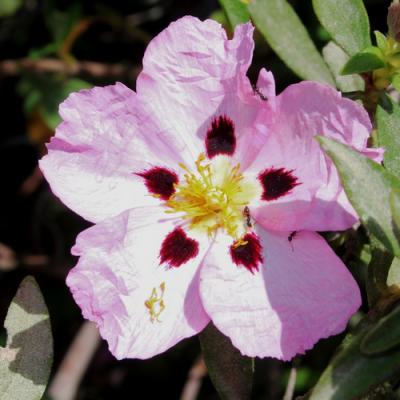
What Does Labdanum Smell Like?
Discover labdanum in perfumery — its warm, animalic, balsamic scent, history from ancient Mediterranean ritual to modern ambers, and its role in iconic fragrances.
-

What Does Patchouli Smell Like?
Patchouli smells like rich, dark earth — wet woods, chocolate, and aged leather. What it really smells like, why it’s linked to weed, and how to wear it.
-
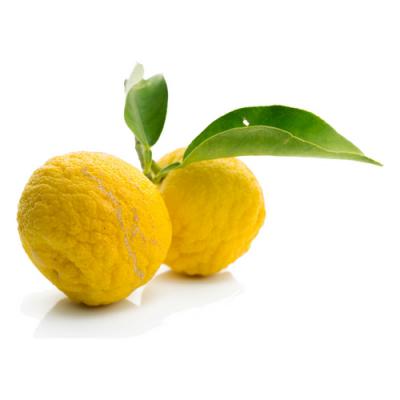
What Does Yuzu Smell Like?
What does yuzu smell like in perfumery? Explore this Japanese citrus note — its tart, floral-citrus scent, key aroma compounds, and how it elevates contemporary fragrance design.
-
What Does Amber Smell Like?
Discover what amber truly smells like in perfumery — from rare ambergris washed ashore to modern synthetics — and why it makes every fragrance warmer.

