

Collection: Woodfuff or Galium odoratum Fragrances
The perfume note of woodruff — Galium odoratum, the sweet-scented herb of shaded European woodlands — offers one of nature's loveliest coumarin scents. Freshly picked it is mildly green, but as the leaves dry they release a soft, hay-like sweetness threaded with vanilla, almond and freshly mown grass, the same character that flavours traditional May wine. In perfumery it behaves like a gentler, greener cousin of tonka bean: powdery yet airy, sweet yet pastoral. It blends seamlessly with lavender and other fougère materials, with hay, chamomile and tobacco, and softens woody or grassy compositions with its mellow warmth. The mood it conjures is unhurried and rural — sunlit meadows, drying grass, the honeyed calm of early summer.

No products found
We don’t have a Woodfuff or Galium odoratum fragrance just yet — explore similar scents by family:
Woody · Oriental · Floral · Leather · Chypre · Aromatic · Citrus
Bestsellers our customers love
-
Amarena Cherry Amarena CherryVendor:Inspired by Tom Ford Lost CherryRegular price From $9.99Regular price
$390.00Sale price From $9.99Sale -
 Sold outSamples SamplesSold out
 -
Signorina Miele Signorina MieleVendor:Inspired by Dior Miss Dior ChérieRegular price From $9.99Regular price
$105.00Sale price From $9.99Sale -
Limone e Vaniglia Limone e VanigliaVendor:Inspired by Xerjoff LiraRegular price From $9.99Regular price
$305.00Sale price From $9.99Sale


About Woodfuff or Galium odoratum Fragrances
Woodruff: Coumarin-Rich, Hay-Sweet, and Quietly Enchanting
Sweet woodruff (Galium odoratum) is a low-growing woodland herb native to Europe and parts of Asia, beloved in gardens for its delicate white star-shaped flowers and lush green groundcover. What makes it remarkable to the perfumer, however, is its extraordinary scent when dried: fresh woodruff has little detectable fragrance, but as the leaves and stems dry they release coumarin — the same molecule responsible for the scent of fresh-cut hay and tonka bean — creating a warm, sweet, slightly vanilla-green aroma that is immediately recognizable and deeply evocative. It's the essential ingredient in Maibowle, the traditional German May wine punch.
In perfumery, woodruff contributes a soft, hay-like sweetness underpinned by coumarin's characteristic warmth. Unlike tonka bean (which can be heavy and almond-rich), woodruff's coumarin character is greener and lighter, with a freshly mown quality that bridges the herbal and sweet accords beautifully. It's a classic ingredient in fougere fragrances — that family built on the iconic accord of lavender, oakmoss, and coumarin — and it appears in vintage-inspired compositions that capture the romantic charm of European woodland traditions. It pairs wonderfully with lavender, oakmoss, soft woods, and light musks.
Fragrances featuring woodruff tend to feel romantic, nostalgic, and gently sophisticated — a subtle pleasure for those who appreciate classic perfumery's quieter charms. At Fragrenza, we celebrate notes like woodruff and offer fragrances highlighting this wonderful ingredient as accessible, high-quality alternatives to luxury and niche perfumes.
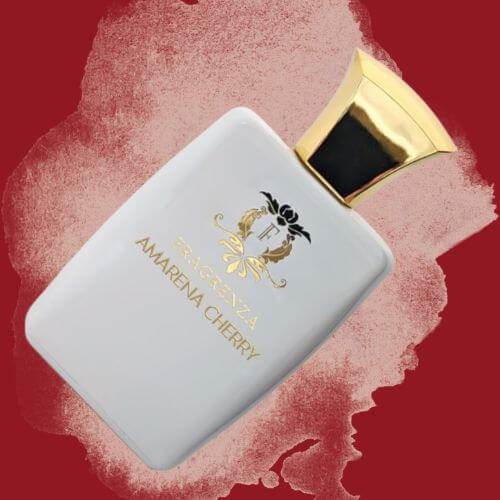
Amarena Cherry
Obsessed with cherry? If you want to really amp up the cherry scent, this Tom Ford Lost Cherry dupe will give Lost Cherry a run for its money. Black cherry, cherry syrup, and cherry liqueur all mingle together for an indulgent cherry overdose that’s complemented by notes of almond, tonka bean, Turkish rose, and jasmine sambac.
Greens, Herbs And Fougeres
Galium odoratum
-
Our best sellers.
-
Adeline PDM Delina dupe Better Peach Tom Ford Bitter Peach dupe Chloris Gardenia Gucci Flora Gorgeous Gardenia dupe Fearless Love Kilian's Love, Don't Be Shy dupe Selvaggio Dior's Sauvage dupe Addict Noir YSL's Black Opium dupe Empress D&G's L'Imperatrice dupe Divino Bleu de Chanel dupe Lo amo J’Adore Dior dupe Pretty Girl Carolina Herrera's Good Girl dupe
-
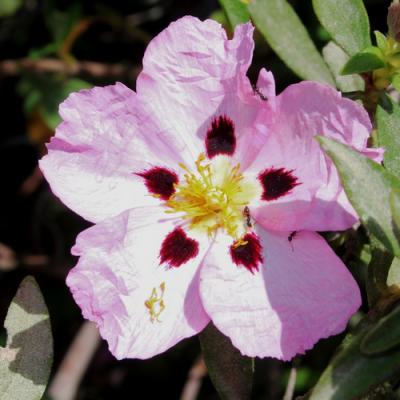
What Does Labdanum Smell Like?
Discover labdanum in perfumery — its warm, animalic, balsamic scent, history from ancient Mediterranean ritual to modern ambers, and its role in iconic fragrances.
-

What Does Patchouli Smell Like?
Patchouli smells like rich, dark earth — wet woods, chocolate, and aged leather. What it really smells like, why it’s linked to weed, and how to wear it.
-
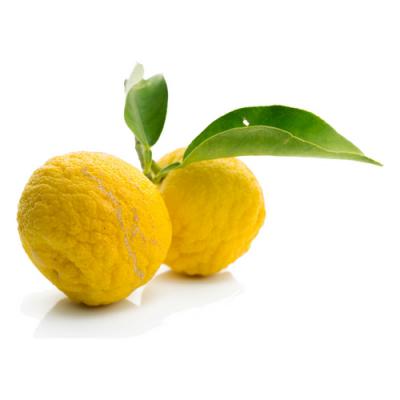
What Does Yuzu Smell Like?
What does yuzu smell like in perfumery? Explore this Japanese citrus note — its tart, floral-citrus scent, key aroma compounds, and how it elevates contemporary fragrance design.
-

What Does Amber Smell Like?
Discover what amber truly smells like in perfumery — from rare ambergris washed ashore to modern synthetics — and why it makes every fragrance warmer.

