

Perfume, Eau de Parfum, Eau de Toilette, Cologne: What Actually Separates Them in 2026
Walk into any fragrance store and you'll see the same words on bottles in slightly different proportions, Parfum, Eau de Parfum, Eau de Toilette, Eau de Cologne
By Julia MorettiFragrenza makes several of the alternatives featured in our guides — here’s how we test.
10 min read
Walk into any fragrance store and you'll see the same words on bottles in slightly different proportions — Parfum, Eau de Parfum, Eau de Toilette, Eau de Cologne. They all refer to fragrance, they all look similar on a shelf, but the differences between them matter enormously for how a fragrance performs, how long it lasts, and how you should apply it. Understanding the concentration system is the foundational fragrance knowledge that turns casual buyers into informed wearers.
Fragrance concentrations at a glance
Concentration (the % of fragrance oil) drives how strong a scent is and how long it lasts. Here is how the main types compare:
| Type | Oil concentration | Longevity | Projection | Best for |
|---|---|---|---|---|
| Parfum / Extrait de Parfum | 20–40% | 8–12+ hrs | Intimate to moderate | Evenings, cold weather, special occasions |
| Eau de Parfum (EDP) | 15–20% | 6–8 hrs | Moderate to strong | The versatile all-day default |
| Eau de Toilette (EDT) | 5–15% | 3–5 hrs | Moderate | Daytime, office, warmer weather |
| Eau de Cologne (EDC) | 2–4% | 2–3 hrs | Light | A quick, refreshing splash |
| Eau Fraîche | 1–3% | 1–2 hrs | Very light | Gym, hot days, light wear |
In short: extrait > EDP > EDT > cologne > eau fraîche in both strength and longevity. The same scent in EDP will smell richer and last longer than its EDT, and an extrait is the most concentrated (and usually priciest) of all.
This guide breaks down each concentration in detail, explains the chemistry behind why they perform differently, and offers practical advice on which type to choose for which context. It's the kind of literacy that helps you avoid disappointment with new purchases and get more wear out of the fragrances already in your collection.
What Concentration Actually Means
Fragrance concentration refers to the percentage of aromatic compounds dissolved in a solvent base — usually a mix of ethanol (perfumer's alcohol) and water. The higher the concentration of aromatic compounds, the more intense the fragrance, the longer it lasts on skin, and (typically) the more expensive it is to produce. The system is roughly standardized across the industry, but exact percentages vary between brands and even between individual fragrances.
The standard concentrations, from highest to lowest, are: Parfum (also called Extrait de Parfum), Eau de Parfum, Eau de Toilette, Eau de Cologne, and Eau Fraîche. Each has distinct performance characteristics and best-use contexts, and understanding them is the foundation of building a fragrance collection that works for your lifestyle.
Parfum / Extrait — The Highest Concentration
Parfum, sometimes labeled Extrait de Parfum or simply Extrait, sits at the top of the concentration ladder. The aromatic compound percentage ranges from roughly 20 to 40 percent, with most modern parfums sitting in the 22 to 30 percent range. This is the most concentrated form of fragrance commonly available, and it has distinctive performance characteristics that separate it from lower concentrations.
Parfum projects more softly than EDP — counterintuitively — because the higher oil content means less alcohol-driven volatility in the opening. The fragrance blooms more slowly on skin, develops with more depth, and lasts significantly longer (typically 8 to 12 hours or more). Parfums are best applied sparingly: one or two dabs to pulse points is sufficient. For more, see our anatomy of a perfume guide.
Eau de Parfum — The Modern Workhorse
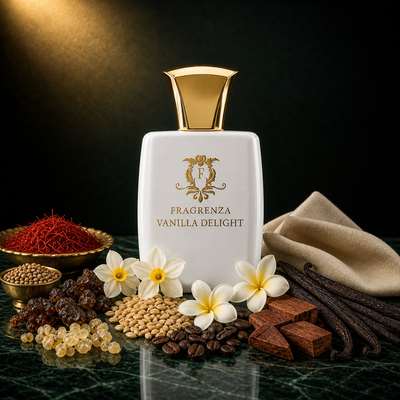
Eau de Parfum (EDP) is the dominant concentration in modern niche and designer perfumery, and for good reason. The aromatic compound percentage sits between 15 and 20 percent, which gives EDPs the best balance of projection, longevity, and economy. They project more openly than parfums in the first hour, last 6 to 10 hours on most skin, and don't require the careful sparing application that parfums demand.
Vanilla Delight, like most modern niche-quality fragrances, is built at EDP concentration. The format suits the warm, gourmand-leaning composition perfectly — enough projection to register at conversational distance, enough longevity to wear all day, and enough development to evolve from opening to base over the course of a wear. EDP is the right concentration for the vast majority of modern fragrance applications.
Eau de Toilette — The Light Daytime Classic
Eau de Toilette (EDT) was the dominant concentration of the 20th century and remains popular for certain fragrance families — particularly citrus, fresh aromatic, and aquatic compositions. The aromatic compound percentage ranges from 5 to 15 percent, which produces a lighter, more transparent fragrance that projects more brightly in the opening but fades more quickly into a closer skin scent.
EDTs typically last 3 to 6 hours on most skin and require more generous application than EDPs. Two to four sprays is appropriate, and reapplication during the day is normal practice. The lighter concentration also makes EDTs better suited to warm weather and daytime contexts where a heavier EDP might feel overwhelming. Classic citrus and aromatic compositions — the lineage that includes traditional eaux de cologne — work best in EDT format.
Eau de Cologne — The Original Light Fragrance
Eau de Cologne, often shortened to "cologne," is the lightest of the traditional concentrations, with aromatic compound percentages in the 2 to 5 percent range. The format originated in 18th-century Cologne, Germany, where it referred to a specific citrus-and-herb composition. Today, the term is used two ways: as a specific concentration level, and as a general (and somewhat inaccurate) term for men's fragrance.
True eaux de cologne are bright, citrus-forward, and short-lived — typically lasting 2 to 4 hours on skin. They're refreshing, often used as splash-on body fragrances after bathing, and best in warm weather. They require frequent reapplication if you want them to register throughout the day. The term "cologne" applied to a men's EDP or EDT is a marketing convention, not a concentration classification — read the label carefully.
Felce Marina — An EDP Cologne-Style Example
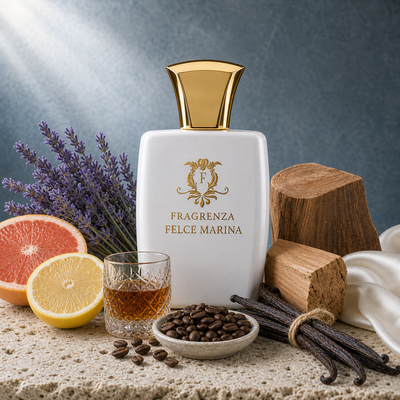
Felce Marina is an interesting case study because it occupies a stylistic territory historically associated with cologne (fresh, aromatic, slightly marine) while being built at EDP concentration. This is increasingly common in modern niche perfumery — the cologne style executed at EDP intensity, giving wearers the bright freshness of a traditional cologne with the projection and longevity of a modern EDP.
This stylistic-vs-concentration distinction is one of the most useful things to understand about modern fragrance. Don't assume a "fresh" composition is automatically an EDT or a cologne — modern niche brands frequently build fresh and aquatic compositions at EDP concentration, which dramatically extends their wear and projection compared to traditional examples of the same style.
Eau Fraîche — The Lightest of All
Eau Fraîche is the lightest commercially available concentration, with aromatic compound percentages around 1 to 3 percent. Despite the low concentration, eau fraîche typically uses water rather than alcohol as its primary solvent, which gives it a softer, less projecting profile. The format is rare and increasingly hard to find — most modern brands have phased out eau fraîche in favor of EDT or EDP versions of the same composition.
If you encounter an eau fraîche, treat it like a body splash rather than a fragrance — generous application, frequent reapplication, and no expectation of all-day wear. It's a format for hot summer days when you want a hint of scent without committing to a full fragrance.
How Concentration Affects Application
The practical implication of concentration is application strategy. Parfums and EDPs reward restraint — two to three sprays maximum, applied to pulse points, with no need to reapply during the day. EDTs and colognes reward generosity — four to six sprays, possibly reapplied at midday, and applied to broader areas of skin rather than just pulse points.
Mixing concentrations within a collection is normal and useful. An EDP for daytime work, an EDT for hot summer days, a parfum for special occasions — the same fragrance can exist in multiple concentrations and serve different contexts. For more on application, see our how-to-apply guide and the pulse-point guide.
Melipona — The Skin-Close EDP Case
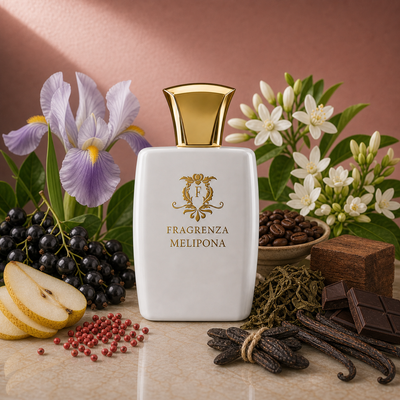
Melipona is a useful illustration of why concentration matters for a specific fragrance style. Built around iris, pear, and pink pepper with a soft coffee-chocolate undertone at EDP concentration, the fragrance has enough projection and longevity to carry the Skin Scents 2.0 register — skin-close warmth without dense floral volume — through a full day. The same composition built at EDT concentration would project more lightly in the opening but lose the warm coffee-chocolate depth by midday — the dry-down nuances would burn off too quickly to deliver the full architectural arc.
This is one of the underrated lessons of fragrance literacy: the right concentration for a composition depends on what the fragrance is trying to do. Light, fresh compositions can work beautifully in EDT format. Refined skin-close compositions like Melipona almost always need EDP to deliver their full character — the iris and coffee-chocolate undertones require the higher oil load to register through a full wear.
Choosing the Right Concentration for Your Lifestyle
Most modern wearers build collections that center on EDP — it's the most versatile concentration, suits the widest range of contexts, and offers the best combination of projection and longevity for the price. Add parfum bottles for fragrances you wear most often and want to enjoy at full depth, and add EDTs for warm-weather and casual daytime contexts. Eau de cologne and eau fraîche are specialty formats for specific use cases.
When buying a fragrance you already love, check the concentration of your existing bottle before assuming the new one will perform identically. Many fragrances exist in multiple concentrations, and they can smell noticeably different from one another. The EDP version of a fragrance is often warmer and richer than the EDT version of the same composition.
Related Reads
- Anatomy of a perfume
- How to apply men's fragrance
- Where to apply your perfume
- Different fragrances for different occasions
- Perfume storage tips
- Does perfume get stronger with age
Frequently Asked Questions
Which concentration lasts the longest?
Parfum is the longest-lasting concentration on skin, typically delivering 8 to 12 hours of wear. EDP is next, at 6 to 10 hours. EDT lasts 3 to 6 hours, and cologne and eau fraîche last 2 to 4 hours. These ranges vary based on skin chemistry, fragrance composition, and application technique — some EDPs outperform some parfums depending on the specific fragrance.
Is more expensive always better?
No. Higher concentration costs more to produce because more aromatic compound is required per bottle, but it doesn't automatically mean a better fragrance. A well-built EDT can outperform a mediocre parfum in both wearability and beauty. Concentration is a performance variable, not a quality indicator. The best fragrances are well-built at the concentration that suits their composition.
Can I layer different concentrations of the same fragrance?
Yes, this is a useful technique. Many wearers apply EDP to pulse points and supplement with EDT or eau fraîche of the same composition to clothing or hair. The result is a slightly more complex projection with shorter top-notes from the lighter version and longer base notes from the heavier version. This is most effective with fragrances that exist in matching multi-concentration formats.
Why does my EDP smell different from my EDT of the same fragrance?
Different concentrations of the same fragrance are formulated to perform optimally at their concentration level, which often means slightly different ingredient ratios. The EDP version typically has more base notes (woods, musk, amber) to support the higher concentration, while the EDT version emphasizes the top and middle notes. The same fragrance can read warmer in EDP and brighter in EDT.
What concentration is best for summer wear?
EDT and cologne concentrations are traditionally favored for summer because they project more brightly in heat and don't become overwhelming. However, modern EDPs built with fresh or aquatic compositions (like Felce Marina) can also work beautifully in summer when applied with restraint. The composition matters more than the concentration for summer suitability.
Are men's fragrances always cologne?
No, this is a common misconception driven by marketing language. Men's fragrances exist in all concentrations — parfum, EDP, EDT, and cologne. The term "cologne" used as a generic word for men's fragrance is a colloquial convention, not a concentration classification. Always check the actual label to confirm the concentration of any men's fragrance you buy.
The Bottom Line
Concentration is one of the most important and misunderstood variables in fragrance. Parfum delivers depth and longevity, EDP delivers the modern workhorse balance, EDT delivers bright daytime freshness, and cologne and eau fraîche deliver light summer refreshment. Build a collection that mixes concentrations strategically, match the concentration to the context, and you'll find that the same fragrance budget delivers significantly more wearable variety than a collection built entirely at a single concentration.