


Cypriol and Nagarmotha in Perfumery 2026: The Earthy Indian Root Reshaping Modern Niche
Cypriol is a leafy green note prized for its cool freshness, a note every fragrance lover should learn to recognise on skin.
By Julia Moretti 6 min read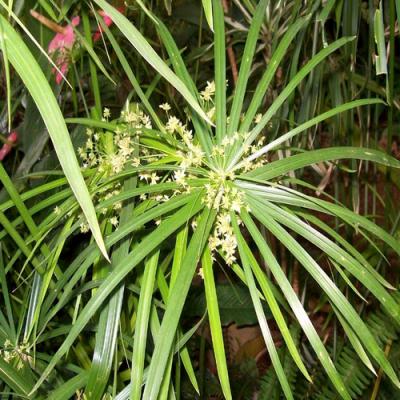
What Cypriol Actually Is
Cypriol (Cyperus scariosus, also called nagarmotha in Hindi or motha in Sanskrit) is an Indian sedge grass that grows wild along Indian river systems. The rhizome (the underground root structure) produces one of modern niche perfumery's most distinctive earthy materials. The plant has been used in traditional Ayurvedic medicine and in classical Indian attar perfumery for over two thousand years, but only entered Western luxury perfumery as a primary structural material in the post-2010 niche boom.
The terminology can be confusing. "Cypriol" is the perfumery trade name and refers to the steam-distilled essential oil from the dried rhizome. "Nagarmotha" is the Indian name and is sometimes used interchangeably with cypriol in luxury fragrance listings. Both refer to the same plant and the same general material, though there are subtle differences between rhizome distillates depending on source region and processing method.
What Cypriol Smells Like
Cypriol occupies one of the most architecturally distinctive positions in the modern perfumer's palette. The character is smoky, earthy, slightly leathery, with quiet medicinal-incense facets and a deep woody-balsamic dry-down. The material bridges multiple architectural families — leather, oud, vetiver, woody-oriental — which is exactly what makes it useful as a structural anchor in compositions that want depth without explicit oud or leather signatures.
The smoke is the most distinctive facet. Cypriol smoke is different from frankincense smoke (sacred and uplifting), birch tar smoke (rubbery and intense), or oud smoke (medicinal and animalic). Cypriol smoke is earthy-and-meditative — it reads as forest-floor smoke rather than as ceremonial-incense smoke. This specific smoke character is what gives cypriol its useful structural position in modern niche perfumery.
The Chemistry of Cypriol
Cypriol essential oil contains a complex mixture of sesquiterpenes and sesquiterpene ketones. The dominant aromatic contributors include cyperene, cyperotundone, alpha-cyperone (the molecule responsible for much of the distinctive woody-earthy character), and various oxygenated sesquiterpenes that produce the smoky-medicinal facets.
The chemistry is what makes cypriol useful as a fixative and structural anchor. The sesquiterpenes are heavy molecules that evaporate slowly, which means cypriol persists on skin for the entire wear of a composition. A small quantity of cypriol in the base of a composition can extend longevity by hours, which is part of why niche perfumers have adopted the material so widely across the past decade.
The Ayurvedic and Attar Heritage
Cypriol has had medicinal and perfumery use in India for over two thousand years. The rhizome is one of the major materials in Ayurvedic traditional medicine, used for digestive, anti-inflammatory, and aromatic purposes. The Indian classical attar perfumery tradition has used cypriol extensively, particularly in the dark woody-attar compositions that influenced post-2010 Western niche perfumery.
The transition from Indian attar to Western niche luxury happened across the late 2000s and 2010s. Mona di Orio, Christopher Sheldrake, and other niche perfumers identified cypriol as a structural material that could anchor modern Western compositions without resorting to expensive oud absolute or restricted oakmoss. Mancera, Initio, and other post-2010 niche houses adopted cypriol heavily, and the material has now become a standard part of the modern niche-luxury palette.
Cypriol in Modern Niche Perfumery
Cypriol is rarely the dominant signature in any single composition; instead it functions as a structural anchor that supports other notes. The major compositions that use cypriol prominently include Mancera Cedrat Boise (cypriol with citrus and cedar), Initio Atomic Rose (cypriol as supporting smoky-base material), Roja Dove Oligarch (cypriol in the woody-oriental base), Le Labo Patchouli 24 (cypriol-patchouli fusion), Tom Ford Tobacco Oud (cypriol in the smoky base), and various Mancera and Montale releases where cypriol provides depth in oud-and-rose compositions.
The Fragrenza catalog uses cypriol-character molecules in
and supporting picks across the oud-cluster. The cypriol character contributes the smoky-earthy depth that distinguishes Fragrenza's oud compositions from generic-synthetic-oud alternatives.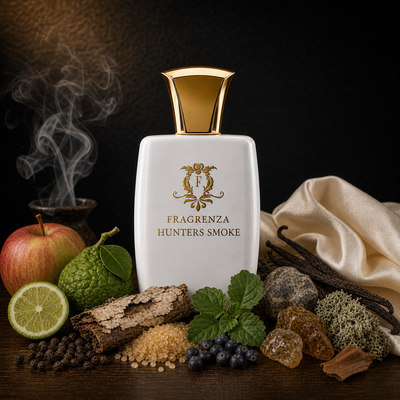
Cypriol vs Other Earthy Materials
Understanding the cypriol vs adjacent-materials distinctions is one of the most useful pieces of fragrance literacy for modern niche perfumery readers.
Vetiver is earthy-grassy with smoky-aromatic facets. More herbaceous and brighter than cypriol; vetiver reads as outdoor grass rather than forest floor.
Patchouli is earthy-resinous with sweet-musty character. Significantly different from cypriol — patchouli is the chypre-and-oriental anchor; cypriol is the niche-luxury depth provider.
Oud is earthy-medicinal with smoky-animalic facets. More distinctive and more luxury-coded than cypriol; oud is a feature note, cypriol is a structural anchor.
Cypriol sits between vetiver and oud — earthy without the grass character of vetiver, smoky without the medicinal character of oud, structural without the cultural weight of patchouli or oud.
Oakmoss is similarly earthy but with a distinctive chypre-family green-and-leather character. The two materials are sometimes used together in compositions that want both earthy registers.
How to Identify Quality Cypriol Compositions
Quality cypriol compositions use the material to bridge architectural families rather than as a feature note. The smoky-earthy character should integrate with the wider composition rather than dominate. Cypriol is structural, not a lead actor — if a composition smells primarily of cypriol smoke, the perfumer has overused the material.
The four-to-six-hour wear-arc test is useful. Quality cypriol compositions show their structural value at the mid-wear moment, when the opening has faded and the cypriol-anchored base is doing the work. Cheap synthetic-cypriol substitutes fade significantly across the wear, leaving the composition without the structural depth that real cypriol provides.
How to Wear Cypriol-Heavy Compositions
Cypriol-led fragrances are evening-and-cool-weather coded. The dense smoky-earthy character benefits from cooler skin temperatures, which moderate projection and reveal the structural depth.
Two sprays for daily wear; three for evening. Apply to the chest and the base of the throat. Layer with a clean musk underneath (
) to soften the projection. Avoid layering with citrus colognes (structural mismatch) or with sweet gourmands (the earthy-smoky and sweet-gourmand registers read as confused once combined).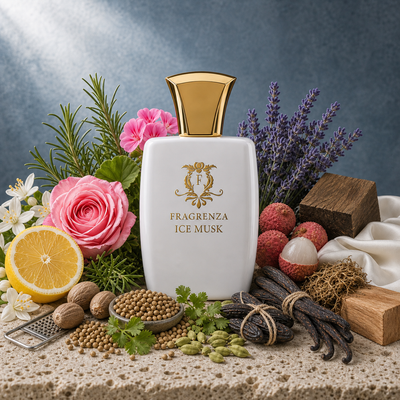
Related Reads
- Vetiver in Perfumery — the adjacent earthy-aromatic material
- Patchouli in Perfumery — the chypre-and-oriental anchor
- Incense in Perfumery — the adjacent smoky-resinous family
- Leather in Perfumery — the leathery-resinous adjacency
- Best Oud Fragrances 2026 — the wider oud landscape cypriol supports
- Best Amouage Interlude Alternatives 2026 — smoky-incense architectural family
- Best Initio Oud for Greatness Alternatives 2026 — modern powerhouse-oud register
Frequently Asked Questions
What is nagarmotha?
Another name for cypriol. The Indian common name (Hindi: nagarmotha; Sanskrit: motha) for the same Cyperus scariosus rhizome material. Used interchangeably with cypriol in modern luxury perfumery listings.
Is cypriol the same as vetiver?
No — related earthy materials but cypriol is smokier and less grass-character than vetiver. Vetiver is outdoor-aromatic; cypriol is forest-floor-smoke.
Where is cypriol grown?
Primarily India, along river systems. The plant grows wild and is also cultivated commercially for both perfumery and Ayurvedic medicine.
How is cypriol extracted?
The dried rhizomes are steam-distilled to produce cypriol essential oil. Solvent extraction is also used for some niche-luxury applications.
Is cypriol unisex?
Yes — the earthy-woody character suits both genders. Cypriol-led compositions are some of the most genuinely gender-neutral in modern niche perfumery.
What season is cypriol best for?
Autumn and winter. The dense smoky-earthy character benefits from cool weather.
Does Fragrenza use cypriol?
Yes — cypriol-character molecules support the smoky-earthy depth in Hunters Smoke and supporting picks across the oud cluster.
How long does cypriol last on skin?
The sesquiterpenes in cypriol are heavy molecules that evaporate slowly. A small quantity of cypriol in a composition base can extend overall longevity by hours.
The Bottom Line
Cypriol (nagarmotha) is one of the most structurally important materials in modern niche luxury perfumery. The Indian sedge-grass rhizome produces smoky-earthy-medicinal character that bridges leather, oud, vetiver, and woody-oriental architectural families. The post-2010 niche boom adopted cypriol heavily, and the material is now a standard part of the modern niche-luxury palette. The Fragrenza Hunters Smoke and supporting oud-cluster picks use cypriol-character molecules to provide the same structural depth at sustainable prices.