

Grapes in Perfumery: The Juicy, Wine-Kissed Note That Bridges Fruit and Elegance
Grapes reads as a jam-warm, sun-ripe fruit: bright on opening, juiced through the heart, settling into a quiet sugared base.
By Julia Moretti 6 min read
Grapes occupy a fascinating position in the world of fragrance — a fruit so deeply embedded in human culture, pleasure, and ritual that it arrives in perfumery carrying an enormous weight of association. Wine, vineyards, harvest festivals, the specific sweetness of the vine — grape as a perfumery note draws on all of these while simultaneously offering something genuinely distinctive in the olfactory register: a fresh, slightly tart, juicy fruitiness with a subtle musky or slightly fermented depth that sets it apart from simpler berry notes.
What Does Grape Smell Like in Perfumery?
Fresh grape in perfumery is bright, juicy, and slightly tart — closer to green or red table grapes than to raisin or wine, though the wine-adjacent quality can be a deliberate element of more sophisticated constructions. The note has a characteristic watery transparency: unlike the denser, creamier impression of peach or mango, grape feels lighter and more effervescent, with a clean, almost aqueous quality that makes it a natural partner for fresh, green, and ozonic accords.
There is also a distinctive musky-floral quality to certain grape varieties — notably muscat and Concord grapes — that makes the note unusually versatile. Muscat grape in particular carries a heady, almost floral sweetness that has been used in perfumery to add a unique bridge between fruity top notes and white floral hearts. This 'foxy' quality (as wine producers sometimes describe the distinctive muscat character) gives grape notes a complexity beyond simple fruitiness.
At its more sophisticated, the grape note can edge toward wine territory: slightly fermented, with hints of oak, yeast, and the particular complexity that comes from vinification. This wine-like dimension is rare in mainstream commercial fragrance but has been used to remarkable effect in niche and artistic compositions.
The Chemistry of Grape Notes
Constructing a convincing grape accord requires a specific molecular palette. The fresh, juicy quality comes primarily from methyl anthranilate — a compound found naturally in Concord grapes that carries the characteristic 'grape candy' impression familiar from sweets and beverages. This molecule has to be used carefully in perfumery, as its purple candy-like quality can quickly become synthetic if overdone.
For more nuanced grape constructions, perfumers combine methyl anthranilate with linalool (adding floral brightness), geraniol (contributing a rose-like facets that anchors muscat grape's floral character), and various green aldehyde and ester molecules that recreate the fresh-from-the-vine quality. Damascenone — the powerful rose ketone found in many red fruits — can be used in trace quantities to add depth and a wine-like complexity. For compositions aiming at a wine aesthetic, oak lactones, yeast-derived molecules, and phenolic compounds are added to suggest the barrel and fermentation notes of the winemaker's cellar.
Grape in the History of Fragrance
Grape has a history in fragrance that stretches back to ancient civilisations. The Greeks and Romans used grape-derived materials — marc, must, and wine sediments — in their perfumery preparations, and the association between wine culture and olfactory pleasure was deeply embedded in Mediterranean antiquity. Moschus grapes and muscat-type aromatics appear in early medieval perfumery texts as valued ingredients.
In modern fine fragrance, grape as an explicit note has been somewhat marginalised by its close associations with mass-market fruit-flavoured products. The methyl anthranilate-heavy 'grape' of cheap candy and synthetic beverages made the genuine perfumery potential of the note hard to appreciate. This began to change in the late twentieth century as perfumers developed more sophisticated approaches to the grape note, moving beyond simple sweet fruitiness into the wine-and-vineyard territory that offers much richer creative possibilities.
Contemporary niche perfumery has been particularly active in rehabilitating grape as a serious ingredient, with several houses exploring vinous, fermented, and wine-barrel accords that use grape's chemistry as a starting point for sophisticated aromatic construction. The niche fragrance world's appetite for unusual ingredients has created space for grape to be reconsidered on its own terms.
Famous Fragrances Featuring Grape
Grape appears most visibly in the floral-fruity and fruity-chypre categories, where its fresh, juicy quality provides an accessible, immediately appealing top note. Several celebrated releases have used grape to give their opening moments a distinctive brightness and a slightly unusual fruity quality that stands apart from the more common peach, pear, and berry alternatives.
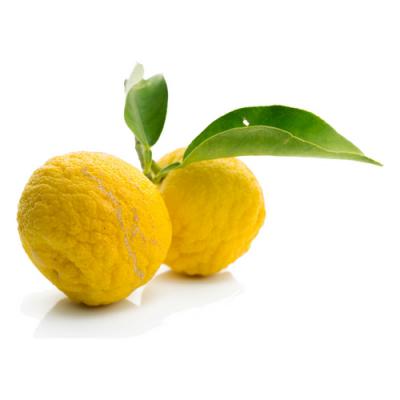
Bright Crystal by Versace employs a fresh, luminous fruitiness in which grape-adjacent muscat notes contribute to the fragrance's characteristic crystalline brightness alongside pomegranate and yuzu. The light, aqueous quality of the grape note matches perfectly with the fragrance's water-and-light aesthetic. Similarly, many compositions within the floral-fruity fragrance family use grape as a supporting note in multi-fruit accords where its juicy transparency prevents the composition from becoming too creamy or heavy.
In the masculine sector, grape appears in fresh, aquatic, and aromatic compositions where its clean, watery fruitiness adds a contemporary, Mediterranean quality. The note's association with the vine and with Mediterranean leisure culture makes it a natural fit for the kind of fresh, sophisticated masculine that dominates summer fragrance launches.
How Grape Interacts with Other Notes
Grape's transparency and slight tartness make it an excellent brightening agent in fragrance composition. With white florals, it adds freshness without sharpness — the grape note underneath jasmine or rose gives the floral a contemporary, slightly watery sparkle that reads as modern and clean. With blackcurrant, grape creates a rich, dark berry accord that bridges the fresh and the deep ends of the fruit spectrum.
Muscat grape has a particular affinity with rose, whose honeyed, geraniol-rich character mirrors the muscat's own geraniol content — the two create a natural harmony in compositions that want to suggest a garden at harvest time. With iris, grape provides a fresh, fruity contrast to the powdery-cool mineral quality of the iris, a combination that achieves an unusual elegance.
In the wine-inspired direction, grape interacts with vetiver, leather, and tobacco to create compositions of extraordinary sophistication — the fruit note providing a living, organic quality against the dry, aged character of these base materials. The combination of fresh grape with dark, smoky, or leathery base notes is one of perfumery's most interesting underexplored territories.
Wearing Grape Fragrances
Grape fragrances are most naturally at home in the warmer months, particularly late summer through autumn, when the harvest associations of the note feel seasonally appropriate. Fresh, light grape compositions make excellent daytime and casual wear in spring and summer, their watery transparency and gentle fruitiness appropriate for almost any setting.
More sophisticated vinous compositions — those that explore grape's wine-adjacent character — are better suited to autumn and winter evenings, where their complexity and the slight warmth of the fermented-fruit dimension feels comfortingly appropriate. The oriental family of fragrances contains several examples where grape's dark, concentrated facets are used within rich, warm, resinous compositions to great effect.
Final Thoughts
Grape in perfumery is a note that deserves far more serious attention than it typically receives. Its range — from fresh, effervescent fruitiness through muscat's heady floral complexity to the sophisticated, fermented depth of wine-inspired composition — makes it one of the more versatile fruit notes available to perfumers. As the fragrance world continues to explore less obvious aromatic territories, grape seems certain to play a more prominent role in the sophisticated compositions of the years ahead. For exploration of related fruit notes, see our guides to redcurrant and blackcurrant in perfumery.