

Hot Milk in Perfumery: The Comfort Note That Makes Fragrance Feel Like Home
Hot Milk is a modern, clean, low-lit signature: dry-bright on opening, evenly tuned through the heart, slow and quiet in the base.
By Julia Moretti 7 min read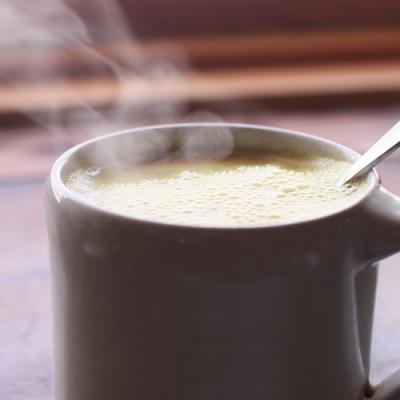
The Comfort of Smell: Why Hot Milk Works in Fragrance
There are certain smells that bypass intellectual appreciation entirely and go straight to something deeper — something primal and emotional, rooted in early memory and embodied experience. Hot milk is one of them. The smell of warm milk — gentle, faintly sweet, slightly animal, creamy and enveloping — is one of the first smells most human beings encounter, associated from infancy with warmth, safety, and nourishment. In fragrance, the hot milk note carries all of this emotional weight, making it one of the most quietly powerful comfort materials in the perfumer's toolkit.
Hot milk as a perfumery note is distinct from simple dairy sweetness or generic creaminess. It has a specific character: the warmth of gently heated fat, a slight caramelisation that comes from sugars transforming under heat, the faintly animal, skin-like quality of fresh dairy, and an enveloping softness that seems to reduce the distance between the fragrance and the wearer's body. It is intimate in the most literal sense — a smell that feels close, personal, and deeply human.
The Smell Profile of Hot Milk
Breaking down the hot milk note reveals a fascinating constellation of olfactory elements. At its core is a creamy, fatty sweetness — the smell of milk fat in its most elemental form. This is not the sharp dairy of soured milk or aged cheese; it is fresh, clean, and gently rich. On top of this creamy base sits a subtle sweetness that intensifies with the suggestion of heat — reminiscent of the thin skin that forms on the surface of warm milk, a smell both comforting and slightly complex.
There is also a faintly animal register to hot milk — a skin-like warmth that connects it to other intimate, body-adjacent notes in perfumery such as musk and skin scent. This quality makes hot milk feel distinctively human rather than purely culinary, placing it in a slightly different category from simply sweet or creamy notes like vanilla or condensed milk.
Finally, there is a faint cereal or grain quality to hot milk — reminiscent of porridge or warm grain — that gives it a gentle earthiness and prevents it from reading as purely confectionery. This is the quality that connects the hot milk note to broader themes of comfort and domesticity rather than simply sweetness.
The Molecules Behind the Note: Lactones and Beyond
The chemistry of the hot milk note in perfumery is dominated by a family of compounds called lactones. These cyclic esters are responsible for the creamy, fatty, and peachy qualities found in many natural and synthetic fragrance materials, and they are the primary tools perfumers use to build convincing milk and dairy impressions.
Delta-decalactone and delta-dodecalactone are among the most important lactones for dairy-type effects. These materials contribute a creamy, slightly fatty quality that forms the foundation of any milk accord. Gamma-decalactone, better known as the primary contributor to peach's peachy smell, also plays a role in milk accords — its warm, velvety fruitiness connects beautifully to the creamy richness of dairy.
Beyond lactones, the hot milk note relies on a range of other materials. Certain musks — particularly the skin-like, intimate musks such as Habanolide and Exaltolide — contribute the animal warmth and body-close quality that transforms a simple creamy sweetness into a genuine milk impression. Benzyl acetate and certain vanilla-adjacent materials contribute sweetness without the specific gourmand character of vanilla itself.
Some perfumers also use specific aldehydes to add the slight metallic-waxy quality associated with heated fat — a touch of warmth and complexity that makes the accord smell genuinely like heated dairy rather than simply sweet cream. The interplay of these materials, balanced with great care, produces the most convincing hot milk impressions in fine fragrance.
Hot Milk in the Context of Gourmand Perfumery
The hot milk note belongs firmly within the broader tradition of gourmand perfumery — the fragrance family defined by edible, food-adjacent notes such as vanilla, caramel, chocolate, and honey. This family came to prominence in the 1990s, largely through the revolutionary impact of Thierry Mugler's Angel (1992) and the wave of vanilla-forward fragrances that followed in its wake.
Within the gourmand category, hot milk occupies a particular niche: it is warmer and more intimate than fresh fruit notes, creamier and less sweet than pure vanilla, and more body-adjacent than most foodie accords. It belongs to the sub-category sometimes called "skin foods" — gourmand fragrances that evoke not so much a specific dish or dessert as the comforting, intimate smells of warmth, skin, and closeness.
This intimate, skin-close quality makes hot milk an effective ingredient in fragrance compositions designed to smell like a second skin — the kind of fragrance that, rather than projecting outward, seems to meld with the wearer's own warmth and become indistinguishable from body scent. Mugler Alien captures something of this quality in its warm, solar, skin-close amber note, while the creamy warmth of La Vie Est Belle by Lancôme demonstrates how lactonic creaminess can be used to create a sense of enveloping comfort in a mainstream fragrance.
Famous Fragrances That Use the Hot Milk Note
The hot milk note appears in numerous contemporary fragrances, often listed in the note pyramid simply as "milk" or "creamy" without the specific hot quality being called out. Its presence is felt in any fragrance where creaminess, warmth, and a skin-close intimacy are among the primary characteristics.
Serge Lutens' Louve is one of the most celebrated milk-forward fragrances in niche perfumery, using an almond-milk accord of extraordinary creaminess and warmth. Guerlain's Shalimar, the legendary oriental from 1925, contains lactonic elements in its base that contribute to the famously intimate, skin-like quality of its drydown. More recently, Narciso Rodriguez for Her and its many iterations have built their distinctive signature around a combination of musks and lactonic materials that creates an almost perfect impression of warm, clean skin.
In the oriental fragrance family, hot milk notes frequently appear as structural elements in warm, enveloping bases. Their creaminess and warmth complement the richness of vanilla, tonka bean, and labdanum, creating bases of extraordinary richness and depth. The Vanilla Delight fragrance in our collection demonstrates this lactonic-vanilla richness beautifully.
How Hot Milk Interacts With Other Notes
Hot milk's primary virtue in blending is its ability to soften, round, and warm everything around it. It is a peacemaker in the fragrance formula — a material that smooths rough edges, bridges contrasting elements, and creates a sense of coherence and comfort.
With florals, milk creates a beautifully nurturing combination. The creamy warmth of a milk note beneath a floral heart transforms the flowers from something that might read as cold or abstract into something deeply human and intimate. Rose and milk is a classic pairing in Eastern perfumery traditions, evoking the smell of milk and rose water that has been used in South Asian and Middle Eastern cultures for centuries. Jasmine and milk creates a similarly rich, slightly indulgent combination that feels both floral and intimate.
With sandalwood, hot milk creates one of perfumery's most harmonious combinations. The wood's creamy, slightly sweet quality and the milk's own creaminess reinforce each other, producing a warm, smooth base of great beauty. With musk, milk notes amplify the skin-like intimacy that good musks already possess, creating a second-skin effect of unusual depth and warmth.
The Psychology of Milk in Fragrance
The appeal of the hot milk note in perfumery is inseparable from its psychological resonances. Scent is the sense most directly linked to memory and emotion — olfactory signals bypass the thalamus and travel directly to the limbic system, the brain's emotional centre — and few smells carry more universal emotional associations than warm milk.
For most people, regardless of culture or background, warm milk is associated with comfort, safety, early childhood, and care. These are not intellectual associations; they are embodied memories, felt rather than thought. When a fragrance contains a convincing hot milk note, it activates these memories and associations directly, producing a comfort response that goes far beyond simple olfactory pleasure.
This is why hot milk fragrances so often provoke immediate, strong reactions. People who encounter them frequently describe feelings of being soothed, wrapped in warmth, or transported to a place of safety and ease. In an era when wellness and emotional wellbeing are among the primary drivers of fragrance purchase, the hot milk note has a particular cultural resonance that ensures its continued relevance.
Wearing Hot Milk: A Note for Intimacy and Comfort
Fragrances built around the hot milk note are fundamentally fragrances of intimacy. Their skin-close warmth and enveloping creaminess make them most effective when worn close to the skin — on pulse points where body heat activates and amplifies their warmth — rather than sprayed lavishly for projection.
These are evening fragrances, bedroom fragrances, cold-weather fragrances: compositions designed to be experienced up close rather than announced to a room. They excel in winter, when warmth and comfort are at a premium, and in quiet, intimate contexts where their gentleness reads as a sophistication rather than a limitation.
In a fragrance wardrobe, a hot milk-centred fragrance occupies the intimate, comforting end of the spectrum — the choice for days when you need to feel held rather than seen, soothed rather than energised. It is perfumery at its most human and most vulnerable, which is to say, at its most true.