
Sugar in Perfumery: The Sweet Note That Reshaped Modern Fragrance
Thierry Mugler released Angel in 1992 around a chocolate-praline-patchouli-sugar accord, and ethyl maltol gave perfumers the candy-floss tool that built the gourmand decade no critic predicted.
By Julia Moretti 7 min read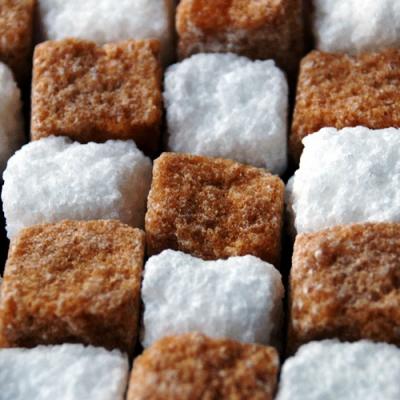
Sugar in Fragrance: When the Gourmand Revolution Changed Everything
There was a time — not so long ago in the grand arc of perfumery history — when the idea of a fragrance built around the smell of sugar would have been considered a category error. Perfume was flowers and resins, woods and spices, musks and citrus. It was not food. The boundary between the olfactory arts and the culinary arts was considered inviolable.
Then, in 1992, Thierry Mugler released Angel — and everything changed. Angel was built around an extraordinary central accord of chocolate, praline, patchouli, and sugar, creating a fragrance that smelled unmistakably of food. It was polarising in the extreme: many perfumers and critics dismissed it as a vulgarisation of the art, a capitulation to lowest-common-denominator sweetness. It became one of the best-selling fragrances in the world and spawned an entire genre. The gourmand had arrived, and sugar was its defining note.
Today, sugar — in its many fragrance forms — is one of the most widely used and commercially important notes in the entire industry. Understanding it means understanding how perfumery has changed in the last three decades and where it continues to evolve.
What Does Sugar Smell Like in Perfumery?
The question of what sugar smells like in a fragrance is more nuanced than it first appears, because sugar itself — refined sucrose — has almost no smell at room temperature. What perfumers are working with when they create a ‘sugar’ note is not the smell of raw sugar but rather the ensemble of smells associated with sugar's various transformations: caramelisation, candyfloss, toffee, praline, icing, and the warm sweetness of baked goods.
The primary tool for creating these effects is ethyl maltol, a synthetic aroma compound that smells intensely of candyfloss and spun sugar at high concentrations, and like a warm, sweet softness at lower concentrations. It is used in virtually every gourmand fragrance ever made, often at significant concentrations, and its development and commercialisation is one of the most important single events in the history of modern fragrance chemistry.
Beyond ethyl maltol, sugar notes in fragrance are built from a range of materials: various furanic compounds that provide caramelised, slightly burnt sugar facets; maltol itself, which is slightly less intense than its ethyl derivative; and various lactone compounds that give a warm, creamy-sweet character. The combination of these materials with more traditional fragrance ingredients — vanilla, tonka, benzoin, musks — creates the signature warm sweetness of the modern gourmand.
The Rise of the Gourmand: Sugar's Place in Fragrance History
Sugar's emergence as a legitimate fragrance note is inseparable from the history of the gourmand genre, which began with Angel and accelerated through the 1990s and 2000s into what became the dominant style of commercial feminine fragrance for at least two decades. The story is one of commercial success overcoming aesthetic resistance — the fragrance industry discovered that a significant proportion of the population found sweet, food-like smells deeply comforting and appealing, and adjusted accordingly.
From an art historical perspective, the gourmand can be seen as the logical extension of the oriental tradition: where orientals had always used sweet materials — vanilla, benzoin, amber — to create warmth and richness, the gourmand simply pushed this further, using explicitly food-associated materials to create what critics called ‘wearable desserts’. The aesthetic argument for the genre, and it is a genuine one, is that the comforting, emotionally resonant quality of food smells is a legitimate and under-exploited register of human experience, one that fragrance is uniquely positioned to engage with.
The commercial success of the gourmand genre over the past thirty years has been spectacular. Flowerbomb by Viktor & Rolf, launched in 2005, added floral and musk dimensions to the sweet base to create one of the most commercially successful feminine fragrances of the era. Black Opium by Yves Saint Laurent used coffee and vanilla to create a dark, sophisticated take on the gourmand that attracted a younger, more fashion-conscious audience.
Key Molecules: The Chemistry of Sweet
Ethyl maltol is the single most important synthetic ingredient in gourmand and sugar-note perfumery. It is an analogue of maltol (a naturally occurring compound found in roasted malt, chicory, and certain fruits), and its aroma is characterised as intensely sweet, fruity, and reminiscent of candyfloss or cotton candy at high concentrations, blending to a softer, warm sweetness at lower levels. Its exceptional odour intensity — it is detectable at concentrations as low as a few parts per million — means it can effectively sweeten an entire formula even at very small doses.
Alongside ethyl maltol, several other molecules contribute to the sugar palette. Furaneol (2,5-dimethyl-4-hydroxy-3[2H]-furanone) provides a warm, caramelised, slightly fruity-sweet character. Various lactone compounds — the same family used in fruit notes — contribute a creamy, dairy-sweet quality. And coumarin, a classical fragrance ingredient found naturally in tonka bean and sweet clover, provides the characteristic ‘new-mown hay’ sweetness that is often described as ‘powdery sugar’ in fragrance contexts.
The interaction between these sugar-related molecules and the broader palette of a fragrance is complex and fascinating. Ethyl maltol is particularly effective at rounding and softening harsh or synthetic-smelling ingredients, which is one reason it is used even in non-gourmand compositions as a background sweetener. It is, in a sense, the MSG of perfumery — an enhancer that makes everything around it taste (smell) better.
Sugar in Famous Fragrances
Thierry Mugler's Angel, the original, remains the defining reference point for sugar in perfumery — a fragrance so singular and so influential that it is impossible to discuss the note without beginning there. Its combination of ethyl maltol and patchouli created a new sensory paradigm, and thirty years later it is still among the best-selling fragrances in the world.
La Vie Est Belle by Lancôme presents sugar in a softer, more accessible context, using praline and iris alongside the sweet base to create a fragrance that is warm and comforting without the aggressive density of Angel. It has become one of the best-selling fragrances globally, a testament to the enduring appeal of well-handled sweetness.
Montale Vanilla Cake takes an overtly gourmand approach, embracing the sugar note with unabashed enthusiasm and creating a fragrance that is genuinely reminiscent of baked goods. For fans of the genre, this kind of explicit sweetness is exactly what they are looking for — a fragrance that does not apologise for its hedonism and delivers its pleasure directly and generously.
In more nuanced contexts, Baccarat Rouge 540 uses a subtle sugar-like sweetness as part of its central amber-jasmine accord, and it is partly this accessible sweetness — alongside the saffron and cedar — that has driven the fragrance's extraordinary commercial success.
Note Interactions: How Sugar Plays With Others
Sugar — or more precisely, the sweetening materials that create sugar notes in fragrance — is one of the most active and transformative ingredients in perfumery when it comes to note interactions. Its most important relationship is with vanilla, which is its natural partner and close olfactory relative. The two together create the classic gourmand sweetness — warm, smooth, and enveloping — that is the signature of the genre.
With tonka bean, sugar acquires a warm, slightly herbal, coumarinic dimension that elevates it from simple sweetness to something more sophisticated. The almond-vanilla-sugar triangle formed by tonka, vanilla, and ethyl maltol is one of the most effective and frequently used sweet accords in contemporary fragrance. With patchouli, sugar creates the defining gourmand contrast: the dark, earthy depth of patchouli against the bright sweetness of sugar, a combination that generates both warmth and complexity.
Sugar with floral notes — particularly rose, jasmine, and peony — creates the modern floral-gourmand genre: sweeter than traditional florals, more floral than pure gourmands, these compositions occupy the mainstream centre of contemporary feminine fragrance. And sugar with musk produces the warm, skin-like sweetness that is perhaps the most commercially successful combination in modern fragrance — a smell that is intimate, comforting, and universally appealing.
Sugar in the Fragrance Wardrobe
Sugar-forward fragrances are, by their nature, crowd-pleasing and easy to wear. They tend to project a sense of warmth and approachability, and they are generally received positively by people who are not particularly engaged with fragrance as an art form — which is, of course, one of the reasons they have been so commercially successful. For the fragrance enthusiast, however, the challenge is to find sugar-based compositions that offer genuine depth alongside their sweetness — fragrances in which the sugar serves the composition rather than defining it.
The best sugar fragrances for autumn and winter are the orientals and gourmands that use sweetness in the context of warmer, denser base materials. For spring and summer, the lighter floral-gourmands and sweet musks are more appropriate — their sweetness feels natural and uplifting in warm weather without becoming oppressive. The best-sellers at Fragrenza include many fragrances in which sugar plays a significant role, reflecting the note's enduring and global appeal.