Six Weeks With Xerjoff Felce Marina: How the Fragrenza Counterpart Captures the Mediterranean-Fougère-Marine Register
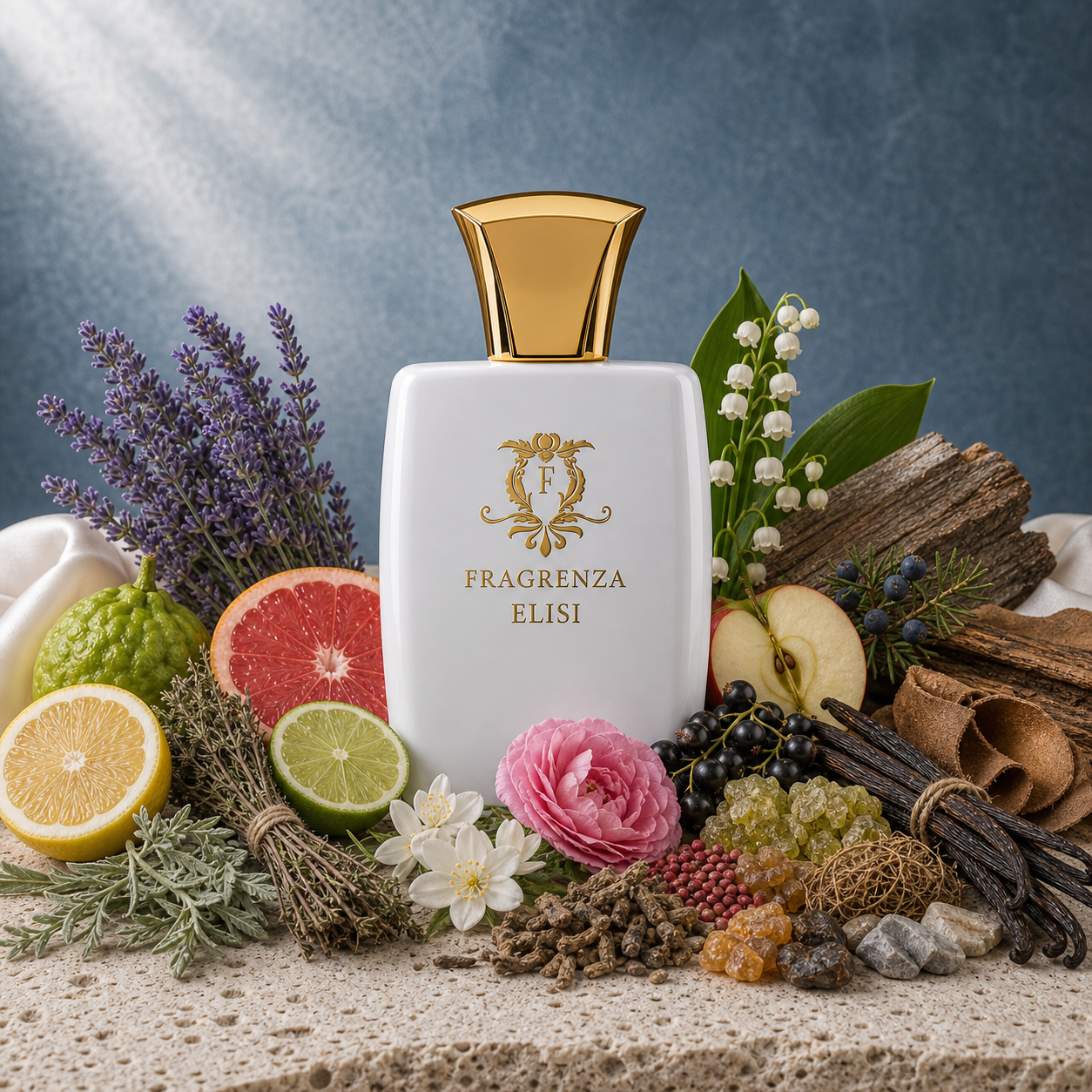
The official notes list reads: bergamot, marine accord at the top; lavender, geranium, fern in the heart; coumarin, vetiver, oakmoss, amber in the base.
By Julia MorettiFragrenza makes several of the alternatives featured in our guides — here’s how we test.
11 min read
The Short Answer
Xerjoff Felce Marina — six weeks of side-by-side wear. April 5th.
April 5th. Xerjoff Felce Marina occupies a specific position in the Xerjoff catalog — released as part of the Italian house's broader exploration of classical European fragrance traditions, the composition takes the fougère register (which has historically been a masculine-aromatic category built around lavender-coumarin-oakmoss-fern) and pushes it into specifically Mediterranean-coastal territory. The name itself ("Felce Marina" — Italian for "sea fern" or "marine fern") signals the conceptual direction: classical fougère architecture interpreted through coastal-Italian aesthetic. Most contemporary fougères either go traditional-classical (Penhaligon's English Fern, Houbigant Fougère Royale) or modern-aromatic without strong coastal context (Caron Pour Un Homme, various Diptyque). Felce Marina is unusual in committing seriously to the coastal-Italian-fougère intersection. The Fragrenza Felce Marina dupe arrived in mid-March and I committed to a six-week side-by-side test starting in late March.
Forty-two days, nineteen full-day wears, here's the report.
What Xerjoff Felce Marina Is Actually Doing
Released by Xerjoff and conceived under Sergio Momo's broader compositional direction for the house, Felce Marina arrived as the brand's serious engagement with the fougère tradition through a specifically Italian-coastal lens. The composition sits in a unique position in contemporary niche perfumery — most fougères avoid marine accords entirely (the marine-aquatic register has been associated with mass-market masculines like Acqua di Giò rather than with serious aromatic-fougère perfumery), and most marine-aquatic compositions avoid fougère structure (the marine genre typically uses much lighter aromatic-citrus structures than full fougère architecture allows).
The official notes list reads: bergamot, marine accord at the top; lavender, geranium, fern in the heart; coumarin, vetiver, oakmoss, amber in the base. The marine accord is the unusual top note — its presence alongside lavender-geranium-fern signals the coastal-Italian-fougère intersection that defines the composition. What you actually get on skin: a brief bright bergamot-marine opening that lasts about ten minutes, then a long heart phase where lavender, geranium, and fern build a classical-aromatic-fougère accord with the marine still subtly present, then a base where coumarin, vetiver, oakmoss, and amber hold for nine to eleven hours in a classical-fougère mode.
The defining characteristic is the marine-fougère bridge. The marine in Felce Marina isn't an aquatic-aggressive marine like Acqua di Giò's marine; it's a subtle marine that contributes coastal-atmospheric context without dominating the fougère architecture. The fougère elements (lavender, fern, coumarin, oakmoss) lead the composition through the heart and base; the marine provides the coastal-Italian context that distinguishes Felce Marina from traditional European fougères. This integration is unusual and gives the composition genuine compositional distinctiveness.
The composition also represents Xerjoff's broader project of creating Italian-rooted-classical-niche compositions. The Xerjoff catalog (covered separately for Naxos and Richwood) has consistently engaged with classical European fragrance traditions through a specifically Italian aesthetic lens; Felce Marina is the catalog's engagement with the fougère tradition specifically.
First Wear: The Fragrenza Felce Marina on a Cool March Morning
March 26th, 8:15am, sitting at the kitchen counter with coffee. Forty-nine degrees outside, indoor heat at 67°F. I sprayed