

-
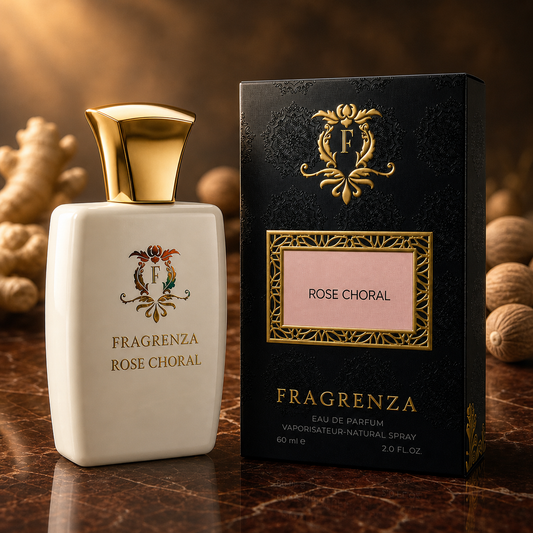
Rose Choral Rose ChoralVendor:Inspired by Amouage Lyric ManRegular price From $9.99Regular price
$360.00Sale price From $9.99Sale -
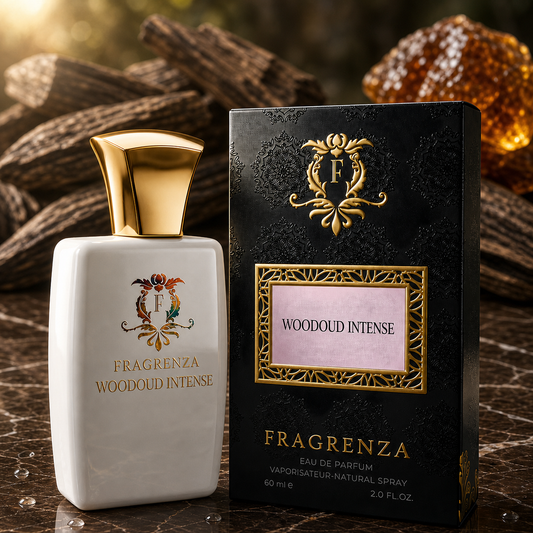
Woodoud Intense Woodoud IntenseVendor:Inspired by Tom Ford Oud Wood IntenseRegular price From $9.99Regular price
$270.00Sale price From $9.99Sold out


About Angelica Fragrances
Angelica is one of perfumery's most intriguing and underappreciated botanicals, derived from the roots and seeds of Angelica archangelica — a tall, architectural plant native to Northern and Central Europe. Revered in herbal medicine and culinary tradition alike, angelica has been used in perfumery since at least the Renaissance, lending a characteristic green, earthy, and slightly medicinal depth to compositions. Both the root and seed are used, producing subtly different olfactory profiles, though both share a distinctive mossy-green complexity.
Olfactorily, Angelica is green, earthy, and herbaceous with an almost celery-like quality at its core. The root tends toward deeper, earthier, slightly musky-green tones, while the seed is lighter, more pepper-like, and subtly spicy. Underlying both is a unique quality that is simultaneously fresh and ancient — cool and medicinal, yet strangely comforting. This complexity makes Angelica a note that rewards attention; it does not announce itself loudly but instead adds a quiet, sophisticated greenness that enriches whatever surrounds it.
In perfumery, Angelica appears in chypres, aromatic fougères, and green-woody compositions, often alongside orris, vetiver, and green notes to amplify its botanical depth. It has experienced a notable renaissance in artisan and niche perfumery as an alternative to more conventional green notes. At Fragrenza, we celebrate Angelica's distinctive character through refined fragrance dupes that capture the quiet sophistication of luxury green-herbal perfumes at an accessible price.
Other Collections
Amouage Fragrances

From this collection: Brandy Star Woman — Sunshine Woman by Amouage alternative
Explore our collection of amouage fragrances. Shop amouage perfumes and discover captivating scents.
Bergamot Fragrances

From this collection: Limone e Vaniglia — Lira by Xerjoff alternative
Explore our collection of bergamot fragrances. Shop bergamot perfumes and discover captivating scents.
Galbanum Fragrances

From this collection: Elisi — Elysium by Roja Parfums alternative
Explore our collection of galbanum fragrances. Shop galbanum perfumes and discover captivating scents.
Ginger Fragrances

From this collection: Mystical Noir — Noir pour Femme by Tom Ford alternative
Explore our collection of ginger fragrances. Shop ginger perfumes and discover captivating scents.
Olibanum (Frankincense) Fragrances

From this collection: Adesso
Explore our collection of olibanum (frankincense) fragrances. Shop olibanum (frankincense) perfumes and discover captivating scents.
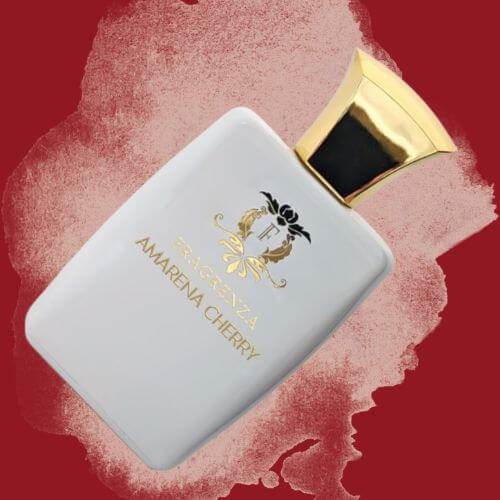
Amarena Cherry
Obsessed with cherry? If you want to really amp up the cherry scent, this Tom Ford Lost Cherry dupe will give Lost Cherry a run for its money. Black cherry, cherry syrup, and cherry liqueur all mingle together for an indulgent cherry overdose that’s complemented by notes of almond, tonka bean, Turkish rose, and jasmine sambac.
Greens, Herbs And Fougeres
Archangelica officinalis
-
Our best sellers.
-
Adeline PDM Delina dupe Better Peach Tom Ford Bitter Peach dupe Chloris Gardenia Gucci Flora Gorgeous Gardenia dupe Fearless Love Kilian's Love, Don't Be Shy dupe Selvaggio Dior's Sauvage dupe Addict Noir YSL's Black Opium dupe Empress D&G's L'Imperatrice dupe Divino Bleu de Chanel dupe Lo amo J’Adore Dior dupe Pretty Girl Carolina Herrera's Good Girl dupe
-
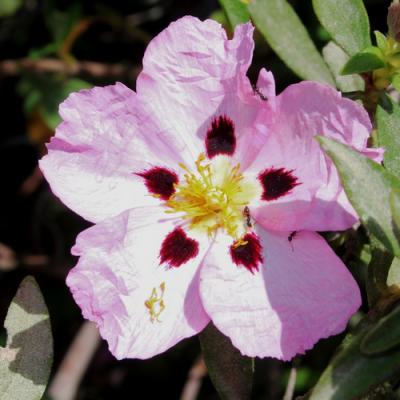
What Does Labdanum Smell Like?
Discover labdanum in perfumery — its warm, animalic, balsamic scent, history from ancient Mediterranean ritual to modern ambers, and its role in iconic fragrances.
-

What Does Patchouli Smell Like?
Patchouli smells like rich, dark earth — wet woods, chocolate, and aged leather. What it really smells like, why it’s linked to weed, and how to wear it.
-
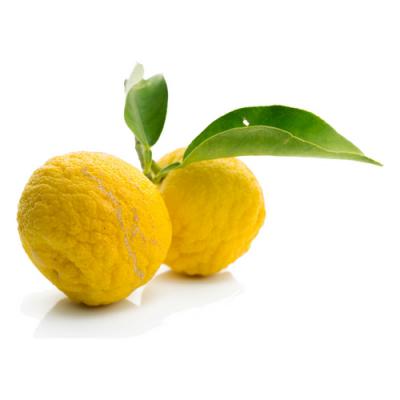
What Does Yuzu Smell Like?
What does yuzu smell like in perfumery? Explore this Japanese citrus note — its tart, floral-citrus scent, key aroma compounds, and how it elevates contemporary fragrance design.
-

What Does Amber Smell Like?
Discover what amber truly smells like in perfumery — from rare ambergris washed ashore to modern synthetics — and why it makes every fragrance warmer.

