


-
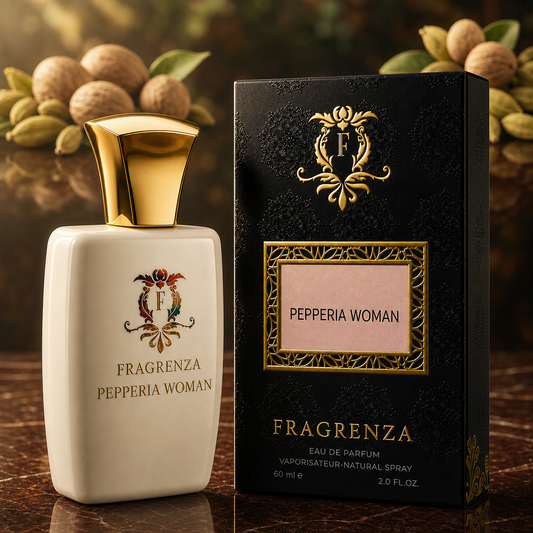
Pepperia Woman Pepperia WomanVendor:Inspired by Amouage Journey WomanRegular price From $9.99Regular price
$360.00Sale price From $9.99Sale -
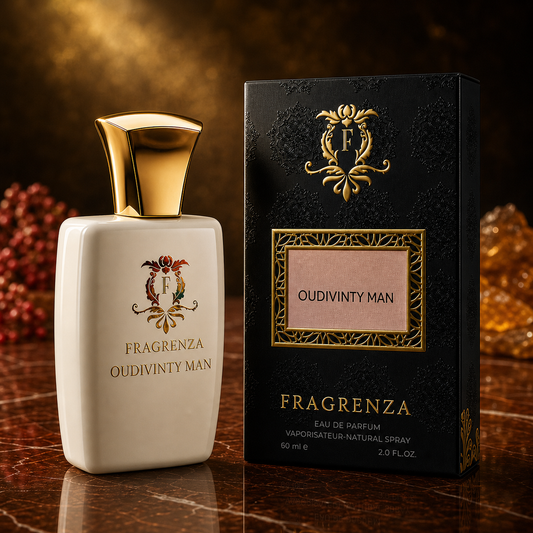
Oudivinty Man Oudivinty ManVendor:Inspired by Amouage Epic ManRegular price From $9.99Regular price
$360.00Sale price From $9.99Sale -

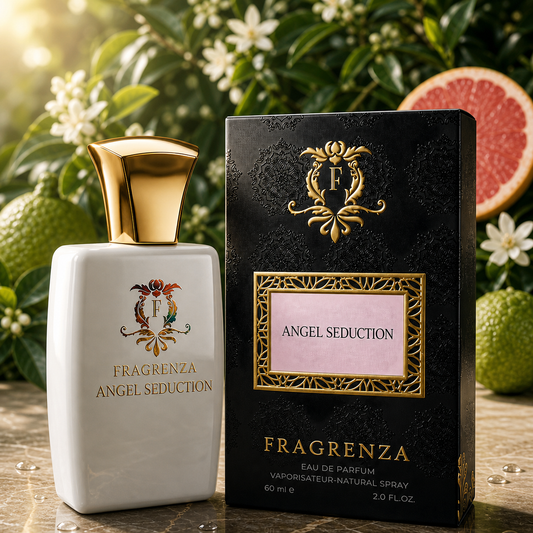 Sold outAngel Seduction Angel SeductionVendor:Inspired by Xerjoff MefistoRegular price From $9.99Regular price
$305.00Sale price From $9.99Sold out -
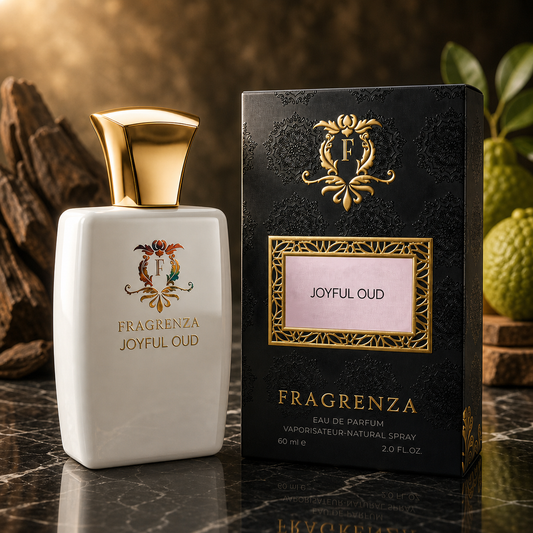
Joyful Oud Joyful OudVendor:Inspired by Initio Parfums Oud for HappinessRegular price From $9.99Regular price
$385.00Sale price From $9.99Sale -
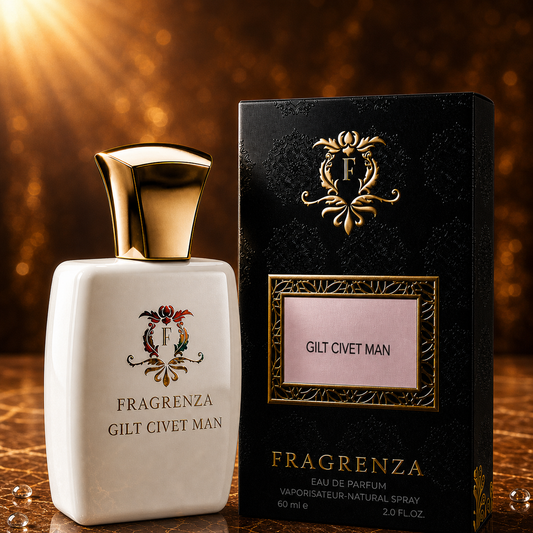
Gilt Civet Man Gilt Civet ManVendor:Inspired by Amouage Gold ManRegular price From $9.99Regular price
$360.00Sale price From $9.99Sale -
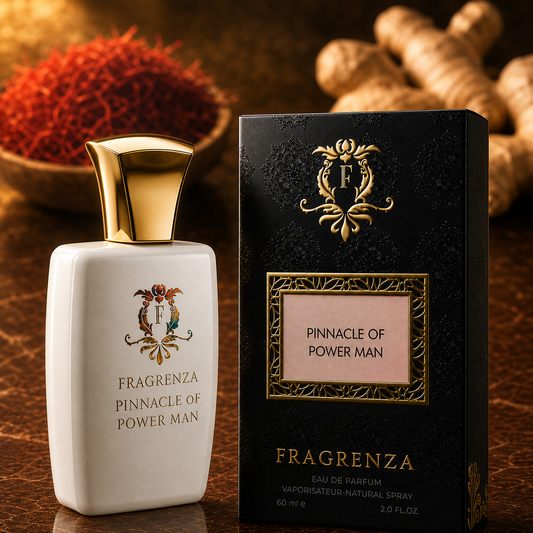
Pinnacle of Power Man Pinnacle of Power ManVendor:Inspired by Amouage Fate ManRegular price From $9.99Regular price
$360.00Sale price From $9.99Sale -
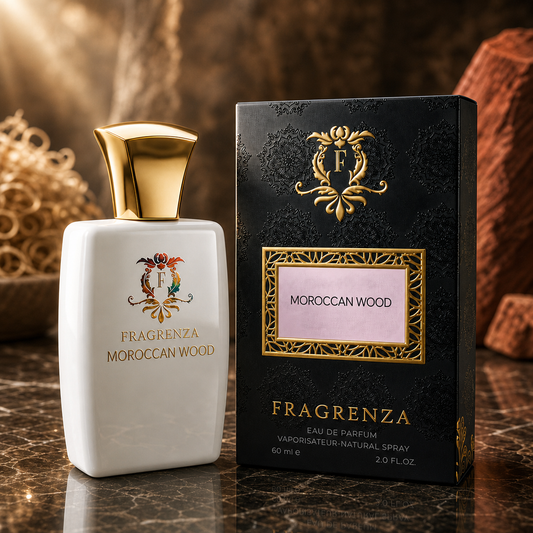
Moroccan Wood Moroccan WoodVendor:Inspired by Tom Ford Bois MarocainRegular price From $9.99Regular price
$350.00Sale price From $9.99Sale -
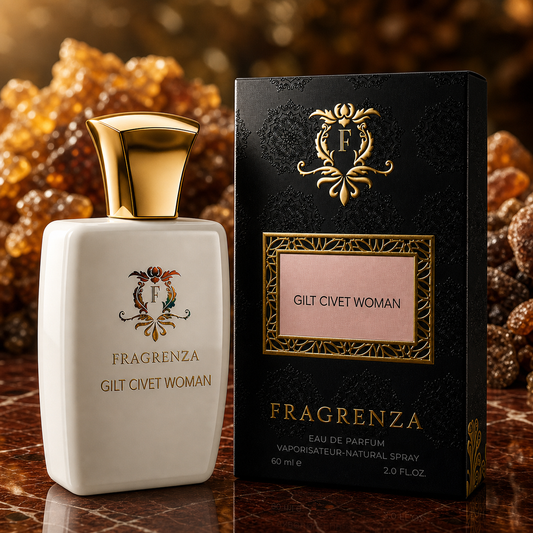
Gilt Civet Woman Gilt Civet WomanVendor:Inspired by Amouage Gold WomanRegular price From $9.99Regular price
$360.00Sale price From $9.99Sale -
Prima Vista Prima VistaVendor:Inspired by Parfums de Marly GodolphinRegular price From $9.99Regular price
$250.00Sale price From $9.99Sale -
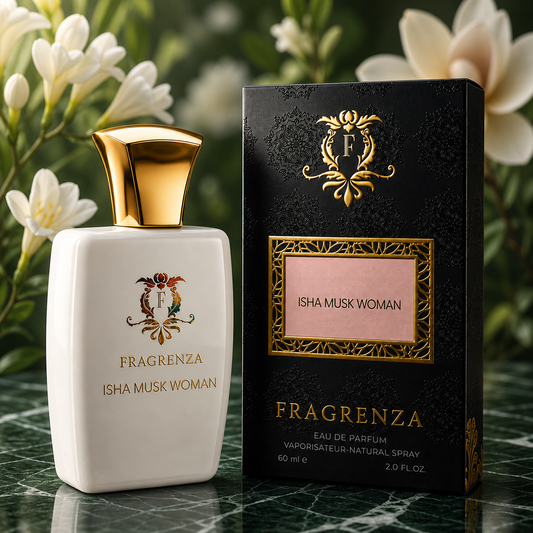
Isha Musk Woman Isha Musk WomanVendor:Inspired by Amouage Reflection WomanRegular price From $9.99Regular price
$360.00Sale price From $9.99Sale -
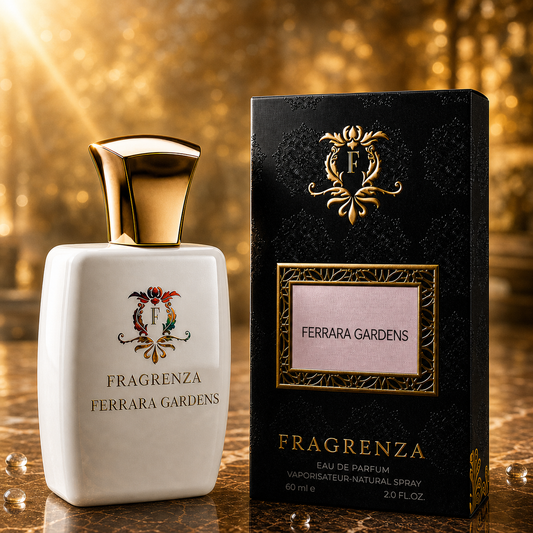
Ferrara Gardens Ferrara GardensVendor:Inspired by Clive Christian L for MenRegular price From $9.99Regular price
$375.00Sale price From $9.99Sale -
Pepper X Man Pepper X ManVendor:Inspired by Amouage Honour ManRegular price From $9.99Regular price
$360.00Sale price From $9.99Sale -
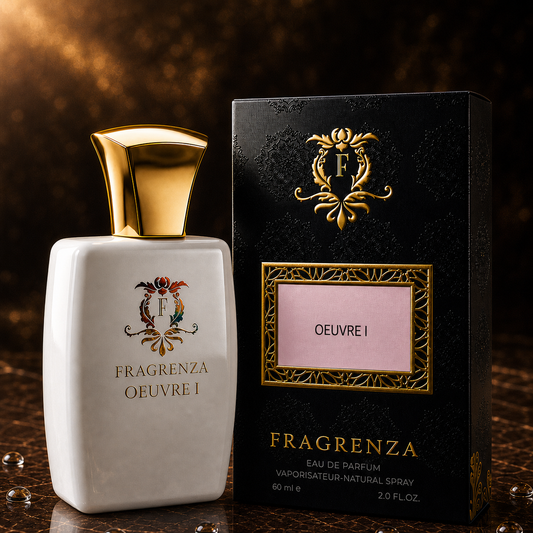
Oeuvre I Oeuvre IVendor:Inspired by Amouage Opus IRegular price From $9.99Regular price
$360.00Sale price From $9.99Sale -
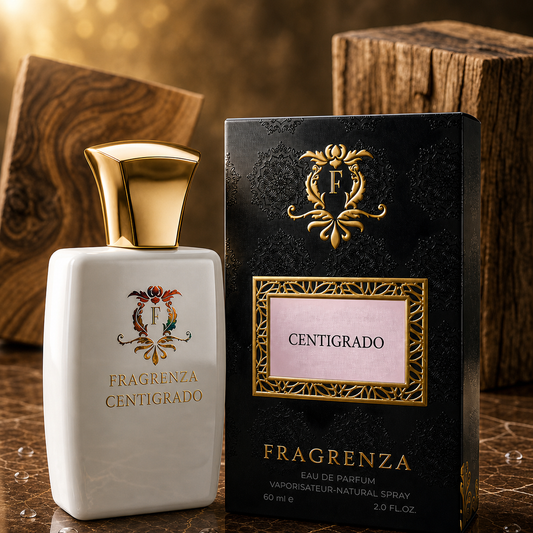
Centigrado CentigradoVendor:Inspired by Dior FahrenheitRegular price From $9.99Regular price
$104.00Sale price From $9.99Sale















About Atlas Cedar Fragrances
Atlas cedar — Cedrus atlantica — grows in the rugged mountain ranges of Morocco and Algeria, where it has been harvested for centuries for its beautifully aromatic wood. The essential oil derived from this majestic conifer is one of perfumery's most enduring and beloved base notes, prized for its dry, woody character with subtle resinous and balsamic facets. Unlike the creamy sweetness of Texas cedarwood or the camphoraceous notes of Virginia cedar, Atlas cedar has a distinctly mineral, almost cool quality — like fresh sawdust and pencil shavings warmed by North African sun.
In perfumery, Atlas cedar functions primarily as a fixative and base note, lending structure, depth, and longevity to compositions. Its dry, slightly powdery character makes it exceptionally versatile — it grounds floral bouquets without overpowering them, adds earthy dimension to citrus-forward fragrances, and provides a sturdy backbone for oriental and chypre compositions. The smoky, resinous facets of Atlas cedar pair particularly well with labdanum, vetiver, and musks, creating that classic "woody" signature so beloved in luxury perfumery.
The oil is obtained by steam distillation of the wood chips and sawdust, yielding a rich, viscous liquid that is itself a hallmark of quality. Atlas cedar is a central ingredient in countless iconic fragrances — its presence often signals a sophisticated, well-crafted composition. At Fragrenza, our Atlas cedar-inspired fragrances celebrate this magnificent Moroccan ingredient, delivering the dry, elegant woody character of these mountain conifers in formulas that are both refined and remarkably accessible.
Other Collections
Amouage Fragrances

From this collection: Brandy Star Woman — Sunshine Woman by Amouage alternative
Explore our collection of amouage fragrances. Shop amouage perfumes and discover captivating scents.
Apricot Fragrances

From this collection: Hypnotic Amour — Hypnotic Poison by Dior alternative
Explore our collection of apricot fragrances. Shop apricot perfumes and discover captivating scents.
Cardamom Fragrances

From this collection: Better Peach — Bitter Peach by Tom Ford alternative
Explore our collection of cardamom fragrances. Shop cardamom perfumes and discover captivating scents.
Cedarwood Fragrances

From this collection: Amarena Cherry — Lost Cherry by Tom Ford alternative
Explore our collection of cedarwood fragrances. Shop cedarwood perfumes and discover captivating scents.
Honey Fragrances

From this collection: Ojen — Oajan by Parfums de Marly alternative
Explore our collection of honey fragrances. Shop honey perfumes and discover captivating scents.
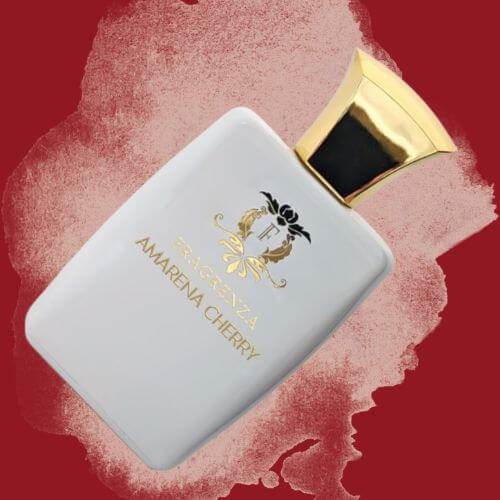
Amarena Cherry
Obsessed with cherry? If you want to really amp up the cherry scent, this Tom Ford Lost Cherry dupe will give Lost Cherry a run for its money. Black cherry, cherry syrup, and cherry liqueur all mingle together for an indulgent cherry overdose that’s complemented by notes of almond, tonka bean, Turkish rose, and jasmine sambac.
-
Our best sellers.
-
Adeline PDM Delina dupe Better Peach Tom Ford Bitter Peach dupe Chloris Gardenia Gucci Flora Gorgeous Gardenia dupe Fearless Love Kilian's Love, Don't Be Shy dupe Selvaggio Dior's Sauvage dupe Addict Noir YSL's Black Opium dupe Empress D&G's L'Imperatrice dupe Divino Bleu de Chanel dupe Lo amo J’Adore Dior dupe Pretty Girl Carolina Herrera's Good Girl dupe
-
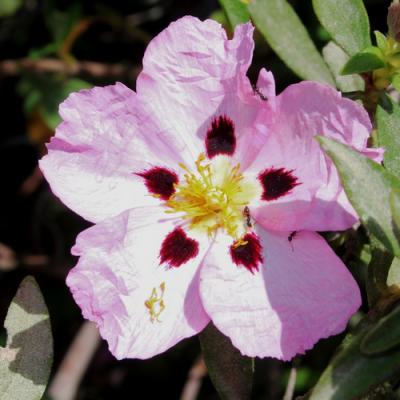
What Does Labdanum Smell Like?
Discover labdanum in perfumery — its warm, animalic, balsamic scent, history from ancient Mediterranean ritual to modern ambers, and its role in iconic fragrances.
-

What Does Patchouli Smell Like?
Patchouli smells like rich, dark earth — wet woods, chocolate, and aged leather. What it really smells like, why it’s linked to weed, and how to wear it.
-
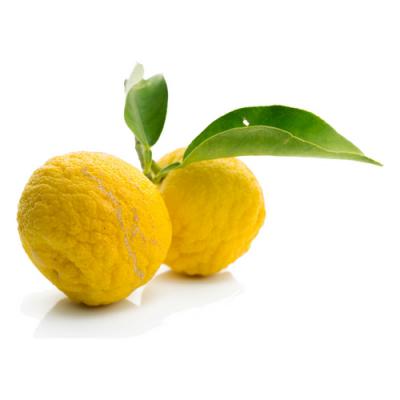
What Does Yuzu Smell Like?
What does yuzu smell like in perfumery? Explore this Japanese citrus note — its tart, floral-citrus scent, key aroma compounds, and how it elevates contemporary fragrance design.
-

What Does Amber Smell Like?
Discover what amber truly smells like in perfumery — from rare ambergris washed ashore to modern synthetics — and why it makes every fragrance warmer.

